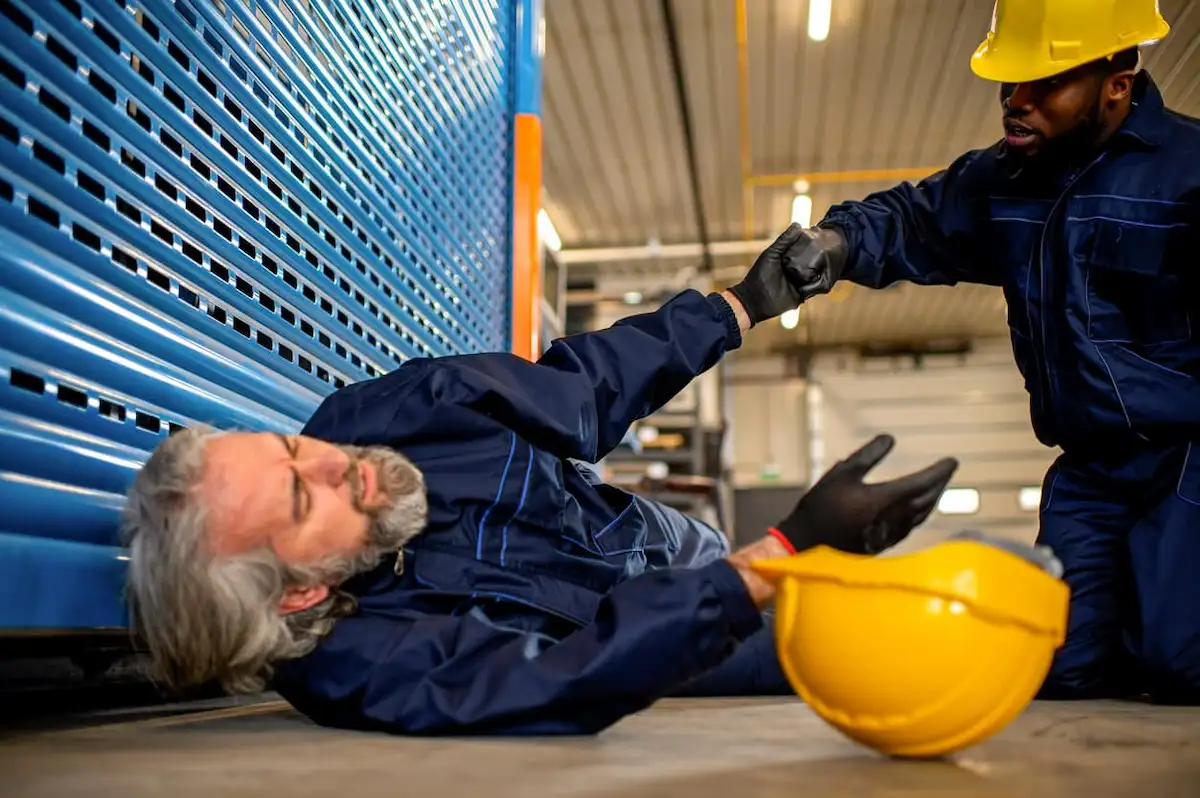
Workplace accidents can happen unexpectedly, and when they occur during the course of employment, employers are generally required to compensate injured employees under the Employees’ Compensation Act, 1923.
This is why many business owners purchase an employee compensation policy to save themselves from financial and legal liabilities. However, employees often wonder about their legal rights when workplace accidents occur outside working hours.
In this guide, we will understand the employee’s right to labour insurance compensation for injuries outside standard work hours.
Covered Injuries Outside Standard Work Hours Under Labour Insurance Policy
The labour insurance policy generally compensates for workplace accidents and injuries that happen while doing the job. While most claims arise during regular working hours, there are certain situations where injuries sustained outside standard work hours may also be covered.
Overtime or Emergency Work
In certain cases, when employers need to meet a deadline, they ask employees to work overtime or do emergency work. If, while doing their job, an employee or worker sustains an injury or is involved in an accident, that is covered under the labour insurance policy.
Work Commutes
Another scenario eligible for labour insurance policy compensation is commuting to and from work. However, to be eligible for compensation, the employee must establish that the commute was directly related to their employment.
Off-Site Events & Training
Often, employees attend work training and events in various cities and locations. If an accident or injury happens during such commutes, then it is covered under the workmen’s compensation policy.
When Employers are Not Liable to Pay Labour Insurance Policy Compensation?
There are certain scenarios in which the employer is not liable to provide compensation under the labour insurance policy.
Personal Activities
If an employee is injured while performing personal activities, such as non-work or recreational errands, the situation is not covered under the workmen’s compensation policy.
Willful Disobedience
Any workplace accident or incident that occurs due to the employee’s negligence or disobedience is not covered under the plan. For instance, an employee not wearing safety gear or not following the safety protocols.
Self-Inflicted Harm
Injuries that are intentionally self-inflicted are generally excluded from coverage under a labour insurance policy. Since these injuries do not arise out of the normal course of employment, the insurer is not liable to pay compensation.
Intoxication
Suppose an employee suffers an injury while under the influence of alcohol, narcotic drugs, or other intoxicating substances; the claim may be denied.
Intoxication can impair judgment and increase the risk of accidents, making it a common exclusion under labour insurance policies.
Compensation for Accidents and Injuries Under Labour Insurance Policy
Employees who suffer injuries while doing the job are entitled to compensation. Here is the coverage employees will get under the plan.
- Medical Expenses: The labour insurance policy will cover injured employees’ medical expenses, such as hospitalisation costs and medicines.
- Disability Benefits: If the employee suffers a permanent or temporary disability due to an accident, the employee will receive compensation based on the disability’s severity.
- Death Benefit: If, in rare cases, an employee dies while doing their workplace duties, the deceased employee’s family member will receive the compensation amount.
Final Thought
Understanding an employee’s legal rights is essential when filing a claim under an employee compensation policy. It will help you know which scenarios are covered by the plan and which are not.
Choosing a comprehensive labour insurance policy from a trusted insurer like TATA AIG can help businesses meet their legal obligations while ensuring financial protection for employees in the event of a workplace accident.
Also read: 5 Common Injuries That Fall Under Workers Comp in Arizona