

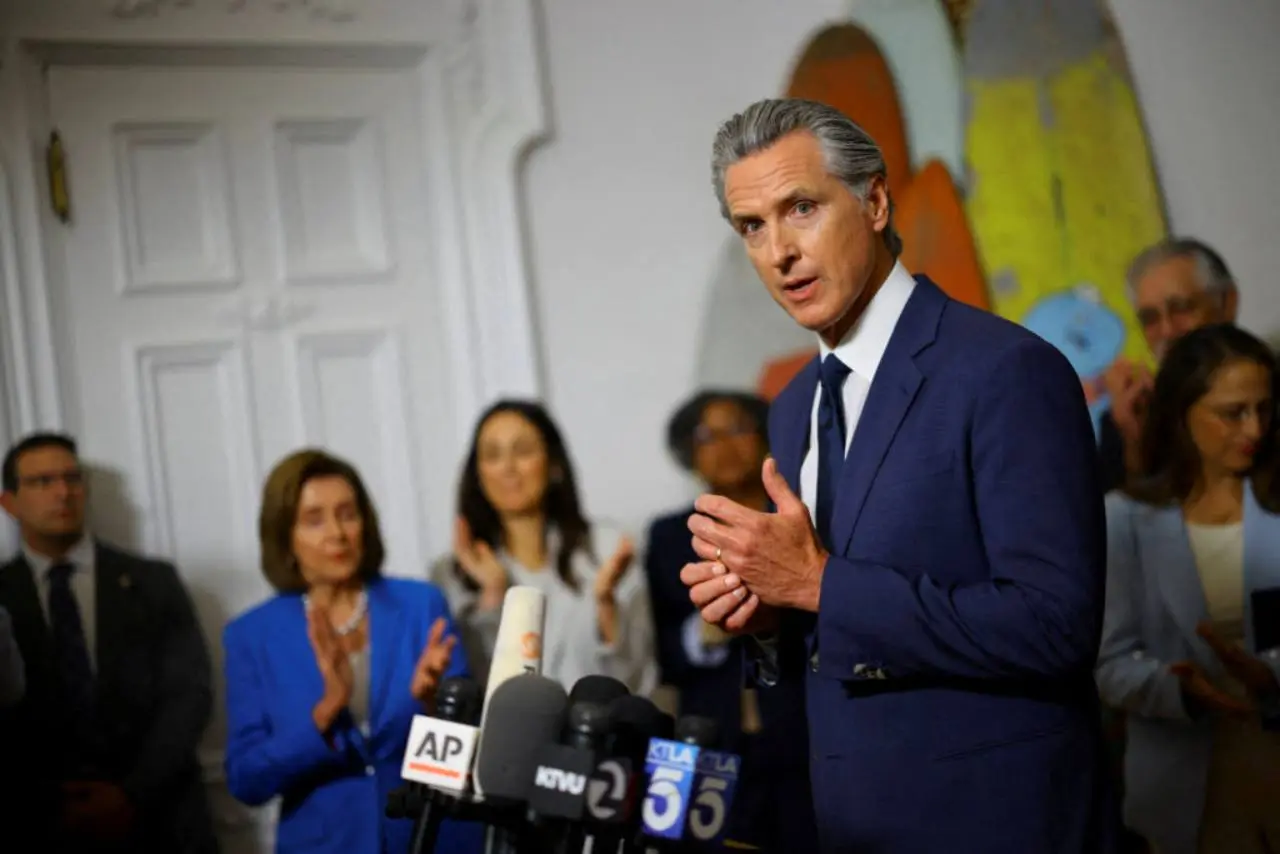
In the ever-intensifying struggle over the shape of the United States Congress, California is gearing up to challenge Texas’s Republican-led effort to redraw congressional maps in their favour before the 2026 elections. Governor Gavin Newsom has emerged as a key figure in this fight, signalling a robust strategy aimed at neutralizing the political advantage Texas seeks to secure through aggressive redistricting.
Protecting Democracy Through Strategic Redistricting
Texas Republicans, backed by former President Donald Trump, are pushing to redraw congressional boundaries to expand their slim-majority hold in the House of Representatives as the 2026 midterms approach. This move could net the GOP five additional seats, tipping the balance further in their favour. In reaction, Gov. Newsom has threatened a bold countermeasure: California would redraw its own congressional districts to protect Democratic seats and offset any gains made by Republicans in Texas.
California operates with an independent Citizens Redistricting Commission designed to keep partisan bias in check. However, faced with what Democrats see as blatant partisan gerrymandering in Texas, Newsom aims to temporarily bypass this system. He is working with the state legislature on a plan that would allow a mid-decade redistricting initiative to appear on the November ballot, contingent on Texas moving forward with its Republican-friendly map. Should voters approve, a new map focused on protecting Democratic representation would take effect for the 2026 elections, with the independent commission resuming its role after 2030.
Newsom’s approach is a direct response to what he frames as Republican attempts to undermine fair democratic processes. His administration is positioning this strategy as a form of political self-defence, emphasizing that California cannot stand by while other states manipulate district lines to benefit one party. This move has stirred significant debate within California, particularly as it would mark a temporary return of line-drawing power to lawmakers rather than the independent commission.
A National Redistricting Contest in the Making
The California-Texas standoff is not isolated. Other key Democratic states such as New York and Illinois are also exploring ways to respond to Republican redistricting tactics. New York’s Governor Kathy Hochul has expressed readiness to explore all options, including a possible constitutional amendment that would allow mid-decade map changes if triggered by similar moves in other states. Illinois is considering its own redistricting adjustments given the Democratic majority in its legislature. Meanwhile, Texas Democrats have resorted to extraordinary measures, including leaving the state to block quorum and thwart the proposed Republican maps.
Texas Governor Greg Abbott remains unfazed, asserting Texas has more capacity to neutralize Democratic efforts. Yet, experts warn that this fiery political contest risks destabilizing not only state politics but also voter trust nationwide. Despite legal complexities and political resistance, important voices within the Democratic Party argue that failing to respond to aggressive Republican gerrymandering tactics could leave Democrats at a significant disadvantage for years.
Toward a More Transparent and Fair Reality
Newsom and his allies vow transparency throughout the redistricting process, promising public engagement and information sharing to maintain voter confidence. The governor contends that this initiative is defensive rather than offensive, aimed solely at preserving democratic balance in California and counteracting what they view as Republican power grabs elsewhere. California’s voters will have the final say, and the fight underscores the larger battle over how American democracy is defined and protected in an era where political map drawing increasingly determines electoral outcomes.
This redistricting struggle, while complex and contentious, spotlights the ongoing challenge of balancing fair representation and political power in the US electoral system. California’s efforts may set important precedents for how states protect their political futures amid escalating partisan conflicts that resonate far beyond their borders.
Also read: Geoff Duncan’s Leap: Why a Former Georgia Republican Leader Became a Democrat


