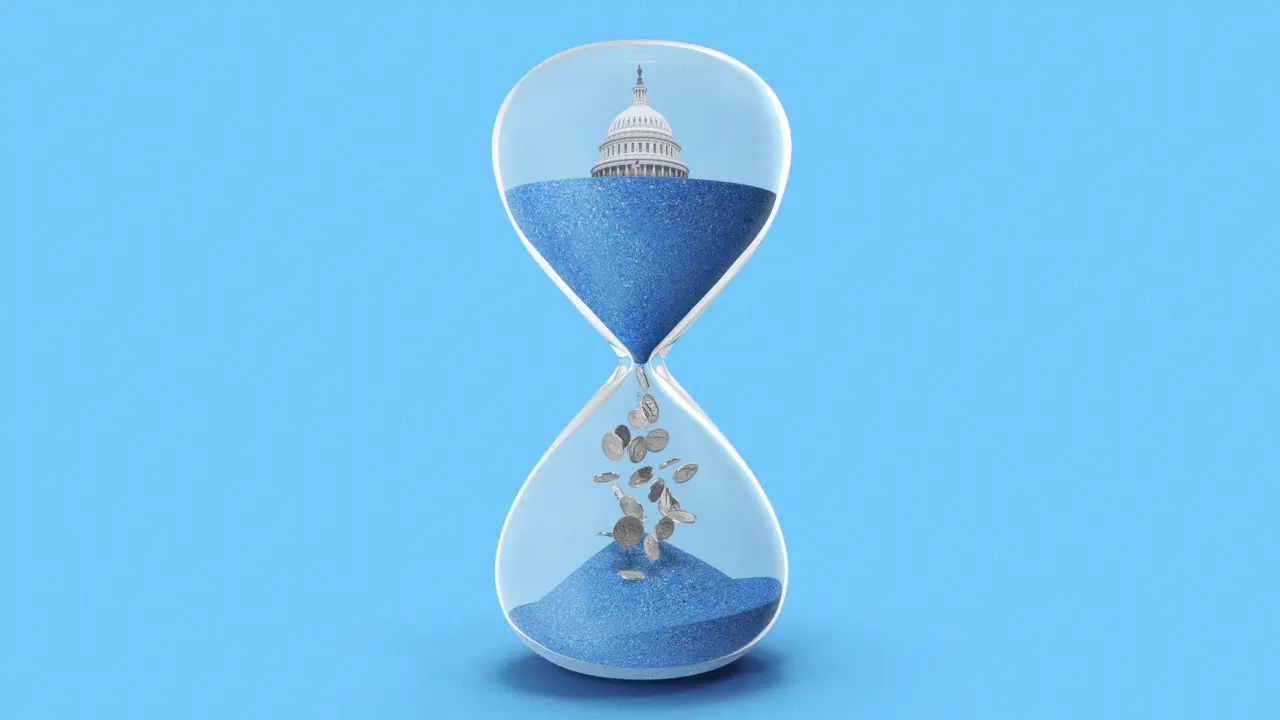
The Office of Management and Budget shocked Congress by announcing the rescission of key funds for foreign assistance and State Department programs. The manoeuvre, called a “pocket rescission,” cancels funding late in the fiscal year so that lawmakers scarcely have time to respond before the money is gone. Top Democrats, including Senate Minority Leader Chuck Schumer, have denounced it as “illegal,” directly linking the move to a looming government shutdown and accusing President Trump of “stealing” Congress’s power to allocate taxpayer money. Republican Senator Susan Collins joined in the criticism, stating that rescinding appropriated funds without congressional approval violates established law, a sentiment echoed by the bipartisan chorus of lawmakers. Traditionally, the Impoundment Control Act grants a president limited authority to propose budget cuts, but a pocket rescission attempts to bypass normal procedures. The last time this tactic was used was in 1977, making this year’s effort not just controversial but historically significant.
Shutdown Risk and Ripple Effects on Foreign Aid
The timing of Trump’s rescission coincides with the expiration of government funding on September 30. Democrats warn that reversing already approved funding could derail budget negotiations and raise the spectre of a federal shutdown affecting hundreds of thousands of federal workers and critical services like food inspections and public parks. The cuts target billions earmarked for the United States Agency for International Development (USAID), peacekeeping operations, and international support for health and democracy programs. If Congress doesn’t act swiftly, these rescissions become final, imperilling global health initiatives, democracy promotion and humanitarian aid, areas where the US has historically played a leading role. Critics argue the strategy undermines America’s credibility and moral responsibility, pointing to past bipartisan support for foreign assistance as a tool that promotes stability and national security.
The broader battleground includes the larger Rescissions Act of 2025, which slashed nearly $9 billion from international programs and public media. The partisan rancour over President Trump’s fiscal tactics threatens the Capitol’s tradition of bipartisan dealmaking for government funding, creating new uncertainty for federal employees, agencies, and vulnerable communities at home and around the world. As both sides take their message to social media and their official channels, these budget battles are no longer just about numbers—they’re about America’s leadership and values.
Read also: A Tale of Two Jurists: Cultivating Courage in the Courts