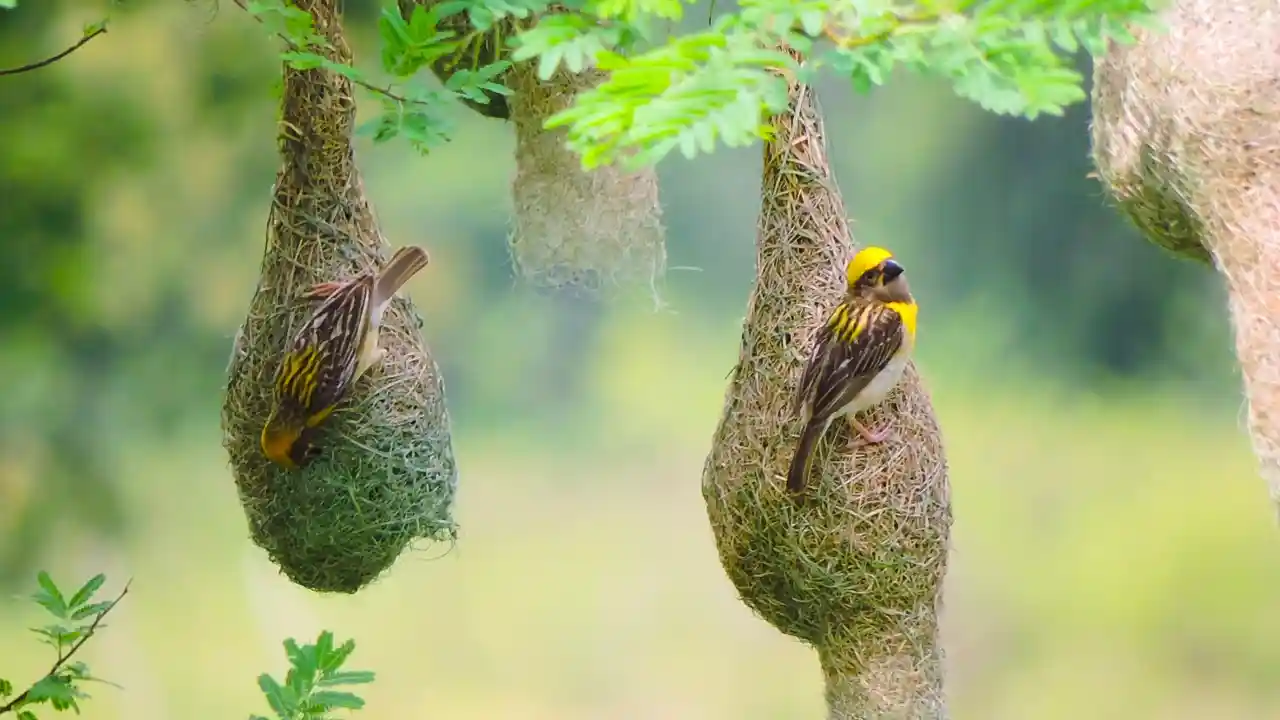
Starting with some birds might be fun, but when it comes to building houses for those birds, there are myths that certainly abound. Whether you plan to start with a backyard flock of hens, small songbirds, or pigeons, a newcomer can be easily misled by myths. A poorly constructed shelter can leave your birds unhealthy and unhappy, while a well-planned shelter provides the conditions for your birds to thrive. We’ll dispel some of the best-known myths, so your birds have a shelter that is safe, comfortable, and functional.
Myth 1: A Bird Shelter Is the Same as a Chicken Coop
Many beginners confuse general bird shelters with a chicken coop. While they share similarities, a coop is designed specifically for chickens, with nesting boxes, roosting bars, and predator-proofing features unique to poultry care.
For other birds, such as songbirds or doves, shelters look very different. They may be simpler and smaller, with design elements that cater to nesting and flight. Understanding this distinction helps ensure you build the right kind of housing. When you plan for poultry, a chicken coop works wonderfully, but for smaller birds, tailored shelters are key.
Myth 2: Bird Shelters Must Be Huge to Be Effective
People often think that bigger is better. Although large spaces can have benefits, birds do not require excessively large shelters. Birds prefer a space that is appropriately sized, allowing for comfort and the efficiency of movement.
An ideal shelter would provide enough space for movement while providing a snug enough space to help them feel secure! Large spaces can provide a challenge for temperature and can create excessive drafts. Choose proportion and logical design over size. In many cases, a smaller, efficient space can reduce stress and is often easier for owners to take care of and manage.
Myth 3: Any Material Will Do
It’s easy to think that anything left over from other projects, if there is any, would work, but the materials you choose can have ramifications for the health of your birds. If you choose those with toxic or poor-quality materials, you may accidentally expose your birds to toxic chemicals or splinters that could lead to illness or injury.
Ultimately, you should select untreated wood, durable wire mesh, or weatherproof materials that are safe or will last for some time. The right building decisions won’t just ensure your birds’ health; they will also mean less maintenance down the road. The time it takes to make sure you are using safe materials will mean your shelter will weather and wear well with the abuse of time and the elements.
Myth 4: Ventilation Isn’t Important
It is common to make the mistake of thinking that shelters should be airtight to aid in keeping birds warm. The opposite is true. Having good ventilation is important to ensure there is no dampness, to avoid odor, and to provide fresh air. A shelter without adequate ventilation can contribute to respiratory issues down the line for the birds or create stress.
Vents should be installed above the perch height level to allow for air to flow into the bird habitat. The ventilation will allow air to flow without having a breeze. This is a simple but important feature in a healthy bird habitat. As a bird aficionado, it is important to remember that fresh air is as important as warmth… it is all about balance!
Myth 5: All Birds Have the Same Needs
Not all birds that fly need the same type of shelter. In the case of chickens, they require nesting boxes and roosts. In the case of songbirds, they may need a small cage with holes for entry. Pigeons, by contrast, need roosts and are free to fly in the open air.
Researching the species that you are planning to contain will help ensure your design allows for the natural behaviors of the shelter. Customizing a shelter to fit the individual needs of your birds will no doubt result in happier and healthier animals. This is something that is often overlooked by beginners and can be an important step to consider in ensuring the shelter is useful instead of creating undue stress for the birds.
Myth 6: A Shelter Alone Provides Safety
Creating a shelter is only part of protecting your birds. Predators like raccoons, snakes, or hawks can be a hazard if the shelter is not built securely. If your door latch is weak, or you are using mesh that’s thin, it may be an easy mark.
Strong locks, solid mesh, or appropriate fencing can deter undesirable intruders. Building a shelter is not adequate. True protection encompasses more than walls and a roof for your birds; it takes a protection-oriented design. Thinking like a predator when examining your design can reveal vulnerabilities worth avoiding, accounting for, or strengthening with costs less than losses.
Building a bird shelter doesn’t have to be complicated, but it does require separating myths from facts. The right size, safe materials, proper ventilation, species-specific design, and ongoing care all contribute to a thriving environment for your birds. By focusing on practicality rather than misconceptions, you can create a safe, healthy, and cost-effective shelter that truly meets your birds’ needs. Whether you’re just starting out or improving an existing structure, understanding these myths will guide you toward building a space where your birds can flourish.
Read also: Uniting Art and Animal Welfare: How Photo Exhibits Inspire Pet Rescue