Walk into a café today, and you will notice that the chairs, tables, and overall furniture are not simply background elements. They define the mood, shape the atmosphere, and create the stage for café culture. For many customers, the design of a space is just as important as the drinks and pastries being served. Surveys reveal that nearly 70 percent of people pay close attention to furniture design when deciding where to sit, and this influence extends directly to how long they stay and how much they spend.
The rise of Instagram and other visual platforms has only amplified this effect. Cafes with restaurant furniture that photographs beautifully gain more visibility and free promotion from their customers. Interior design and furniture choices are now key business strategies, boosting brand recognition and engagement. The global hospitality furniture market was valued at approximately $ 4.4 billion in 2023 and is projected to reach $6.4 billion by 2033. This trend clearly demonstrates that furniture has evolved beyond mere decoration and has become an investment with measurable returns. Cafés that incorporate innovative design see increased loyalty, higher foot traffic, and even higher price points per order.
Cozy Minimalism with Scandinavian Influences
Many cafés are turning to Scandinavian influences to create spaces that feel open and refreshing. With clean lines, warm light woods, and neutral tones, the environment becomes calm and welcoming. The less-is-more approach makes rooms appear larger, which is particularly valuable in small urban cafés where every inch counts.
Functionality is another benefit. Scandinavian furniture is designed with both beauty and practicality in mind, keeping layouts uncluttered and easy to navigate. Customers gravitate toward these minimal environments for relaxation or focus, often treating the café as a comfortable workspace. This design philosophy also aligns with the growing appetite for simplicity and mindfulness, values that are shaping consumer behavior. Market research indicates that demand for minimalist hospitality furniture is increasing by approximately five percent annually, reflecting the strong appeal of this style to consumers.
Color Pops and Playful Seating
Not every café is built on neutral tones and natural finishes. Many thrive on energy, boldness, and a splash of fun. Bright colors on chair frames, cushions, or table accents transform the entire mood of a space. Even small bursts of teal, mustard, or coral can bring an interior to life.
Seasonal color changes also keep things fresh. A café might choose cool shades in summer and richer hues in winter, giving regular visitors something new to enjoy. Statement pieces, such as neon stools or patterned benches, quickly become part of the café’s identity, especially among younger audiences who love playful design. With millennials and Gen Z leading the café culture, colorful furniture often features prominently in social media posts, boosting visibility. It is an affordable and creative way to refresh a space without major renovation.
Mix of Vintage and Industrial Styles
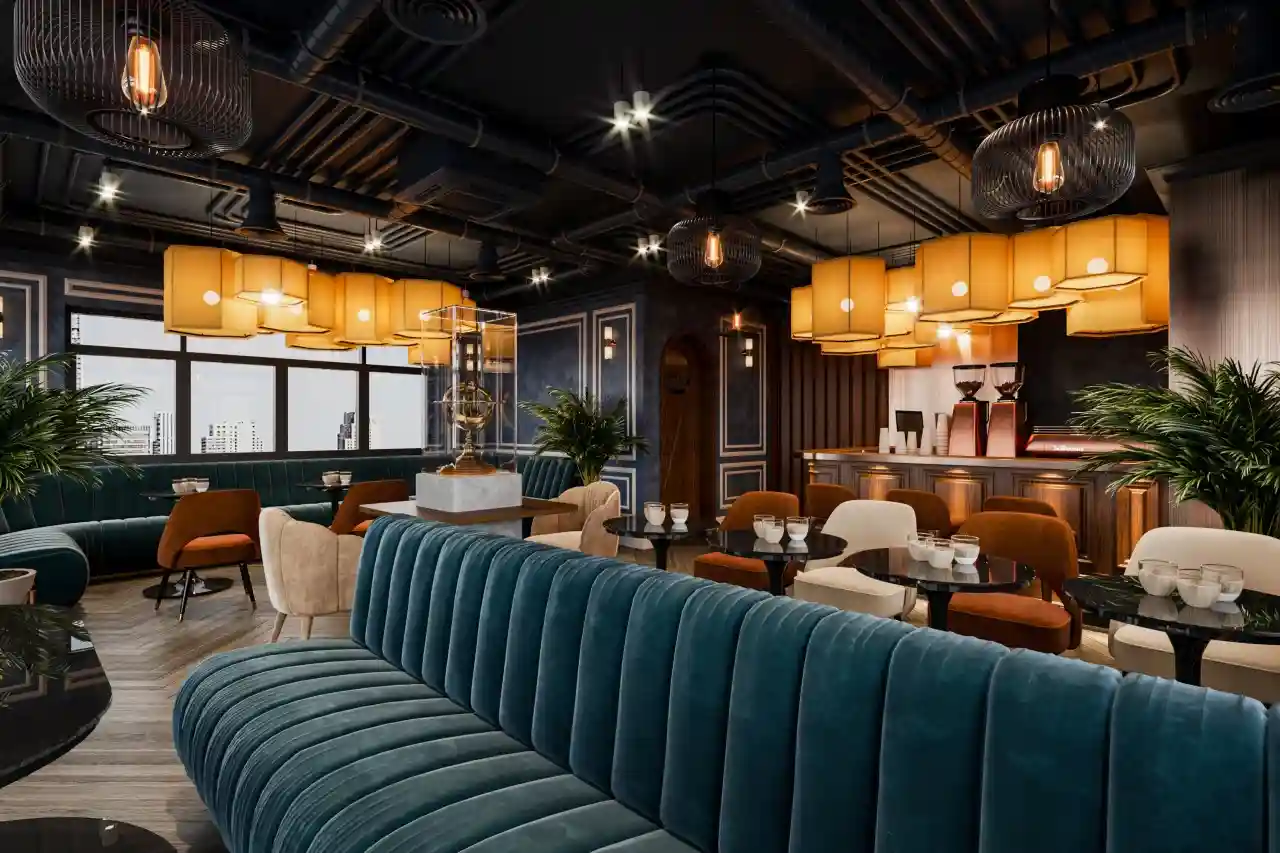
The appeal of vintage and industrial design remains strong. Exposed steel, distressed wood, and retro-inspired chairs add both authenticity and character to a café. These styles work particularly well in urban environments, where raw, unfinished aesthetics are in high demand.
Industrial pieces are not only stylish but also practical. They are sturdy, long-lasting, and can handle high-traffic use, reducing replacement costs. Pairing them with Edison bulbs and exposed piping creates a cohesive industrial-chic vibe. On the other hand, vintage seating adds warmth and nostalgia, creating a lived-in feel that fosters a sense of comfort. Many cafés even mix mismatched vintage chairs and tables to achieve an eclectic look that feels personal and unique. This blend of old and modern gives customers the sense that the café has a story to tell.
Tech-Integrated Café Furniture
The modern café is no longer just a place to sip coffee; it is a workspace, meeting hub, and sometimes even a digital office. Furniture is evolving to meet these demands. Tables with built-in power outlets, USB ports, and wireless charging pads are becoming common. Customers no longer need to fight for the corner outlet, and this convenience encourages longer visits.
Some cafés are experimenting with touch-screen ordering built into tables, creating a seamless connection between customer and service. Chairs designed with ergonomic support are also gaining attention, especially in cafés catering to students or remote workers. By integrating technology into the furniture, cafés attract professionals, digital nomads, and anyone seeking a functional yet stylish place to stay productive. This tech-ready approach also boosts spending, as people who stay longer tend to order more.
Natural Materials and Biophilic Design
The connection to nature is also taking root in café furniture. Stone, wood, and greenery are used not just for decoration but to create a calming, organic feel. Biophilic design, which incorporates natural textures and plants, is proven to improve well-being and increase the amount of time people spend in a space.
Wooden communal tables foster togetherness, while planters and natural finishes create a peaceful backdrop for conversation. Research indicates that indoor greenery can increase customer satisfaction by up to 15 percent. Natural furniture finishes also retain their appeal over time, offering both durability in function and style. Cafés that bring elements of the outdoors inside reinforce sustainability while delivering a sensory and restorative environment.
Statement Pieces That Spark Conversations
Some furniture is designed not to blend in but to stand out. Oversized armchairs, sculptural tables, or uniquely shaped booths act as focal points in a café. These statement pieces capture attention immediately and often become a signature element of the brand.
Eye-catching designs also double as marketing tools, and don’t forget, you can also use AI as a marketing tool to help grow your brand even more. Customers love taking photos in memorable spaces, and a distinctive piece of furniture can easily go viral on social media. Quirky stools or eccentric chairs create fun, shareable moments. For café owners, investing in one or two bold items can elevate the entire space without needing a complete redesign. Statement furniture adds personality, encourages conversations, and ensures customers remember the experience.
Where Style Meets Experience: The Furniture That Defines Café Culture
Furniture in cafés has shifted from being a backdrop to becoming a central character in the overall experience. Today’s most successful spaces recognize that furniture choices not only influence comfort but also impact brand perception, customer loyalty, and even profitability. Trends such as sustainability, modularity, and tech integration demonstrate how rapidly consumer expectations are evolving.
Eco-certifications and natural materials resonate with those who care about the planet. Modular setups provide flexibility for cafés that want to maximize space and host diverse events. Smart furniture with built-in technology resonates with a generation that seamlessly blends work and leisure. Adding statement pieces or pops of color ensures that each visit feels memorable and worth sharing online.
In the end, the chair someone chooses or the table they gather around is as much a part of their café experience as the drink they order. Cafés that invest thoughtfully in furniture are not just furnishing a room; they are designing an experience that keeps customers coming back. The future of café culture lies at the intersection of style, comfort, and imagination, and the furniture trends shaping today’s spaces are setting the standard for tomorrow.
Also read: How to Choose Furniture to Maximize the Capacity of Your Restaurant?