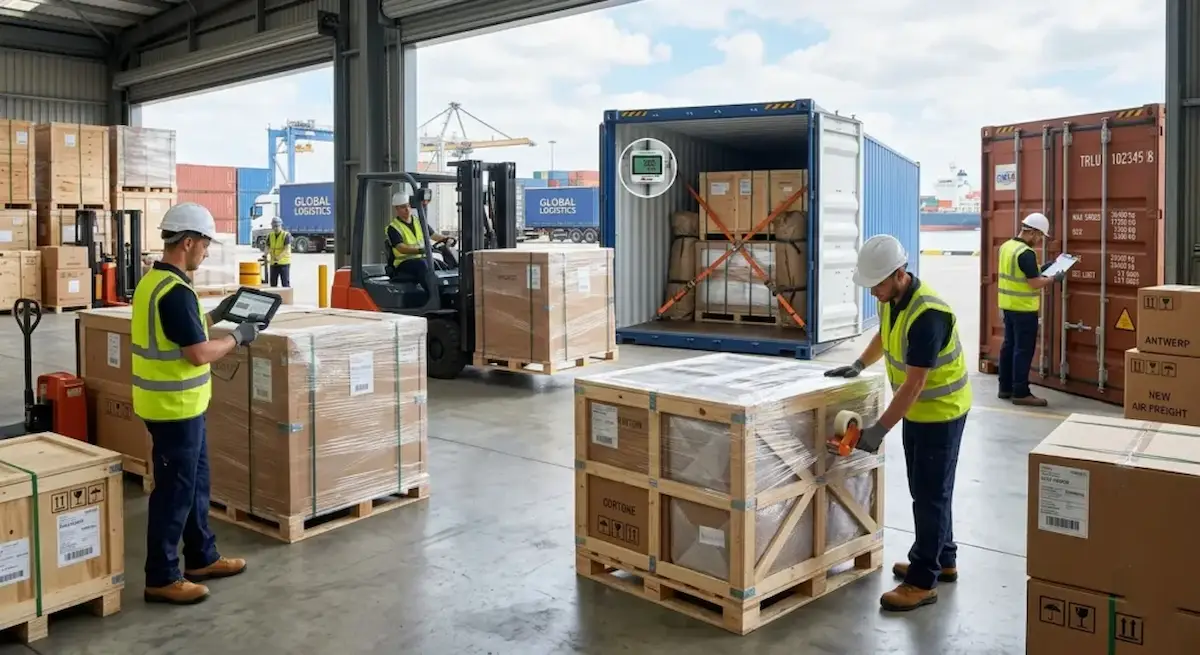
Preventing transit damage comes down to a few core actions: choosing the exact right box size, using proper cushioning and void fill, upgrading your outer board grade, taping securely, labelling clearly, managing moisture scientifically, and actually testing the shipments before they go out. If you just want the quick answer, that is it. But the reality of logistics is messy and unpredictable.
I remember a few years back working on a project where we thought we had the absolute perfect packaging. We spent weeks on it. Turns out the courier network was basically playing football with our parcels at the sorting hub. We lost thousands of pounds in a single week. Research shows about 11 percent of goods get damaged during shipping simply because of inadequate packaging.
In the UK alone retailers are bleeding over £2.5 billion a year on damage-related returns. That is a staggering amount of money just evaporating into thin air.
Shoppers open an average of three damaged items per year, with each product valued around £115. It destroys brand reputation and creates a massive customer service headache. UK parcel statistics from an e-commerce packaging consultancy cite an estimate that roughly 0.3 percent of all parcels are damaged or lost in transit. That equals over 9.4 million packs per year. Think about the carbon footprint of shipping all those replacements. It is massive.
Select the correct box size
Corrugated cardboard is the most commonly used packaging material in transport. Around 73 percent of respondents in a recent study said they rely on it daily. But people still get the sizing completely wrong. They just grab whatever box is closest to the packing bench.
Choosing box dimensions based on product size and fragility reduces internal movement. You want just enough clearance for cushioning. Not too much and not too little.
Oversized boxes are a disaster waiting to happen.
They crush under weight when stacked in a depot. When a warehouse worker stacks a heavy pallet, those empty spaces inside the oversized cartons just collapse. I sometimes walk through warehouses and see people trying to cram a tiny electronic device into a massive carton just because it was the only one left on the shelf. It makes no sense.
Custom packaging design tailored to specific product dimensions is key to preventing this kind of damage. It limits movement while allowing space for padding. I think a lot of businesses skip this step because custom boxes cost a fraction more upfront. But the savings on reduced returns make it entirely worthwhile.
Apply appropriate cushioning
Inadequate cushioning is a massive problem. In fact, 68 percent of surveyed professionals say it is a leading cause of transit damage. I think we have all received a box with a single sad piece of bubble wrap rattling around inside. It is frustrating as a customer.
Wrapping items individually absorbs shock and vibration during rough transit. You have to match the cushioning type and thickness to the product fragility and weight rather than using generic padding for ABSOLUTELY EVERYTHING.
Foam, air pillows, corrugated inserts, and stretch wrap all have their place in the warehouse.
You need a solid plan. Assess the product mass and its sensitivity to impact. Then evaluate your protective options and choose the best fit for both protection and cost. A heavy metal component needs completely different cushioning than a fragile glass vase. A packaging company notes that many operations just accept higher damage rates for fast-moving items. But upgrading to tailored board grades and proper foam inserts greatly improves outcomes.
Utilize effective void fill
Empty space is the enemy of safe shipping. Filling those empty spaces stops the goods from shifting around during transit.
Voids inside cartons increase acceleration forces when parcels are dropped. When a box hits the floor, the product keeps moving until it smashes into the cardboard. Void fill helps to distribute and absorb those shocks before they break the product.
Since weak structural support is a major cause of damage, stabilizing items within the carton is a simple yet critical step. It just makes sense.
Paper void fill or air pillows can make a huge difference. I often wonder why some companies still ship boxes that are half empty. It is like they want the product to break. There is a growing interest in eco-friendly cushioning and recyclable corrugated solutions right now. They maintain protective performance while supporting environmental goals. Optimized packaging reduces waste from damaged goods, which is often overlooked when people talk about sustainability.
Upgrade to stronger outer packaging
Weak outer packaging was identified as a factor in 55 percent of reported damage incidents. People try to save a few pennies on cheaper boxes and end up paying pounds in replacements.
Heavy or high-value products need stronger board grades. Double-wall corrugated boxes or double boxing techniques provide that extra structural integrity.
Freight networks are incredibly harsh environments.
Multi-stop, less-than-truckload shipments face 2 to 5 percent damage rates because freight is handled so frequently at hubs. Boxes experience repeated drops and compressive loads from mechanical sorting machines. You need outer packaging that can survive that mechanical sorting without tearing apart. Truckload shipments typically see damage rates of around 0.5 to 2 percent. But intermodal shipments average 1 to 3 percent & ocean containers 2 to 4 percent. The more your freight is handled, the higher the risk.
Many operations accept a 2 to 4 percent damage rate as normal. But in some categories it can rise to 11 percent if you do not intervene with better materials.
Seal packages securely
Poor sealing and closures contribute to 42 percent of damage incidents. A box is really only as strong as the tape holding it together.
The H-taping method with pressure-sensitive tape is what you want. It secures both the major flaps and the side seams. This maintains box integrity throughout the entire journey from warehouse to doorstep.
Secure sealing prevents partial openings that expose contents to impact or moisture. It also maintains carton compression strength along the score lines.
Don’t buy cheap tape that peels off in humid warehouses. I have seen pallets where half the boxes popped open just because the tape adhesive failed in the damp British weather. It is a completely avoidable mess.
Implement clear labeling
Orientation arrows and ‘fragile’ warnings actually help. Some people think they are useless, but logistics guides consistently recommend them as part of a holistic damage prevention program.
Parcel handlers are human. Even with robust pack design, human handling errors are a persistent risk in fast-paced depots.
Clear labeling helps warehouse staff and carriers identify loads that require more cautious handling.
Combine clear labels with training. It changes behavior in warehouses and final-mile delivery. When staff know what is inside, they tend to be a bit more careful. Or at least we hope they do.
Protect against environmental factors
Moisture is a silent killer for sensitive goods. Container rain or cargo sweat happens when moisture-laden air inside a container condenses on cold surfaces and drips onto cargo. This phenomenon can literally destroy entire shipments of textiles or electronics.
Keeping relative humidity below about 60 percent inside a sealed package is crucial. It reduces the risks of mold growth, corrosion, and adhesive failure. Nobody wants to open a box of expensive electronics to find rust covering the circuits.
Integrating Silica Gel Sachets into the packaging design protects against these issues. They absorb ambient moisture and remain inert to most nonaqueous chemicals.
But small sachets saturate quickly at a large scale. You need expert advice on moisture modelling to accommodate the exact desiccant requirements without costly trial and error. Guessing the amount of desiccant you need is a fool’s game.
Test and monitor shipments
Thorough testing of materials under conditions that simulate real transportation environments is vital. You need to test for vibration, drops, and sudden humidity changes.
Standardized methods like ISTA and ASTM testing protocols validate packaging performance. Running trial shipments and monitoring the results lets you adjust specifications before committing to large-scale distribution.
Use impact indicators and temperature loggers to capture handling data.
Damage logs and root cause analysis trace whether failures were due to inadequate cushioning or carrier handling. Predictive modelling pinpoints weak points in the structure so you definitely know where to invest in better materials. If you are shipping high-value items, you should be tracking what happens to them in transit.
The Bottom Line
A scientific approach to packaging design saves time & money. It is that simple. Reduced damage improves profit margins and cash flow while lowering customer service workloads.
Review your current shipping processes honestly. Look at your returns data and map your distribution flows to identify products most at risk.
Stop relying on guesswork. Consult with packaging specialists to optimize your protective materials before peak season hits. Protecting your goods protects your brand reputation.
Also read: Covering Your Cargo: Why Commercial Transportation Insurance is Essential