

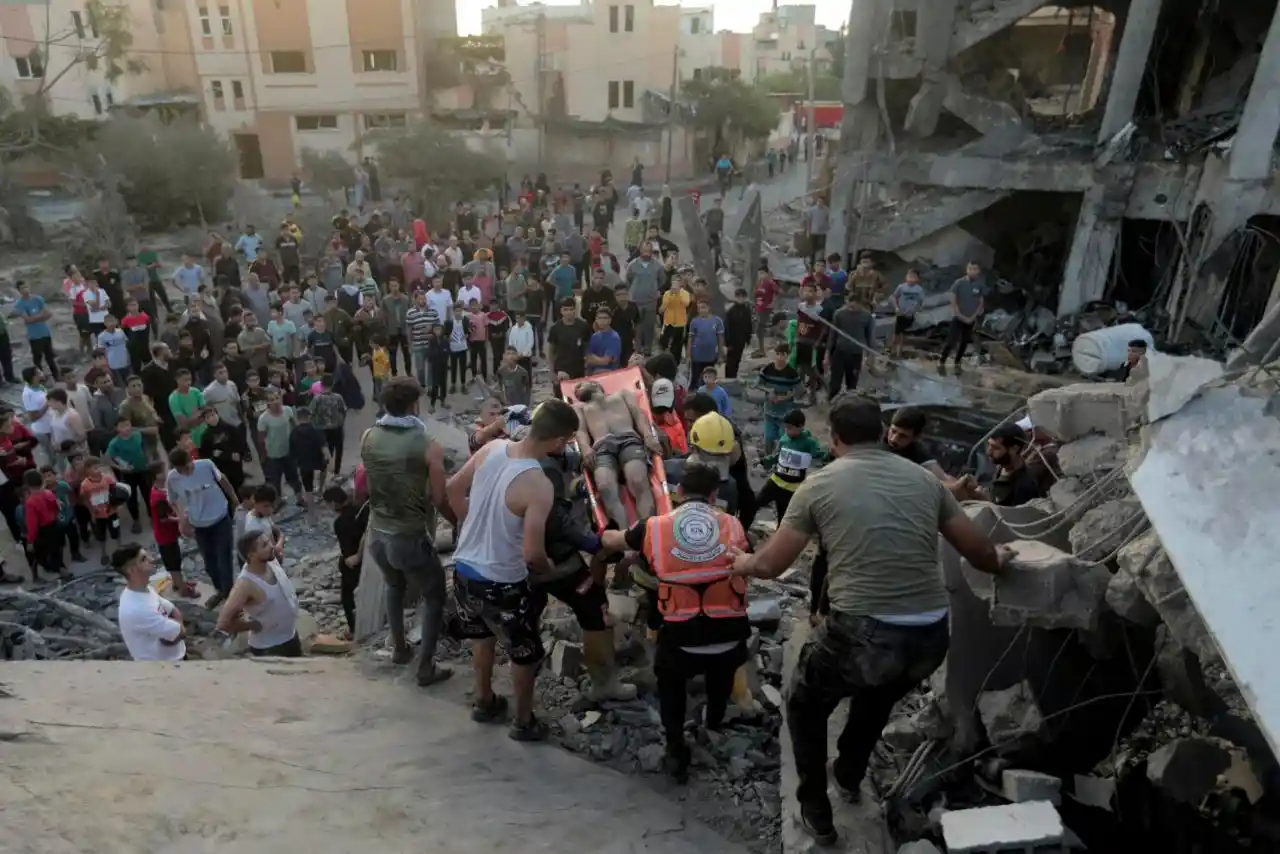
A deadly Israeli airstrike on a hospital in Gaza has caused significant casualties, including the deaths of several journalists, intensifying tensions in the region and drawing sharp international condemnation. This tragic event, breaking on August 25, 2025, has underscored the growing humanitarian crisis in Gaza amid ongoing conflict, while raising urgent questions about the safety of civilians and the press in war zones.
The Gaza Hospital Attack and Its Aftermath
The strike on Nasser Hospital in southern Gaza resulted in at least 15 deaths, with four of the victims identified as journalists working for major international media outlets, including Reuters, Al Jazeera, and the Associated Press. The violence unfolded in two successive strikes: the first hit the hospital directly, and just as rescue workers were tending to the wounded, a second strike occurred, compounding the devastation. Israeli military officials confirmed the operation but expressed regret over the civilian casualties, promising a prompt investigation. They emphasized that journalists were not targeted intentionally and highlighted efforts to minimize harm to uninvolved individuals. Despite these assurances, the attack has sparked widespread outrage across humanitarian organizations and global leaders, who condemn the loss of innocent life and journalists vital in bearing witness to conflict.
This incident is the latest in a series of violent escalations in the region, contributing to a humanitarian crisis marked by shortages of medical supplies, displacement of civilians, and ongoing hostilities. The situation is compounded by international calls for ceasefires and increased diplomatic efforts to de-escalate violence. Responses on social media, including posts by prominent journalists and human rights advocates, have amplified the call for accountability and the protection of non-combatants under international law (BBC live updates).
Regional and Global Implications
The hospital strike has not only intensified the conflict on the ground but has broad geopolitical repercussions. It comes at a time when global powers and regional actors are navigating complicated alliances and security concerns. The Israeli government faces mounting criticism and pressure from international organizations demanding independent investigations into civilian casualties. At the same time, countries involved in diplomatic negotiations urge restraint to prevent further escalation.
Moreover, the death of journalists in this strike highlights the alarming risks faced by reporters covering conflict zones. The safety of media personnel is increasingly jeopardized, undermining press freedom and the global public’s ability to stay informed about critical developments. Media rights watchdogs like Reporters Without Borders have reiterated calls for stronger protections and accountability mechanisms for attacks on journalists.
The humanitarian toll of ongoing strikes in Gaza has also drawn attention to the broader crisis affecting millions of Palestinians, including limited access to essential services and increasing displacement. International relief agencies are struggling to provide aid in this environment of continued violence. The global community remains engaged, with renewed dialogue at forums like the United Nations aimed at seeking sustainable peace and ensuring the respect of human rights in conflict zones.
In conclusion, the deadly strike on the Gaza hospital on August 25, 2025, marks a tragic high point in an increasingly fraught conflict. The loss of civilian and journalistic lives demands urgent international action to protect non-combatants and media workers while spurring diplomatic efforts toward de-escalation and long-term peace.
Read also: Steve Burton Announces His Return to General Hospital in 2024


