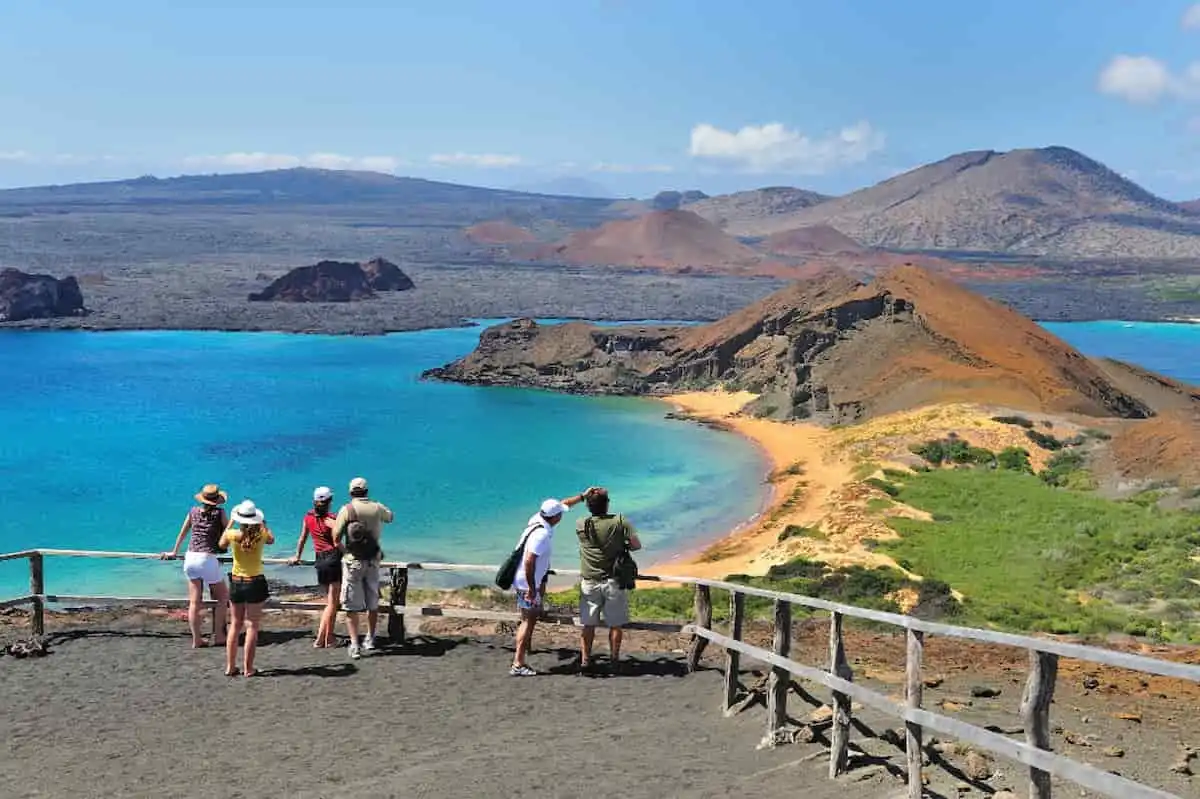
Enjoying the Galapagos Islands Respectfully
The Galapagos Islands are one of the most extraordinary natural wonders on Earth—a living laboratory where evolution unfolds before your eyes. From giant tortoises roaming volcanic plains to blue-footed boobies dancing on sunbaked rocks, every corner of this archipelago is alive with unique beauty. But with this incredible biodiversity comes a delicate balance. To truly enjoy a Galapagos tour responsibly, visitors must respect the islands’ fragile ecosystems and follow strict conservation principles designed to protect them for generations to come.
Understanding the Galapagos’ Fragility
Unlike many tropical destinations, the Galapagos isn’t just a vacation spot—it’s a UNESCO World Heritage Site and one of the most ecologically sensitive regions in the world. Its isolation has allowed wildlife to evolve in unique ways, creating species found nowhere else on Earth. However, that same isolation makes the islands incredibly vulnerable.
Even small disturbances, like stepping off designated trails or introducing non-native species through luggage or shoes, can upset this fragile balance. For this reason, every visitor is required to follow the Galapagos National Park’s strict guidelines, which include maintaining a respectful distance from wildlife, refraining from touching animals, and avoiding any interference with their natural behaviors.
Traveling Light and Leaving No Trace
Respectful travel begins long before you step foot on the islands. One of the most impactful choices visitors can make is minimizing their environmental footprint. Pack light, use reef-safe sunscreen, and avoid single-use plastics. Plastic pollution poses a major threat to marine life—sea turtles, for instance, often mistake floating plastic bags for jellyfish, leading to injury or death.
Instead, bring reusable water bottles and eco-friendly toiletries. Many tours and accommodations now provide refill stations and biodegradable products, helping reduce waste that could otherwise harm the environment. According to the World Wildlife Fund (WWF), marine debris is one of the greatest threats facing the archipelago today. Conscious travelers can make a meaningful difference simply by refusing disposable plastics.
Choosing Sustainable Activities
Not all activities are created equal when it comes to sustainability. The Galapagos Islands offer a variety of ways to explore—hiking volcanic trails, snorkeling with sea lions, or kayaking along quiet mangrove coves. Opt for experiences that rely on human power rather than fuel. Avoid motorized watercraft or low-flying air tours, which can disturb both marine and bird life.
Small-group, guided excursions ensure that visitors remain within designated paths and learn about conservation practices firsthand. Certified naturalist guides play a vital role in education and preservation, helping travelers understand not just what they’re seeing, but why protecting it matters.
Supporting Local and Responsible Tourism
A respectful Galapagos experience also means supporting local communities. Choose locally owned accommodations, restaurants, and guides whenever possible. This ensures that tourism dollars stay within the islands and promote sustainable livelihoods rather than overdevelopment.
Avoid purchasing souvenirs made from coral, shells, lava rock, or native wood. While these items may look tempting, their collection contributes to ecosystem degradation. Instead, support artisans who use sustainable materials or sell ethically sourced products. Every purchasing decision has an environmental ripple effect.
Respecting Wildlife Boundaries
The Galapagos Islands are often described as one of the few places on Earth where wildlife shows little fear of humans. Sea lions lounge on park benches, iguanas bask on trails, and finches hop right up to visitors. It’s tempting to reach out for a closer look, but maintaining distance is essential for the animals’ well-being.
Human contact can spread disease or cause behavioral changes that disrupt natural feeding or breeding patterns. Keep a minimum of six feet away, and never feed or chase animals for photos. Use zoom lenses instead of approaching, and remember that observing wildlife in its natural state is far more rewarding than influencing its behavior.
Conservation Through Education
One of the most meaningful aspects of visiting the Galapagos is the opportunity to learn. The islands serve as a living classroom for understanding evolution, ecology, and human impact on the environment. Take time to visit local interpretation centers and conservation projects to deepen your knowledge.
For example, the Charles Darwin Research Station on Santa Cruz Island conducts vital work in restoring ecosystems, breeding endangered species, and studying long-term environmental trends. Visitors can witness firsthand how scientific research and tourism coexist to preserve this unique habitat.
According to the Galapagos Conservancy, ongoing education and research are key to the islands’ long-term protection. Travelers who understand these challenges become ambassadors for conservation, spreading awareness long after their trip ends.
Traveling with Intention
To enjoy the Galapagos respectfully, approach your trip with mindfulness. Move slowly, observe quietly, and appreciate that you’re a guest in a world that functions best with minimal human interference. Simple acts—like carrying out your trash, sticking to marked paths, and turning off lights to prevent disorienting seabirds—help preserve this natural wonder.
The Galapagos National Park and Marine Reserve were established to safeguard these ecosystems, and every visitor plays a role in upholding that mission. By following local rules and practicing conscious travel habits, you contribute directly to the islands’ protection.
Balancing Wonder with Responsibility
It’s easy to be awestruck by the Galapagos Islands. Few places offer such intimate encounters with nature in its purest form. But with that privilege comes responsibility. Sustainable travel doesn’t mean sacrificing experience—it means enhancing it by ensuring the beauty you witness remains untouched for others to enjoy.
When travelers respect boundaries, reduce waste, and choose environmentally conscious options, they not only experience the magic of the islands—they become part of their preservation story.
A Lasting Legacy of Respect
The Galapagos Islands are a reminder that nature can thrive when humans act as stewards rather than conquerors. Every respectful traveler helps ensure that the archipelago’s wildlife, landscapes, and culture endure.
Enjoying the Galapagos responsibly means more than just following rules—it’s about cultivating a mindset of reverence and restraint. By making mindful choices and traveling with purpose, you help preserve one of Earth’s most extraordinary ecosystems, ensuring its survival for future generations of explorers and dreamers alike.
Also read: The Best Snorkeling in Seychelles by Yacht