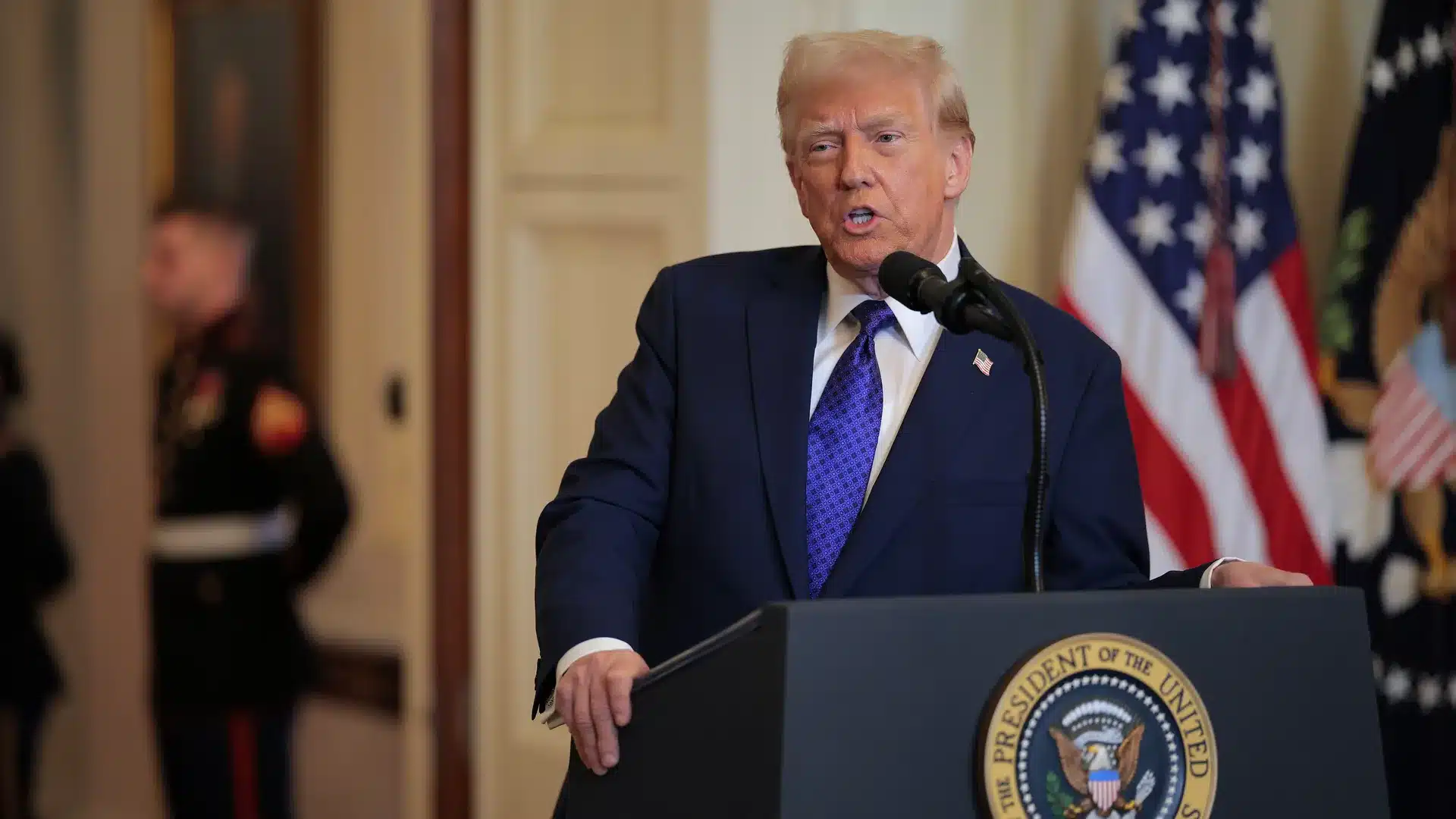
As President Donald Trump edges closer to a pivotal decision, financial circles across the US are buzzing with speculation over who will take the helm at the Federal Reserve once Jerome Powell vacates the chair next May. With a field of eleven distinct candidates, ranging from career central bankers to sharp private-sector minds, the stakes for America’s economic future have rarely felt higher. This selection is not just about personalities, it is about shaping monetary policy at a time of intense debate over interest rates and inflation.
The Players Reshaping Conventional Wisdom
The list, as reported by CNBC, features a fascinating blend of insiders and outsiders. Notable among the fresh faces are David Zervos, chief market strategist at Jefferies, and Rick Rieder, global fixed income chief at BlackRock. Both bring distinctive philosophies honed in financial markets rather than federal bureaucracy. Zervos, with his robust macroeconomic background and celebrated analytical style, is known for bold forecasts and his deep dives into global economic shifts. Rieder, on the other hand, is recognized for his pragmatic investment strategies, recently telling Bloomberg that current conditions offer one of the best investing environments in decades, a sentiment that aligns with the Trump administration’s pro-growth outlook.
The field also includes more traditional contenders already within the Fed, such as Michelle Bowman, Chris Waller, and Philip Jefferson. While Trump has openly criticized Powell’s measured approach to interest rates, these institutional candidates have the advantage of continuity paired with their own reformist viewpoints. Bowman, for example, has recently spoken about tariffs and their nuanced impact on inflation, echoing Trump’s trade priorities.
What’s at Stake for the US Economy
Treasury Secretary Scott Bessent is leading intensive interviews, aiming to narrow down candidates before presenting the finalists to the President. Trump has hinted that his announcement may come sooner than planned, increasing public anticipation. Whoever is chosen will be tasked with balancing the White House’s aggressive push for economic growth with the independence required to preserve credibility in global markets.
The direction of interest rates is expected to be the most contentious issue. Trump has argued that Powell’s reluctance to cut rates has made mortgages less affordable, a point that resonates with millions of Americans facing high homeownership costs.