

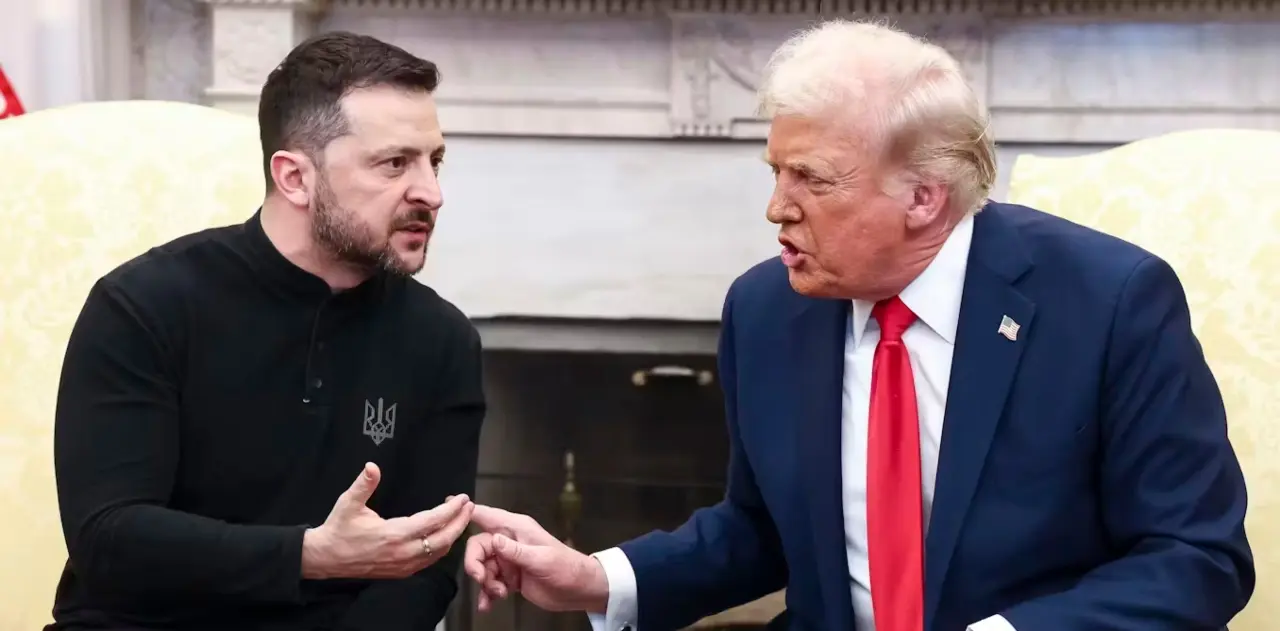
On August 18, Washington was centre stage for diplomacy as President Donald Trump welcomed Ukrainian President Volodymyr Zelenskyy alongside a cohort of European leaders. The goal: crafting a viable path to end Russia’s relentless war on Ukraine. Just days before, Trump met with President Vladimir Putin in Alaska, stirring hope, if cautious, that a breakthrough was near.
The mood in the Oval Office was strikingly more cordial than earlier encounters. In February, Zelenskyy faced sharp criticism from Trump and Vice President JD Vance, who questioned his gratitude for US military support. Now, with the stakes much higher and Ukraine’s delegation emboldened by European backing, Zelenskyy found himself on warmer terrain. He openly praised Trump’s commitment and pledged optimism for the talks.
Trump’s approach signalled a shift in American response to the war. He promised “very good protection, very good security” for Ukraine, though the specifics remained vague. While the details are still evolving, the White House gathering marked the first time in years that such a robust international effort coalesced around Ukraine’s future. European diplomats expressed urgency, noting that the rapid coordination rivalled moments leading up to past US military interventions.
The Peace Puzzle: Strategic Land Swaps, Security Guarantees, and Russia’s Relentless Pressure
Beyond the handshakes and hopeful words, real danger and diplomatic tension lingered. Mere hours before the Washington meetings, Russian forces bombarded Khiv and Zaporizhzhia, killing at least ten civilians—including a child—and injuring many more. These attacks, condemned by Zelenskyy as calculated moves to pressure Ukraine mid-negotiation, underscore how fragile any dialogue remains.
The most contentious issue: the path to peace may require Ukraine to relinquish territory Russia currently occupies. President Putin, emboldened by Trump’s willingness to bypass a simple ceasefire for a broader peace plan, saw an opportunity to solidify gains—nearly one-fifth of Ukraine is now under Russian control. Trump warned of “severe consequences” should Russia refuse to halt violence, but he’s pushed harder for a settlement that involves concessions from both sides rather than unconditional Ukrainian restoration.
As the war drags into its third year, both the Biden and Trump administrations have oscillated between increased aid and cautious restraint. US senators recently proposed 500 percent tariffs on Russian exports, aiming to cut Moscow’s funds for the war. The secondary sanctions target nations like China and India, Russia’s top energy customers. Meanwhile, Trump announced plans for new weapons supplies such as advanced Patriot air defence missiles, distributed through European allies, showing a pivot toward empowering regional partners rather than direct US intervention.
Ukraine’s resilience is tested further by grim statistics. Over eight million have been displaced and battlefield conditions remain dire. Reports of dwindling ammunition, struggles with military recruitment, and persistent Russian advances paint a sobering picture of front-line realities. Yet, as negotiations unfold, the US retains a pivotal role, not with troops, but by shaping sanctions, alliance support, and high-level diplomatic pressure.


