

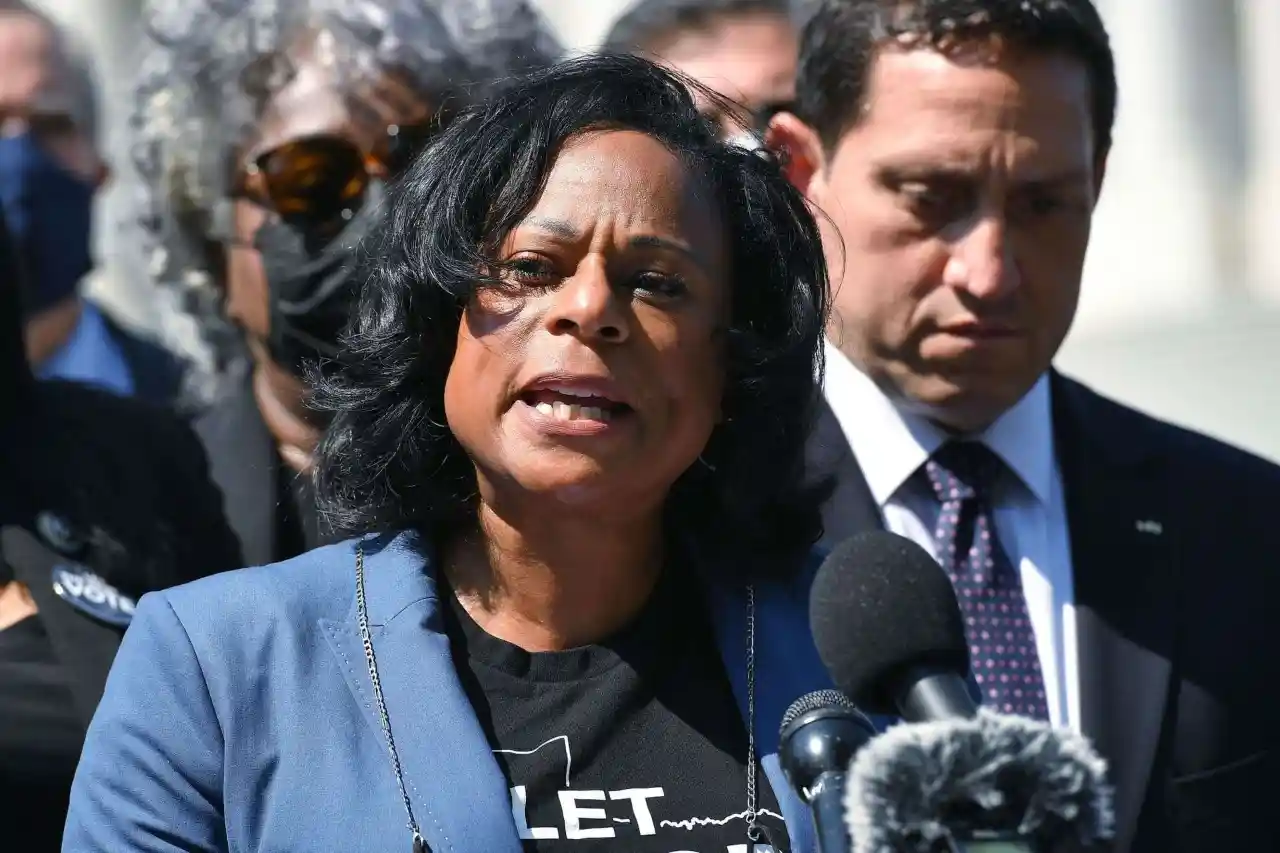
In a bold and deeply symbolic act of protest, Texas State Representative Nicole Collier has chosen to remain inside the Texas House chamber overnight, rejecting Republican demands that she be monitored by law enforcement while at the Capitol. This stand is part of a larger, ongoing battle in Texas over redistricting plans that many Democrats, including Collier, see as an effort to dilute minority representation and secure more GOP seats in the 2026 elections.
The Redistricting Battle and Collier’s Protest
Earlier this month, over fifty Texas House Democrats fled the state, traveling to Democratic-led states like Illinois and New York. Their aim was to break quorum and stall a Republican-backed congressional map that would add five new districts favoring Republican candidates. This map has garnered support from former President Donald Trump and Texas GOP leaders, who view it as a strategic advantage for the upcoming midterms.
After a 15-day absence and intense political pressure, including civil arrest warrants issued by Texas Attorney General Ken Paxton and other legal actions, the Democrats returned to the Capitol. However, the conditions imposed by House Speaker Dustin Burrows are strict: Democrats must sign a document agreeing to law enforcement escorts by the Texas Department of Public Safety whenever they leave the House floor. This control measure is intended to prevent another walkout and ensure attendance for crucial votes, especially on the controversial redistricting maps.
Nicole Collier publicly refused to comply. She declared that signing such a “permission slip” would mean surrendering her dignity and freedom as an elected representative. Collier, representing a majority-minority district in Fort Worth, sees this as an overreach of power and part of the GOP’s intimidation tactics to suppress minority voices. “I refuse to sign away my dignity just so Republicans can control my movements,” she told reporters, calling her refusal a form of political resistance and protest.
The Larger Implications: Representation and Rights
Collier’s refusal is significant beyond the immediate redistricting fight. Her district, like many minority communities across Texas, faces a direct threat from the maps proposed. The GOP’s plan not only aims to increase Republican influence but also to redraw boundaries in ways that some critics argue weaken minority representation. Collier and her colleagues have framed their opposition as defense of their constituents’ rights and fair representation.
The tension has spotlighted broader debates about democracy and electoral fairness in the United States. Texas is a key battleground state where political control can pivot sharply based on how district lines are drawn. Collier’s protest was livestreamed on her social media and been posted on X, drawing attention nationwide, including support from former Democratic presidential candidate Beto O’Rourke, who praised her courage in standing firm alone if necessary.
Read also: A New Era for Cable News: MS NOW Steps into the Spotlight


