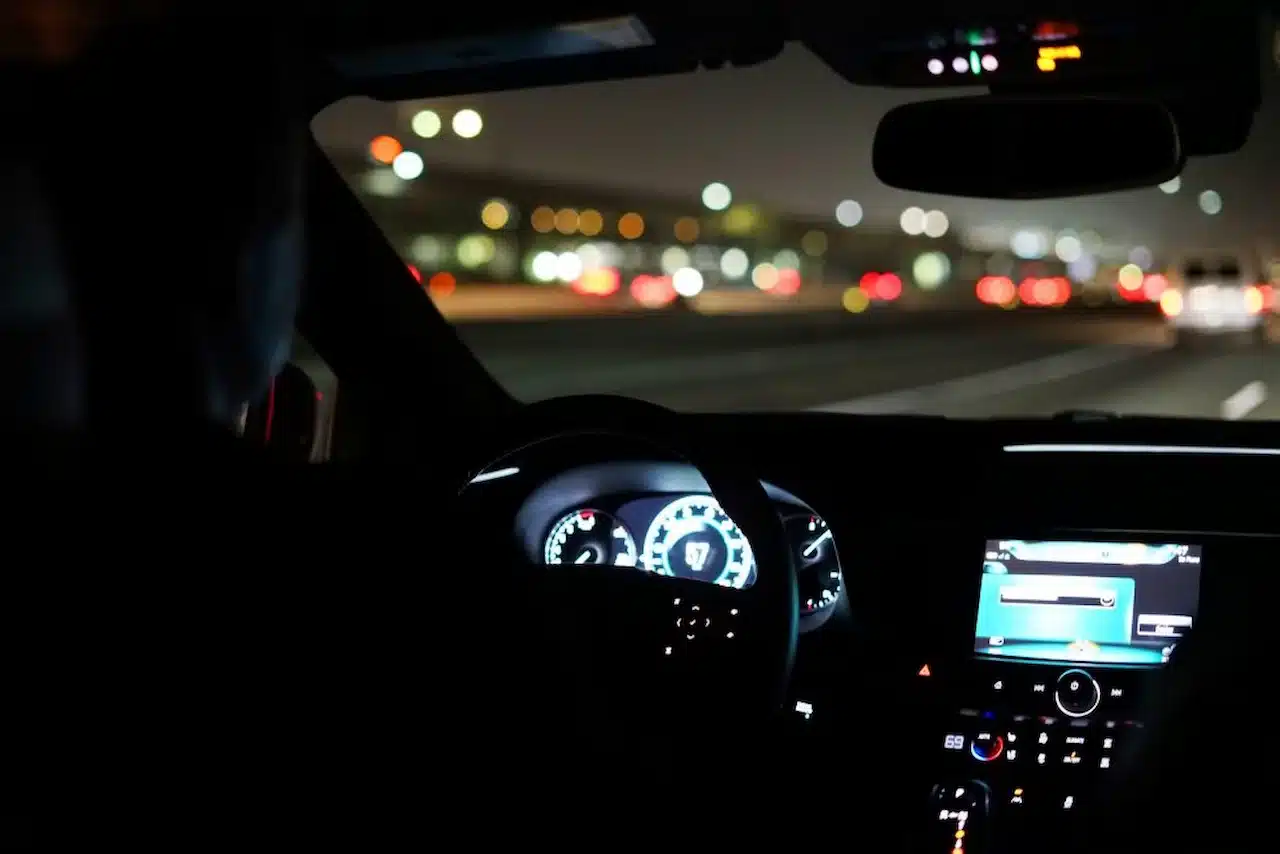
Driving at night presents a unique set of challenges that can make even the most experienced drivers uneasy. Reduced visibility, glare from oncoming headlights, fatigue, and unpredictable hazards all contribute to an increased risk of accidents after the sun goes down. However, with the right techniques and awareness, you can drive safely and confidently at night. This guide breaks down essential tips to help you master the road in the dark.
1. Prioritize Clear Visibility
One of the biggest challenges of night driving is limited visibility. To mitigate this:
- Clean your windshield, mirrors, and headlights regularly. Dirt or smudges can worsen glare and impair your vision, especially when light from oncoming traffic hits them.
- Adjust your headlights. Misaligned headlights can reduce your ability to see the road ahead or blind other drivers. Ensure they are aimed properly and replace any dim or burnt-out bulbs.
- Use your high beams wisely. High beams are helpful on dark rural roads, but remember to switch back to low beams when there’s oncoming traffic or when you’re following another vehicle closely.
2. Reduce Speed and Increase Following Distance
Darkness can significantly impair your depth perception and slow your reaction time, making nighttime driving more hazardous. To stay safe:
- Reduce your speed. Driving slightly slower than you would during daylight hours allows more time to identify and respond to unexpected hazards, such as sudden stops or animals crossing the road.
- Maintain a greater following distance. Leaving extra space between your vehicle and the one ahead improves visibility and reduces the risk of rear-end collisions—one of the most common types of accidents reported to auto accident lawyers in Utah.
By adopting these cautious driving habits, you can lower your chances of being involved in a nighttime crash—and avoid the legal and financial stress that often follows. If you ever find yourself in an accident despite your precautions, consulting a trusted auto accident lawyer in Utah can help you navigate your rights and options.
3. Avoid Fatigue and Stay Alert
Drowsy driving is a major contributor to nighttime accidents. The body naturally starts to wind down in the evening, so staying awake and focused becomes more difficult.
- Avoid driving late at night if you’re feeling tired. If you’re already sleepy, it’s better to rest before hitting the road.
- Take breaks during long drives. Pull over every couple of hours to stretch, get fresh air, or grab a quick snack.
- Use air conditioning or open a window slightly to stay refreshed and awake.
4. Limit Glare and Protect Your Vision
Glare from headlights and streetlights can significantly impair your ability to see.
- Dim your dashboard lights. Bright lights inside the car can make it harder for your eyes to adjust to the darkness outside.
- Use the night setting on your rearview mirror (if available) to reduce glare from cars behind you.
- Get regular eye exams. Good night vision is crucial, and prescription glasses or lenses specifically designed for night driving can make a big difference.
5. Watch for Wildlife and Pedestrians
Animals and pedestrians can be difficult to see at night, especially in poorly lit areas.
- Scan the sides of the road. Keep your eyes moving to spot movement or reflections, such as animal eyes or reflective clothing.
- Use high beams in rural areas when it’s safe to do so to increase your field of vision.
- Slow down in neighborhoods or areas with poor lighting. Pedestrians may not always be visible, especially if they’re wearing dark clothing.
6. Avoid Distractions
Distractions are dangerous at any time of day, but they’re especially hazardous at night when visibility is already compromised.
- Put your phone away or use hands-free features. Avoid texting or looking at apps while driving.
- Limit conversations or noisy activities that can take your focus off the road.
- Stay mentally engaged by paying close attention to traffic patterns, signs, and your surroundings.
7. Prepare for Emergencies
Nighttime emergencies can be more stressful due to the darkness and isolation.
- Keep an emergency kit in your car. Include a flashlight with fresh batteries, reflective warning triangles, a first aid kit, and basic tools.
- Make sure your phone is charged in case you need to call for help.
- Know your route. Use a GPS or map to plan your trip ahead of time to avoid getting lost in unfamiliar areas.
Final Thoughts
Night driving doesn’t have to be intimidating. By taking the right precautions and staying alert, you can navigate the roads safely after dark. Clean your car’s lights and mirrors, drive at a reasonable speed, and stay focused on your surroundings. Most importantly, listen to your body—if you’re too tired to drive, it’s okay to pull over and rest.
Mastering the road at night is all about preparation and awareness. With these simple yet effective tips, you’ll improve not only your safety but also your confidence every time you drive under the stars.
Also read: 5 Ways for New Drivers To Reduce Anxiety When Starting Out