The intersection of technology and architecture has never been more dynamic than it is today. As buildings become increasingly intelligent, the electrical infrastructure that powers these structures has evolved from simple circuits to sophisticated networks capable of learning, adapting, and optimizing performance in real-time. This transformation represents one of the most significant shifts in how we conceptualize and design the built environment.
Smart electrical systems are no longer a luxury reserved for high-end commercial developments or tech-forward residential projects. They have become an essential component of contemporary architecture, driving everything from energy efficiency and occupant comfort to building security and operational cost reduction. Understanding this evolution is crucial for architects, designers, and anyone involved in shaping the future of our built environment.
The Foundation of Intelligent Infrastructure
Modern smart electrical systems operate on the principle of interconnectedness. Unlike traditional electrical installations that function as isolated circuits, today’s systems create a web of communication between devices, sensors, and control units. This network enables buildings to respond dynamically to changing conditions, user preferences, and external factors.
The backbone of these systems relies on advanced protocols and communication standards that allow different components to speak the same language. From lighting controls that adjust based on natural light levels to HVAC systems that learn occupancy patterns, the electrical infrastructure serves as the nervous system of the intelligent building.
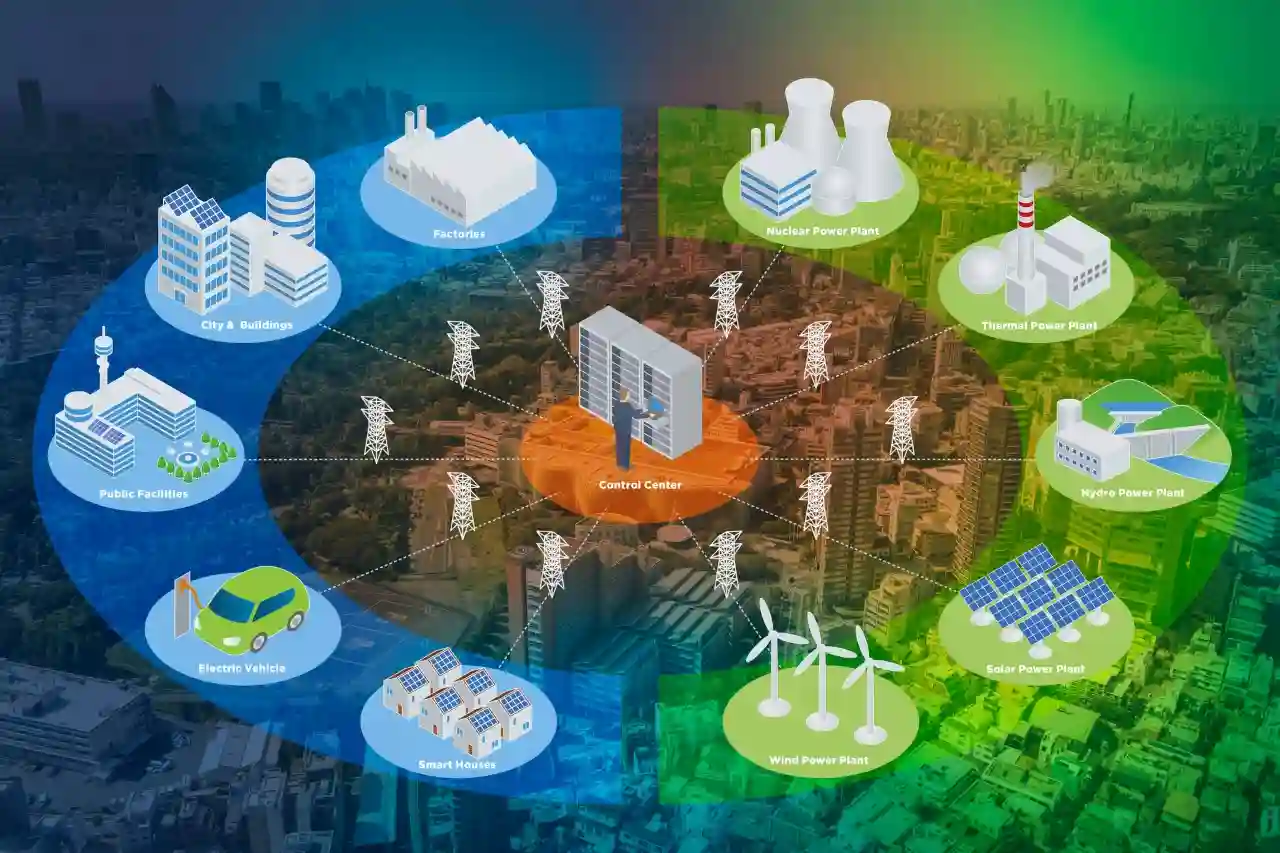
Power distribution in smart systems goes beyond simply delivering electricity to outlets and fixtures. It involves sophisticated load management, energy storage integration, and the ability to interact with renewable energy sources. This holistic approach to electrical design creates buildings that are not just consumers of energy but active participants in the broader electrical grid.
Lighting Design in the Digital Age
Perhaps nowhere is the evolution of smart electrical systems more apparent than in lighting design. Contemporary lighting solutions have transcended their basic function of illumination to become integral components of building automation and user experience design.
Circadian lighting systems represent one of the most significant advances in this field. These systems automatically adjust color temperature and intensity throughout the day to support natural human biological rhythms. The electrical infrastructure required to support such systems must be capable of precise control and seamless integration with building management platforms.
Adaptive lighting extends beyond circadian considerations to include occupancy sensing, daylight harvesting, and task-specific illumination. The electrical systems supporting these features must be robust enough to handle constant communication between sensors, controllers, and fixtures while maintaining reliability and energy efficiency.
The integration of lighting with other building systems creates new possibilities for space utilization and energy optimization. When lighting systems can communicate with security, HVAC, and access control systems, buildings become more responsive and efficient. This level of integration requires electrical infrastructure that can support multiple protocols and handle complex data flows.
Energy Management and Sustainability
Smart electrical systems play a crucial role in advancing building sustainability goals. Advanced energy monitoring capabilities provide real-time insights into consumption patterns, enabling building operators to identify inefficiencies and optimize performance. This granular level of monitoring requires electrical infrastructure capable of supporting numerous sensors and data collection points throughout the building.
The integration of renewable energy sources presents both opportunities and challenges for electrical system design. Solar panels, wind generation, and energy storage systems must be seamlessly integrated into the building’s electrical infrastructure. This integration requires sophisticated control systems that can manage energy flow, storage, and distribution based on real-time conditions and demand.
Demand response capabilities allow buildings to participate in grid stabilization efforts by adjusting their energy consumption during peak demand periods. The electrical systems enabling these capabilities must be flexible enough to rapidly adjust loads while maintaining critical building functions. This level of responsiveness requires advanced control systems and robust communication networks.
The growing importance of electric vehicle charging infrastructure adds another layer of complexity to modern electrical design. Buildings must accommodate high-power charging stations while managing their impact on overall electrical demand. Smart charging systems can optimize charging schedules based on grid conditions and building energy usage patterns.
The Role of Professional Expertise
The complexity of modern smart electrical systems requires specialized knowledge and experience to implement effectively. From initial design through installation and ongoing maintenance, these systems demand expertise that goes beyond traditional electrical work. The integration of multiple technologies and protocols requires professionals who understand both the technical requirements and the broader implications for building performance.
Quality installation becomes even more critical when dealing with smart systems, as improper implementation can compromise the entire network’s functionality. The precision required for sensor placement, network configuration, and system integration demands skilled professionals who understand the nuances of intelligent building systems. Whether dealing with new construction or retrofitting existing structures, the expertise required spans multiple disciplines and technologies.
Regional considerations also play a significant role in smart electrical system design and implementation. Local climate conditions, utility regulations, and building codes all influence how these systems are configured and operated. Professional residential & commercial electrical services in Arlington, TX and similar markets must navigate these local requirements while implementing cutting-edge technologies.
Future Trends and Innovations
The trajectory of smart electrical systems points toward even greater integration and intelligence. Artificial intelligence and machine learning capabilities are beginning to enable predictive maintenance, automated optimization, and self-healing networks. These advances promise to make buildings more efficient, reliable, and responsive to occupant needs.
Edge computing integration allows buildings to process data locally, reducing dependence on cloud services and improving response times. This trend requires electrical infrastructure capable of supporting distributed computing resources while maintaining security and reliability.
The Internet of Things continues to expand the possibilities for building intelligence, with new sensors and devices constantly entering the market. Electrical systems must be designed with flexibility to accommodate future technologies and evolving requirements.
Wireless technologies are reducing the need for extensive wiring in some applications, but they also create new requirements for power distribution and network infrastructure. The balance between wired and wireless solutions continues to evolve as technologies mature and new applications emerge.
Read also: Energy-Saving Home Improvements That Cut Utility Bills