The concept of a swimming pool has evolved far beyond a luxury item in the backyard. Today, homeowners are increasingly exploring off-grid pool designs that minimize environmental impact while offering the same (or better) comfort and enjoyment as traditional pools. These designs combine renewable energy sources, smart water management, and sustainable construction techniques to create a self-sustaining system. The result is a pool that not only saves money in the long run but also reduces strain on local resources.
Harnessing Renewable Energy for Pool Systems
One of the cornerstones of an off-grid pool is renewable energy. Solar panels, for example, can power filtration systems, pumps, lighting, and even heaters. By connecting the pool’s equipment to a solar array, you eliminate reliance on the electrical grid during sunny days. In colder climates or during cloudy seasons, hybrid systems can supplement solar with wind turbines or small-scale hydropower, ensuring a consistent supply of energy year-round. These setups reduce both operational costs and the carbon footprint associated with conventional pool ownership.
Water Conservation Through Smart Design
Water scarcity is a growing concern in many parts of the world, making conservation strategies essential for off-grid pools. Techniques such as rainwater harvesting can collect and store natural precipitation, which is then filtered and used to replenish the pool. Additionally, advanced filtration systems—such as diatomaceous earth or cartridge filters—reduce the need for frequent water replacement by keeping water cleaner for longer periods. Pairing these with covers that minimize evaporation can save thousands of gallons annually.
Natural Filtration for a Chemical-Free Experience
Traditional chlorine pools require constant chemical maintenance, which can be costly and harmful to the environment. Many off-grid pool designs embrace natural swimming pool technology, using aquatic plants and biofilters to keep water clean. This approach creates a balanced ecosystem where microorganisms naturally break down contaminants. Beyond being eco-friendly, these pools offer a more pleasant swimming experience, free from the harsh smell and feel of traditional chemical treatments.
Sustainable Construction and Materials
Going off-grid doesn’t just apply to how a pool runs—it also includes how it’s built. Choosing recycled or locally sourced materials reduces the environmental toll of construction. Permeable paving around the pool area allows rainwater to seep back into the ground, supporting natural groundwater recharge. In addition, high-efficiency insulation and reflective finishes on the pool shell can help maintain water temperature, reducing the need for constant heating or cooling.
Smart Automation for Efficiency
Modern technology makes it easier than ever to manage an off-grid pool efficiently. Automated pool controllers can monitor energy production, filtration cycles, and water quality in real time. This means pumps only run when needed, heaters maintain optimal temperatures without waste, and filtration systems adjust to current conditions. By combining automation with renewable energy, homeowners can ensure their pool operates at peak efficiency without constant manual oversight.
Real-World Examples and Inspiration
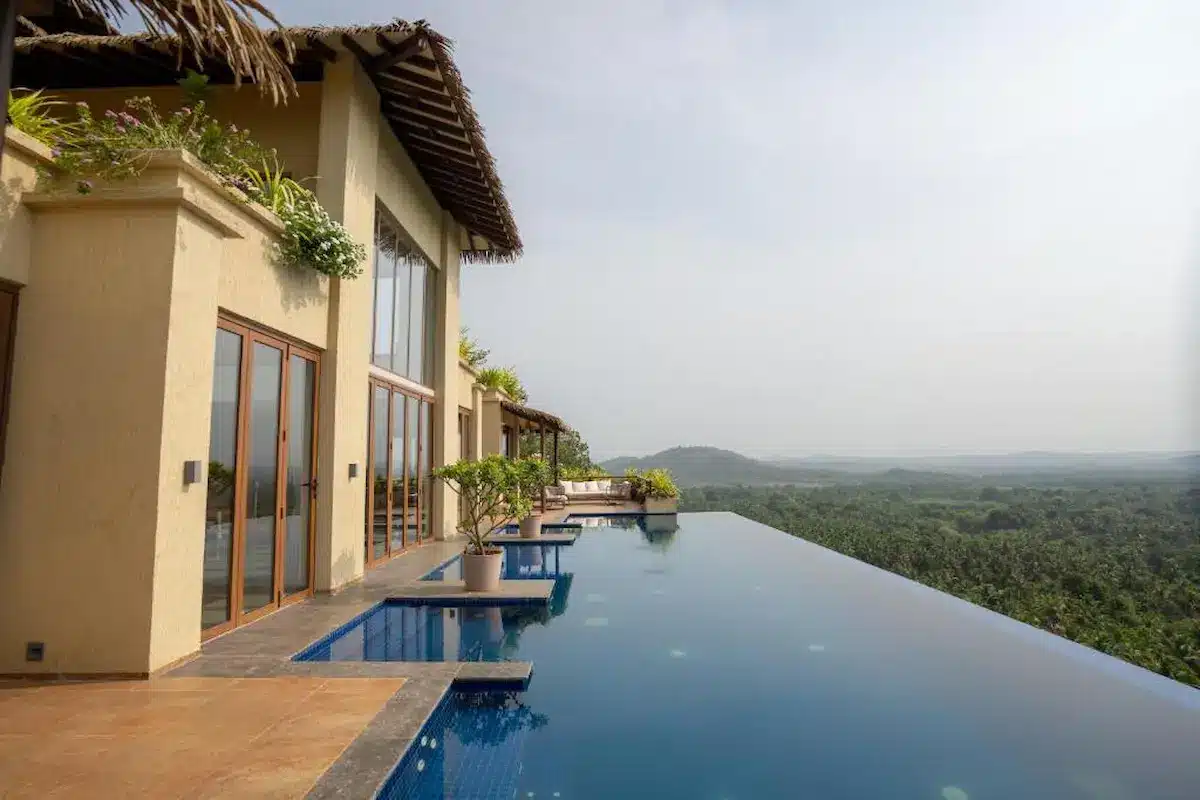
Across the globe, innovative off-grid pool projects are showing just how versatile and beautiful these systems can be. In rural Australia, some homeowners are using solar-powered desalination units to fill their pools with converted seawater. In the Mediterranean, rainwater-fed natural pools have been integrated into hillside gardens, blending seamlessly with the surrounding landscape. Even in urban settings, rooftop pools are being outfitted with photovoltaic panels and advanced recycling systems, proving that off-grid solutions can be adapted to nearly any environment.
Benefits Beyond Sustainability
While sustainability is a major driving factor, off-grid pools also offer practical advantages. Lower utility bills, fewer chemical purchases, and reduced maintenance time are all appealing to homeowners. Additionally, the resilience of having a pool independent from public utilities means fewer disruptions during power outages or drought restrictions. For those in remote locations, it’s often the only feasible way to enjoy a pool without expensive infrastructure upgrades.
Creating Your Own Off-Grid Oasis
Designing and building an off-grid pool requires careful planning and often the expertise of professionals experienced in renewable energy and sustainable water management. While the upfront investment can be higher, the long-term savings and environmental benefits make it worthwhile for many homeowners. By embracing this approach, you can enjoy the luxury of a pool while knowing it operates in harmony with nature—no compromise necessary. If you are looking for pool designs in Charleston, there are contractors that can help.
Also read: 10 Above Ground Pools Design Ideas