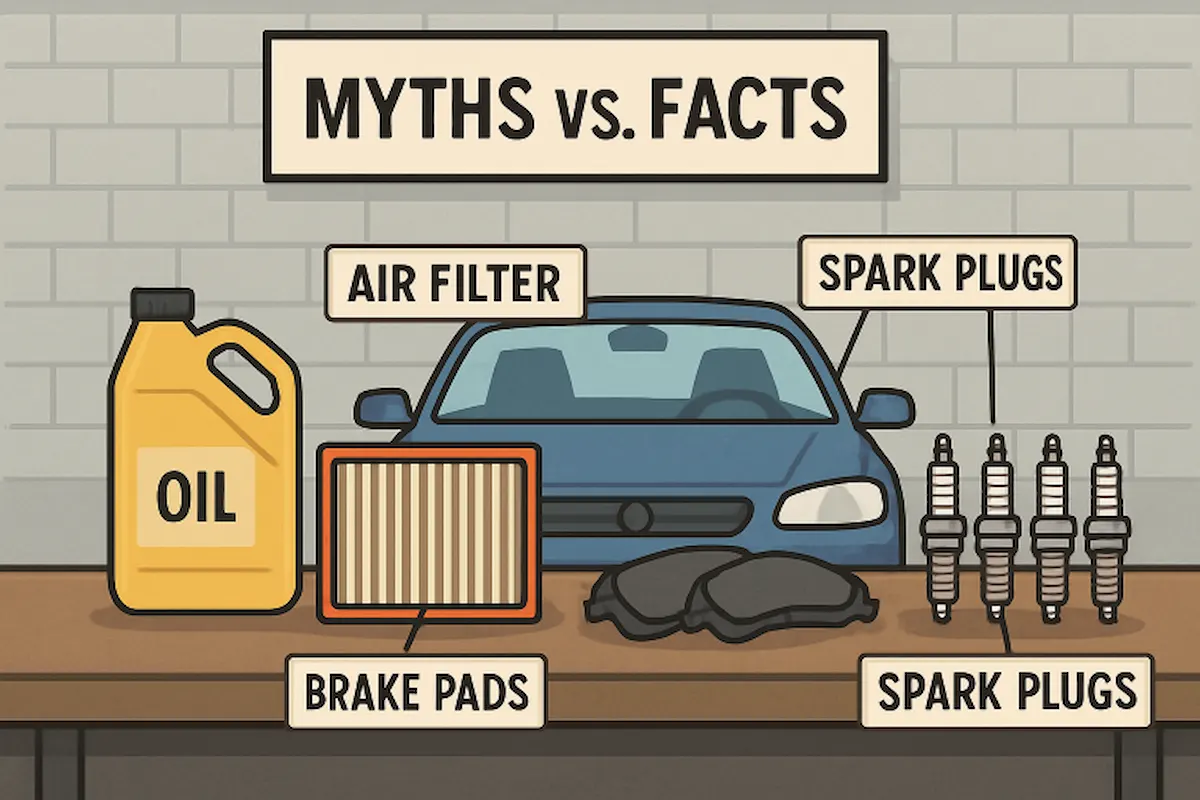
Outdated or misleading auto maintenance advice can lead to unnecessary costs and safety risks. Avoiding common myths and making informed, careful decisions is key to keeping your vehicle safe, efficient, and durable. Knowledge is every car owner’s most valuable asset—whether you’re upgrading your ride or keeping your current daily driver in prime condition. Choosing the right auto parts and sticking to the best practices is essential. Suppose you’re searching for a reliable source of replacement parts or expert guidance. In that case, Tampa auto parts offers access to genuine options and professional advice, helping you navigate the facts and myths about maintenance with confidence.
As urban commutes grow busier, drivers increasingly rely on trusted resources and local experts for guidance. Understanding the basics of auto maintenance and debunking common myths helps prevent unnecessary repairs and protects your investment. Learning evidence-based practices backed by industry standards ensures your car stays in optimal condition.
The Truth About Fuel Additives
Fuel additives are commonly found in auto parts stores and are often marketed as quick fixes to improve fuel efficiency or performance. In reality, most modern vehicles are engineered to run effectively on standard, regulated fuels without the need for extra additives. Unless your vehicle’s manufacturer explicitly suggests a specific additive, frequent use could lead to harmful deposits or disrupt engine performance.
For drivers shopping for a new car, dealerships in Tampa, FL, offer a range of well-maintained vehicles, making it easier to find a model that suits your needs. It’s better to focus on filling up at trusted fuel stations and following the guidance provided in your owner’s manual.
How Often Should You Really Change Your Oil?
The classic rule of thumb—change your oil every 3,000 miles—is largely a thing of the past. Advances in engine technology and oil formulation now mean most vehicles can safely go 5,000 miles or more between oil changes, as confirmed by Consumer Reports. Over-servicing not only wastes money but also has environmental costs. Always refer to your car’s manufacturer-recommended schedule, as factors like modern synthetic oils and driving habits influence the ideal interval for your vehicle.
Air Filter Misconceptions and Engine Performance
While a clean engine air filter is essential for proper combustion, many believe that a slightly dirty air filter will immediately harm fuel economy or damage your engine. In reality, current engines use sophisticated electronic management systems that compensate for moderate airflow reductions. Although you should replace the air filter according to your car’s maintenance schedule, minor dirt won’t tank your mpg or trigger expensive repairs overnight. Over-replacing the filter offers no added benefit—follow the manual, not the myths.
OEM vs. Aftermarket Parts: Does It Matter?
The debate between Original Equipment Manufacturer (OEM) and aftermarket auto parts continues to generate confusion. While OEM parts are designed to fit and function exactly as the original, aftermarket options may offer similar performance at a lower price. For components critical to safety—like brakes or airbags—OEM is generally the safest route.
Still, for non-essential or easily replaced items, quality aftermarket options can be a wise choice. It’s essential to assess the part’s purpose, read reviews, and select parts from reputable manufacturers to avoid problems later on.
Warranty Worries: What Voids Coverage?
Many car owners believe that having repairs completed outside of a dealership or using non-dealer parts will instantly void their warranty. In truth, the Magnuson-Moss Warranty Act protects consumers—it is illegal for manufacturers to void your warranty simply because you used a non-OEM part or a local mechanic, as long as the work meets proper standards. Retain your receipts and records for any services done to safeguard your warranty coverage.
Should You Follow Your Car’s Maintenance Schedule?
Skipping scheduled maintenance may seem harmless, but missing key services, such as timing belt or brake inspections, can result in unexpected breakdowns and major repair expenses. Following your manufacturer’s maintenance schedule is one of the most effective ways to ensure reliable performance and avoid preventable issues, regardless of how you use your vehicle. When in doubt, consult your vehicle’s manual or a trusted automotive expert before delaying essential work.
Also read: Common Questions About Extended Auto Warranties Answered