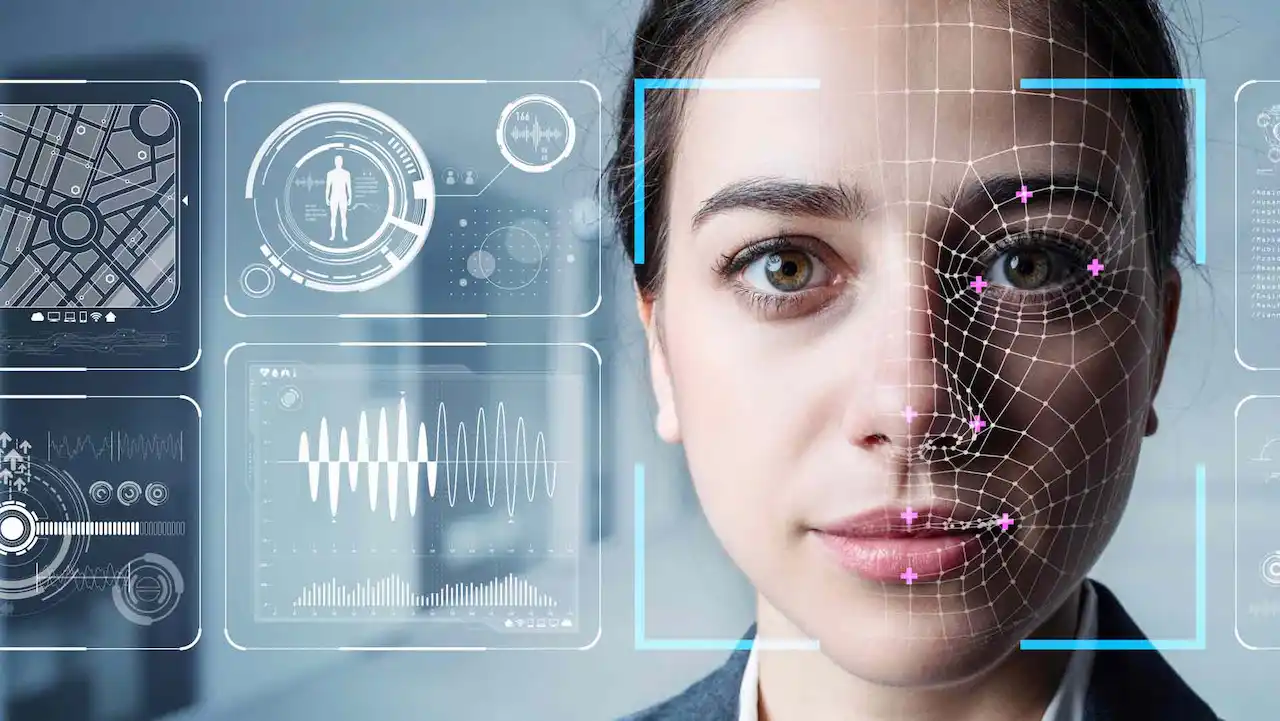
Identity fraud has taken the form of a leading organizational challenge in the digital-first world we live in presently. In the case of e-commerce, as much as in financial institutions, it has never been more important to make sure that a user is who they really are. The old-fashioned means of passwords or one-time codes is not enough any longer, and hackers constantly come up with new techniques to beat the security systems. This is the point of facial liveness detection, which is a groundbreaking technology that only real, live people can successfully go through the identity verification system.
Facial Liveness Detection What Is It?
Facial liveness detection is a biometric security option that can be used to differentiate between a live human face and any fraudulent activities like photos, videos, masks, or deepfake content. Liveness detection, as opposed to simple facial recognition, which is used to check whether a face is associated with a stored image, is applied to establish whether the face presented is real and is associated with a human being that is alive.
As an illustration, when an individual attempts to deceive a system with a printed image of a legitimate user, the technology of facial liveness detection can identify the lack of a natural human behavior, such as blinking, little movements of the face, or depth patterns, and prevent the attempt.
The importance of Liveness Detection
With the increased services going online, fraudsters have advanced in the levels of exploiting security gaps. Stealing identity, hijacking of accounts, and synthetic identity fraud have become widespread. In the absence of the necessary protection, companies face not only the threat of financial losses but also reputational harm and non-compliance with the regulations.
Liveness detection serves as a border control measure to these threats. It makes sure that only signed in users can access it which serves as a powerful defense against the spoofing attacks. One can say that the use of this technology is now a necessity rather than an option in such industries as banking, fintech, healthcare, and government services.
The procedure of Liveness Detection Technology
The effectiveness of liveness detection is based on the fact that it utilizes AI, computer vision, and machine learning in order to distinguish between true and fraudulent faces. In general, liveness detection technology can be divided into two categories:
1. Active Liveness Detection
Active liveness detection involves the system asking the user to do certain actions in order to verify the system. For example:
Smiling or blinking
Rotating the head to a particular direction.
Speaking a random phrase
These measures involve human involvement in real time, so it becomes hard to find a way of deceiving the system with a static photo or a video recorded earlier.
2. Passive Liveness Detection
Passive liveness detection, unlike active approaches, operates quietly in the background and does not demand the user to take any action. The system examines the minute cues on the face, skin texture, and light reflections to ascertain authenticity. Passive liveness detection technology is increasingly popular in any industry where customer convenience is taken seriously due to the fact that it offers a smooth user experience.
Advantages of Facial Liveness Detection
There are a lot of benefits in enacting liveness checking for both businesses and end users.
1. Enhanced Security
The major advantage is that it prevents spoofing attacks. Liveness detection means that fraudsters will no longer be able to circumvent identity verification systems using photos or masks or deep fakes since these methods are no longer useful.
2. Improved User Experience
Liveness detection is easy and fast, unlike complicated verification, which puts the customer off. Onboarding is easy and user-friendly, as most users have to look at the camera of their device within several seconds.
3. Regulatory Compliance
Finance and healthcare are some of the industries that are highly regulated by the Know Your Customer (KYC) and the Anti-Money Laundering (AML) laws. Companies can make sure they comply and protect sensitive information by incorporating liveness detection technology.
4. Cost Efficiency
The losses incurred on identity fraud are in the billions each year. Liveness detection prevents fraudulent entry attempts, which avoids money losses spent by companies to combat fraud and the costs spent on the manual investigation of fraud.
Liveness Detection Technology in the Real World
Liveness detection is a fast-increasing requirement in a variety of fields:
Banking & Fintech: Applied when customers open their accounts online and whilst they engage in online transactions to make sure that the financial services are going to the right individuals.
E-Commerce: Removes counterfeit accounts and fraudulent buying.
Healthcare: Provides safe access to telehealth services and EHRS.
Government Services: Reforces e-passports, e-voting, and other digital identity efforts.
Workplace Security: Assists organizations to adopt effective systems of access control.
Future of Liveness Detection Liveness detection is a technology utilized in authentication to verify the identity of a user.<|human|>Future of Liveness Detection Liveness detection Liveness detection is a method used in authentication to determine whether an individual is authentic.
The necessity of more efficient identity checks will only grow as the deepfake technology is still developing. The next step in developing the liveness detection technology should be the incorporation of biometric aspects, including voice recognition and behavioral analytics, with the face recognition. The resulting multi-layered approach will minimise the possibility of fraud in addition to preserving a smooth user experience.
Solutions powered by AI are also getting more adaptive and learn as new attack types are used and continuously enhance their capacity to recognize advanced spoofing. Companies embracing such technologies in the early stages will have a competitive advantage as they will build relationships with their customers and regulators.
Conclusion
In the digital world, identity protection has never been as significant as it is today. Facial liveness detection extends further than the conventional facial recognition process because it guarantees that not only the correct person is on the other side of the screen but also that it is a live, authentic human being. With the help of an advanced liveness detection technology, businesses are now capable of being ahead of the game in terms of fraudsters, providing a more user-friendly experience, and ensuring regulatory compliance.
Liveness detection is not a feature that organizations add to achieve security over their digital platforms but the basis of modern identity verification.
Also read: Unleashing Productivity: Top Ten Free AI Tools Powering U.S. Professionals in 2025