

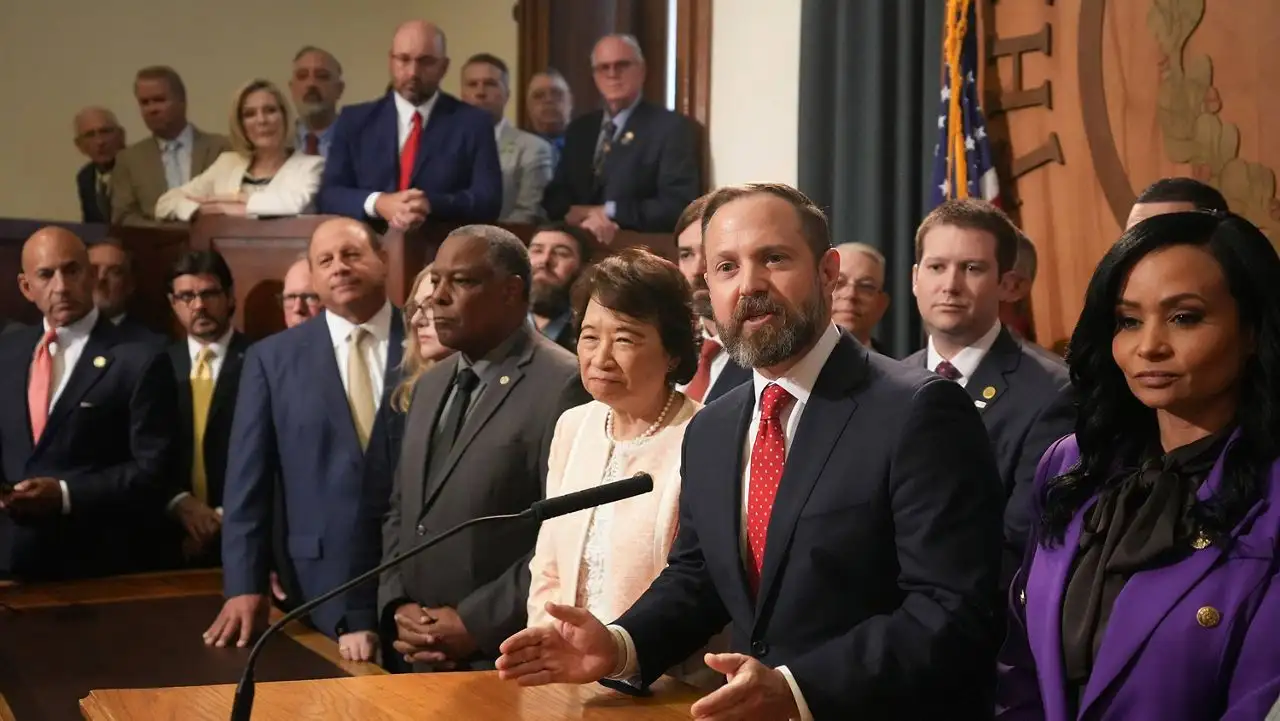
Texas Democrats’ dramatic quorum break in 2021, aimed at stopping restrictive voting legislation, continues to shake the political landscape in profound ways. The state’s Republican-led House is now advancing fines, suspensions, and other penalties targeting those lawmakers who left the chamber in protest. These actions are not merely punitive measures; they reveal a deep rift over democratic processes, minority rights, and how dissent is handled in modern American politics. The evolving story in Texas carries implications that stretch far beyond its borders, shining a spotlight on the delicate balance between majority rule and minority voice in legislative bodies.
Political Ramifications Stir Statehouse Tensions
The Texas House’s recent moves to penalize Democrats who broke quorum reflect a growing impatience with walkout tactics seen as undermining legislative function. Fines, removal from influential committees, and threats of suspension form a package of tools Republicans are using to deter future disruptions. They argue that the legislature cannot operate efficiently if a faction regularly abandons its duties, potentially paralyzing the government. Speaker Dade Phelan has publicly defended these measures as necessary to restore order and uphold the responsibilities entrusted to elected officials.
On the other side, Texas Democrats decry the penalties as excessive and a threat to the rights of minority voices. They emphasize that quorum breaks are a last-resort protest tool used to draw attention to what they perceive as unjust or harmful legislation. Representative Trey Martinez Fischer and other Democrats warn that punishing dissent risks diminishing democratic debate and shutting down avenues for minority opinions to be heard. Public reaction, amplified on social media platforms like X (formerly Twitter), has invigorated supporters across the country. Hashtags such as #StandWithTexasDemocrats have trended widely, illustrating a growing alliance between those advocating for minority protections in government and broader civil rights movements.
This clash in Texas exemplifies a tension inherent in American legislative bodies: how to maintain orderly governance while respecting the rights of dissenters who seek to influence policy and public opinion through disruption. The situation has opened a fresh debate about the limits of partisan power and the role of protest in democracy, particularly when core issues like voting rights are at stake.
National Impact and Ongoing Legal Debate
Texas is not alone in wrestling with the challenge of quorum breaks. Other states, like Oregon, have faced similar episodes where legislatures grappled with walkouts and the question of appropriate penalties. What sets Texas apart is the scale and scope of its retribution efforts, which have attracted intense legal scrutiny nationwide. Constitutional experts highlight the importance of protecting legislative speech and protest, viewing harsh penalties as potentially unconstitutional infringements on fundamental rights.
Legal minds reference Supreme Court precedents that safeguard lawmakers’ rights to express dissent inside and outside legislative chambers, cautioning that punitive approaches could chill necessary acts of conscience. The Brennan Center for Justice, a leading civil rights organization, stresses that such measures weaken democratic governance by restricting minority participation and protest, especially on critical issues like voting access and electoral fairness.
The debate has spurred activists and political leaders to rally public opinion against what they see as an overreach. These voices utilize social media and official platforms to emphasize the need for a balanced approach, one that keeps government functioning but still protects the ability to oppose majority rule when justified. This dialogue is shaping legislative ethics and political norms not only in Texas but also across American states considering similar rules.
As this confrontation plays out under the watchful eyes of the nation, it reveals much about the future of American democracy. Texas’s quarrel over quorum breaks challenges lawmakers and citizens alike to consider how democracy remains vibrant and fair when power dynamics are contested so fiercely. The resolution of this conflict will have lasting consequences for the nature of legislative debate, minority protections, and the health of democratic institutions at every level .
Read also: Sergio Gor: Trump’s Unconventional Pick to Steer US-India Relations


