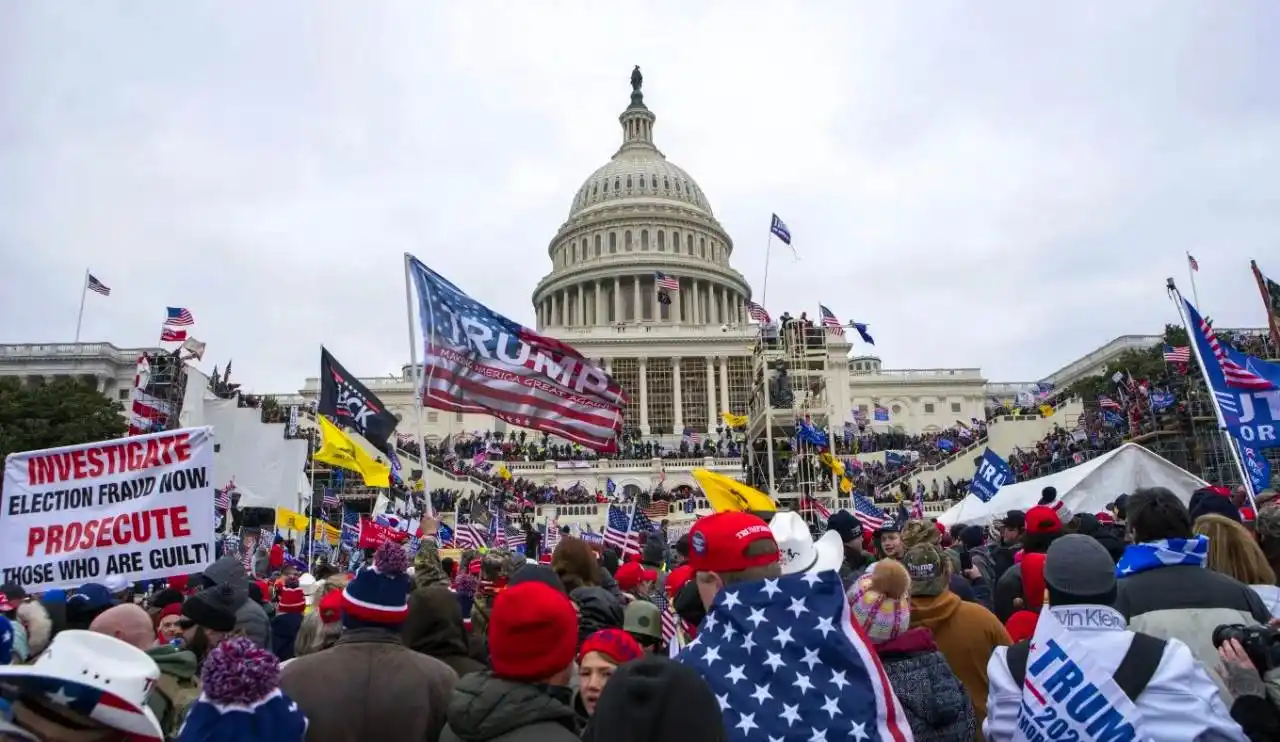
A little-known part of the Constitution has recently become a central point of political debate. Section 3 of the 14th Amendment, often called the Insurrection Clause, was originally put in place after the Civil War to prevent former Confederate officials from returning to power. It bars anyone from holding federal office if they have taken an oath to support the Constitution and then engaged in rebellion against it.
A Historic Clause in the Modern Era
For over a century, this constitutional provision remained largely dormant. However, recent legal challenges have brought it back into the spotlight, sparking a national discussion on its applicability today. These legal efforts sought to use the clause to bar a presidential candidate from the ballot, arguing their actions amounted to engaging in insurrection.
The Supreme Court Weighs In
The Supreme Court ultimately settled the matter in a landmark ruling. In the case of Trump v. Anderson, the court ruled that states do not have the power to enforce the Insurrection Clause against federal officeholders, particularly the President. The court decided that this authority rests with Congress. This decision effectively brought an end to the state level legal challenges, clarifying the role of each branch of government in enforcing the clause. It marked a significant moment in modern constitutional law, shifting the conversation to a new venue.