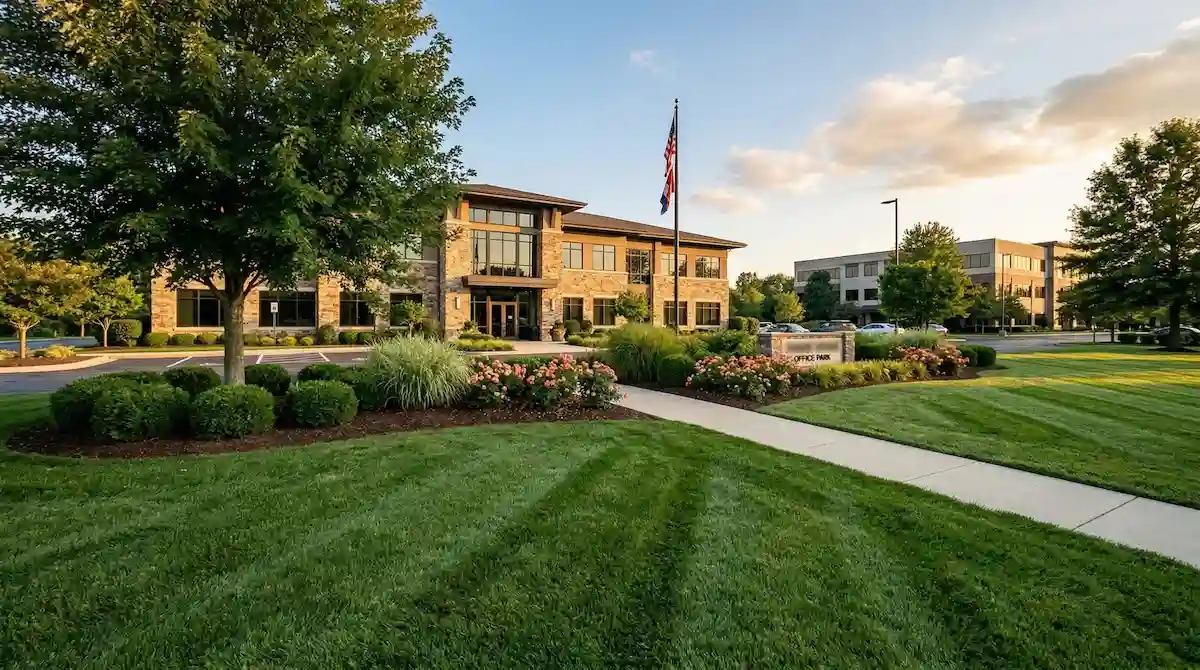
A well-kept school campus looks simple, but this is achieved through careful planning. School’s facilities managers need to fit disruptive grounds work into short periods when classrooms, walkways, playgrounds, and sports areas are less busy. The aim is not to stop all maintenance during term time. It is to get disruptive work done before students return at the end of the summer. Leaving only controlled maintenance during the academic year.
Start With the Academic Calendar
Planning can begin months in advance of summer break. Facilities staff will schedule exams, seasons for sports, summer programs, teacher work days, open houses, and holidays. They will then indicate dates when contractors can work in the facility without restricting normal operations.
The schedule should be designed to accommodate more than just the span of the project. There are additional days that may be needed for procurement, permits, marking, deliveries, inspections, and weather delays. There should also be days built in before reopening to allow contractors to remove equipment, clear work areas, and make any final adjustments.
Separate Major Projects From Routine Care
Summer and extended holidays are ideal times for disruptive projects like rebuilding paths, improving drainage, renovating athletic fields, repairing damaged turf, installing irrigation, removing hazardous trees, and redoing planting beds. Many of these activities are likely to involve excavation or use of large equipment, dust and noise, temporary fencing, or restricted entrances.
During the school year, workers can schedule the tasks like mowing, pruning, leaf collection, and inspection. Crews can also conduct litter patrols or perform other work best done not during busy periods, such as visiting classrooms. Often, work can be scheduled before students arrive or after they are dismissed. Always leave clear boundaries for staff around work sites and keep large equipment off limits to students.
Companies that have experience in educational settings tend to align their operations with school processes. For instance, Cambridge schedules large-scale installations and planting changes during summer breaks or school holidays, if possible, and then sets up regular visits to minimize disruptions during the school year. Its strategy for landscaping for schools and the academic institutions underlines the relevance of taking into account the academic calendar when designing the work schedule.
Make Safety the Main Constraint
The initial point of any agenda should be a risk assessment tied explicitly to the region. Organizers should prioritize studying student pathways, emergency exits, bus routes, parking places, playground limits, entrances’ visibility, and entrances for disabled individuals. For contractors, it may be relevant to secure zones with the use of barriers, restricted entry time, spotters, and special equipment lanes.
Another important consideration is school plant selection. Dangerous-looking or poisonous plants should be avoided near play areas. Also, shrubs and trees with thorns should be avoided. It is important that shrubs, branches, and sprinklers not block vision around the play area. In addition, application of pesticides, playground surfacing, tree pruning or removal, and any change to accessibility must be in compliance with applicable laws, regulations, standards, and district policies.
Time Plant Establishment Carefully
New installations require special care during the first period. Turf, trees, and shrubs need to be watered, monitored, and protected until their roots become established. The time of year when plants are installed should be determined by climate and species, not by school vacations.
Although summer months may be a good time to plant, schools often have to deal with high pressure on irrigation systems and hot weather. Some plants are better planted in early autumn if the establishment period can be scheduled so that it does not conflict with school sessions.
An establishment schedule that includes watering, mulching, staking, weeding, replanting guidelines, and inspection dates should be developed by facilities personnel.
Build a Reliable Handover
Before class begins, managers should review completed work with the contractor. The handover should verify that paths are clear, surfaces are stable, irrigation works are in place, debris is cleared, barriers are secured, and emergency access is maintained. Updated plans, warranties, maintenance notes, and contact details should be stored centrally.
Discipline in scheduling ensures learning hours are protected, risk is minimised and landscaping settlement occurs. It also reduces unanticipated costs and maintains the campus as a safe and functioning environment. Most successful ground programs are invisible because the hard work is done at the right time.
Also read: Navigating Your Future: Essential Tips and Resources for High School Students