Why Deferring Taxes Matters
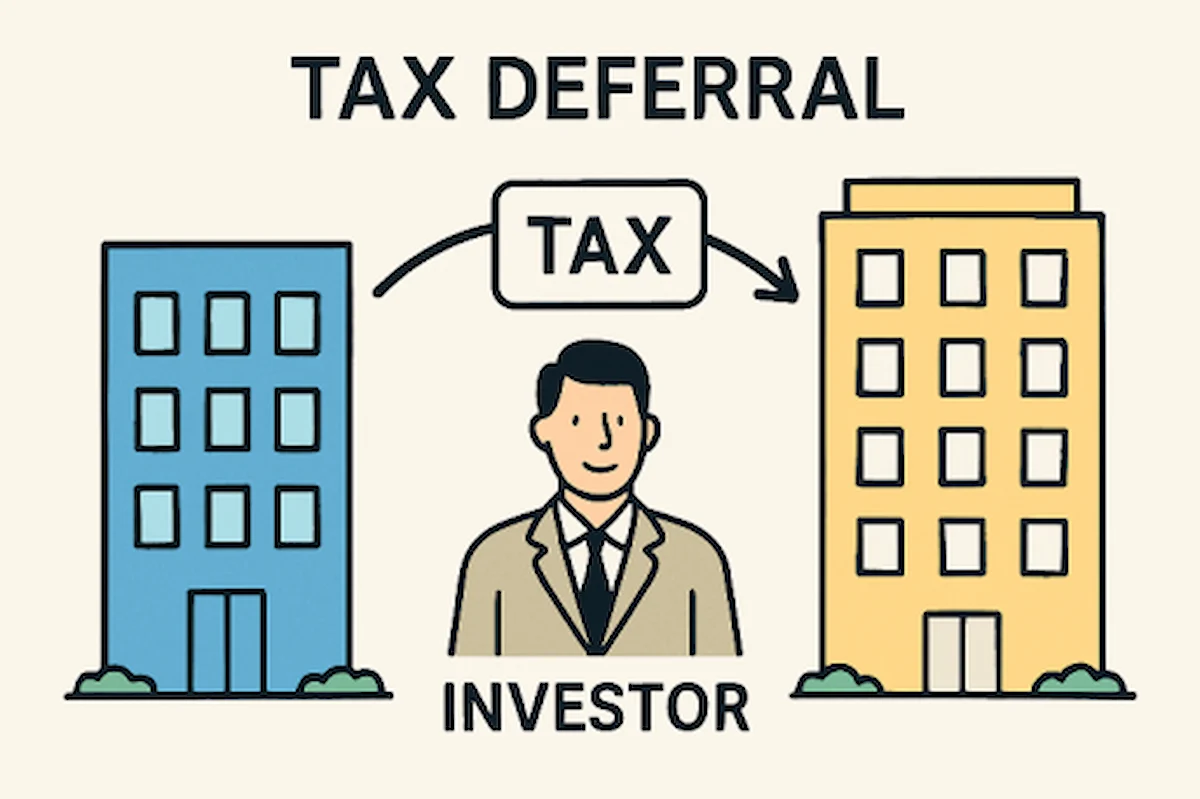
Property investors routinely face the challenge of capital gains taxes when selling real estate. These taxes can significantly erode profits, making it crucial to leverage opportunities to defer them when possible. By keeping more capital in play, investors can expand their portfolios and improve long-term returns. Acting on strategic tax deferral is more than just an accounting tactic—it’s an integral part of building real estate wealth.
One of the most effective and well-established strategies available is the use of like-kind exchanges. This technique, recognized by the IRS, allows investors to reinvest proceeds from the sale of one property into another, thereby deferring capital gains taxes until a future date. Understanding how these exchanges work is a foundational step for anyone looking to maximize their real estate returns. To know more about deferring taxes.
Primary Ways to Defer Taxes in Real Estate
Tax deferment in real estate isn’t limited to 1031 exchanges. Other options include installment sales, where the seller spreads the gain and the associated tax liability over several years, and investments in qualified opportunity zones, which may allow investors to defer or even reduce some capital gains taxes. Each method has a unique set of requirements, timelines, and suitability for varying investment objectives.
The right choice depends on factors such as the investor’s financial goals, time horizon, and risk profile. Professional advice is invaluable, as a misstep can eliminate tax benefits or even trigger unintended tax liabilities. Detailed guidance can be found through accredited tax professionals or by referencing resources like the IRS page on like-kind exchanges.
The Role of 1031 Exchanges
The 1031 exchange, based on Section 1031 of the Internal Revenue Code, lets real estate investors defer capital gains taxes when selling one property and buying another of like kind. Properly executed, it’s a vital tool for growing investment capital tax-deferred. It involves strict timelines: identify a replacement within 45 days and close the case within 180 days. An intermediary usually holds the sales proceeds to ensure compliance. These exchanges are flexible; investors can swap raw land for a commercial building if both are investment properties.
Potential Tax Savings and Future Planning
Using tax deferral methods like 1031 exchanges offers significant benefits. Instead of paying taxes after each sale, investors reinvest full proceeds into larger or higher-performing assets, creating a compounding effect. This leads to bigger deals and higher gains, reinvested under the same strategy. However, tax deferral is not tax elimination; taxes are due when the last property is sold unless other strategies are used. Smart investors, with professional help, can use these savings to grow faster and plan future tax events.
Common Misconceptions
- Deferment means delay, not elimination: The eventual tax bill does not disappear, so it’s essential to plan accordingly.
- “Like-kind” is broader than most assume: Properties need not be identical; as long as both are investment assets, many types qualify.
- These strategies aren’t just for big investors: Individual property owners and small-scale investors can benefit, not just large corporations or funds.
Key Rules to Know
Successfully executing a tax-deferred exchange comes down to compliance with several critical rules:
- Strict Deadlines: There are two main cutoff points—the identification of replacement property within 45 days after the original sale and completing the exchange (closing on the new property) within 180 days.
- Equal or Greater Value: To defer all your gains, the value of the replacement property must be equal to or greater than the property sold. Partial equity replacement can trigger a partial tax bill.
- Use of a Qualified Intermediary: Proceeds from the sale cannot be held directly by the investor; instead, they must be managed by a neutral third party until the exchange is complete.
Failing to comply with any of these rules can result in immediate taxation, thereby undermining the benefits of deferment. For more details, refer to The New York Times’ overview of 1031 exchanges.
Common Pitfalls to Avoid
The complexity of tax-deferred real estate investing means there are several potential missteps. Missing deadlines, failing to use a qualified intermediary, or misunderstanding what qualifies as “like-kind” are some of the most common and costly errors. In addition, relying solely on outdated or DIY advice can lead to missed details, especially as tax laws continue to change. Engaging experienced professionals—such as attorneys, accountants, or specialized facilitators—can help mitigate these risks and navigate the evolving landscape of real estate investing.
Conclusion
Deferring taxes isn’t just a financial loophole—it’s a strategic tool that helps property investors preserve capital, reinvest profits, and build long-term wealth. By understanding the rules, timelines, and options available, investors can keep more of their money working for them instead of losing it to immediate tax obligations. With the right guidance and careful planning, tax deferral becomes less about avoiding payments and more about creating opportunities to grow, diversify, and future-proof an investment portfolio.
Resource
https://www.comerica.com/insights/wealth-management/wealth-preservation/1031-exchange.html
https://www.investopedia.com/articles/tax/08/real-estate-reduce-tax.asp
Read also: 3 Things to Know About Getting a Villa for Sale in Dubai