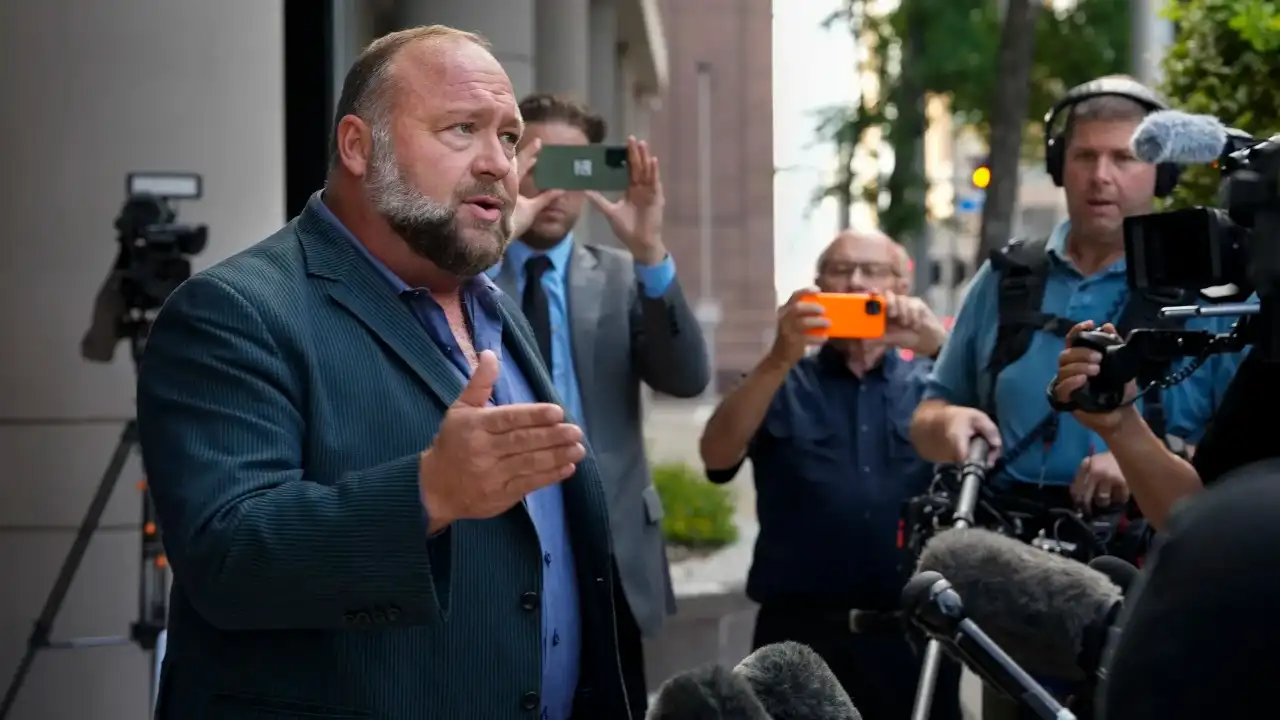
It’s been a long road for Alex Jones and the millions who’ve tuned in to his far-right broadcasts over the past two decades. On August 14, 2025, a Texas judge ordered the assets of InfoWars, Jones’s notorious conspiracy-fueled media empire, be liquidated to settle over $1 billion in legal judgments owed to families of Sandy Hook victims. The ruling wasn’t just about closing one chapter on protracted courtroom battles—it signaled the end of the Jones era in fringe media, and set InfoWars on a path toward new stewardship.
This seismic courtroom moment was the culmination of years of lawsuits brought by families shattered after the Sandy Hook tragedy in December 2012. Their legal breakthrough in 2022 resulted in nearly $1.5 billion awarded in damages. Jones, who had repeatedly pushed the false narrative that the shooting was a hoax, was found liable for defamation and emotional distress, with family members courageously sharing stories of harassment and threats from his followers. The struggle did not end in the courtroom—Jones slid into bankruptcy, scrambled to protect his brand, and continued broadcasting defiantly from new studios, vowing to keep his voice alive.
The Aftershocks: InfoWars and America’s Fractured Information Ecosystem
The sale of InfoWars isn’t just a blow to Jones; it reverberates across a fractured media landscape. Jones drew tens of millions with claims and content that often went viral—not just online but across mainstream channels, rapidly amplifying conspiracy-driven conversation that coalesced around figures like Donald Trump. The transformation of InfoWars from a driver of far-right thinking to (potentially) a parody platform under The Onion and the influence of organizations like Everytown for Gun Safety could herald a new era for the brand, if not an outright end to its notoriety.
But in the broader context, Jones’s legacy persists. Analysts warn of a media climate where divisive rhetoric finds new homes, as content-moderation rules relax on major platforms. The erosion of trust and the mainstreaming of fringe ideas have proven difficult to contain, especially as new venues—like Elon Musk’s steered X (formerly Twitter) and video platforms such as Rumble, give voice to similar views and audiences hungry for controversy. The court’s actions may help Sandy Hook families secure overdue accountability, but the challenge of disentangling misinformation from American discourse remains daunting.
Read also: Trump revokes Secret Service detail for Kamala Harris