

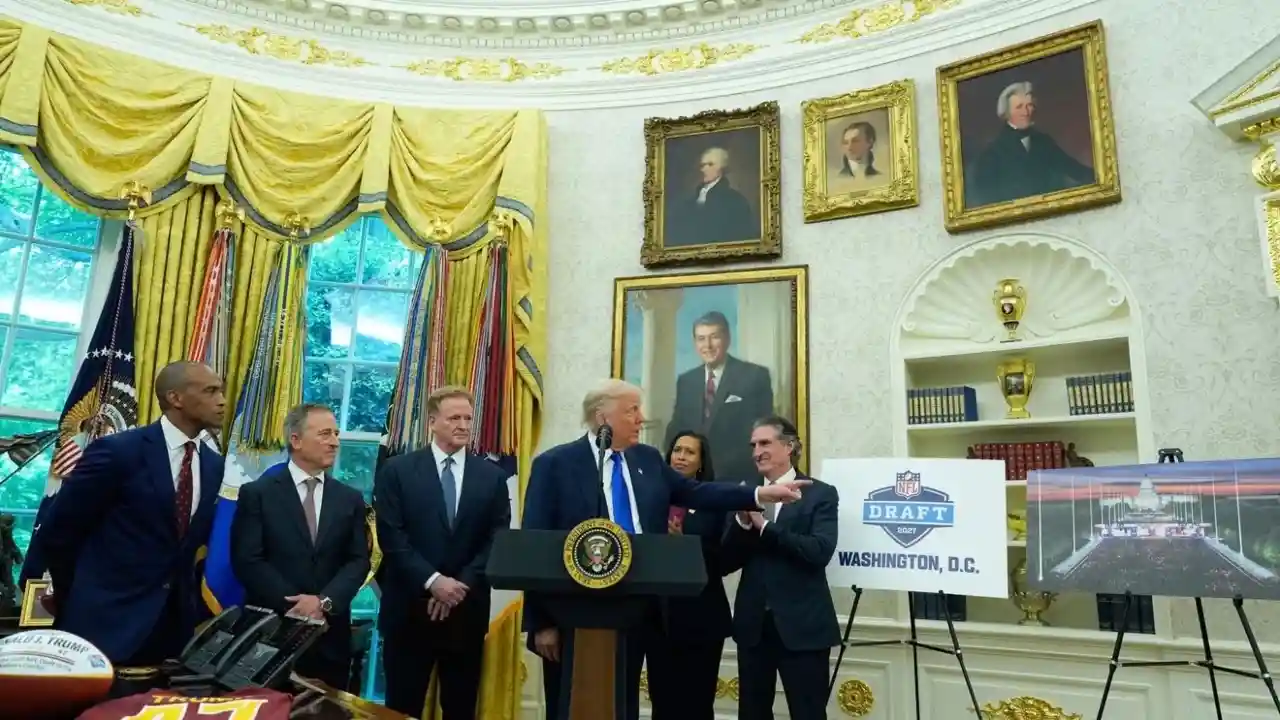
On August 22, President Donald Trump took to the Oval Office to address the nation at a tense crossroads. With the backdrop of FBI agents conducting a raid at former national security adviser John Bolton’s home, Trump’s announcement arrived amid swirling speculation regarding classified documents and White House priorities. The timing couldn’t be more charged, with both national security concerns and whispers of economic policy changes on the table, such as Federal Reserve Chair Jerome Powell’s potential plans to lower interest rates, a move the administration has been urging for months.
Trump’s address, while not revealing every detail, signalled a direct response to Washington’s evolving challenges. His recent meeting with Ukrainian President Volodymyr Zelenskyy and outreach for a summit with Russian President Vladimir Putin hints at his desire to position the United States at the center of global diplomacy. The president ruled out sending U.S. ground troops but insisted that air support and security guarantees might be in the cards—a delicate balancing act that reflects both resolve and restraint as pressure mounts internationally.
New Mandate, Old Battles: From Crime in D.C. to the 2026 World Cup
Trump’s presidency has always been marked by dramatic gestures and headline-grabbing moves, and this announcement built on that reputation. Earlier this August, he invoked a “crime emergency” in Washington, D.C., and, in an unprecedented move, assumed control of the local police department under the District of Columbia Rule Act. This shift placed over 2,000 federal and state personnel in the city, drawing both sharp criticism and lawsuits from local officials and residents who argued that civil liberties were being trampled and local governance undermined.
What’s more, credible sources linked this announcement to the upcoming 2026 World Cup, underscoring an effort to shape America’s image as both a global sports power and a diplomatic heavyweight. The administration’s agenda remains unabashedly populist and nationalist, championing tough stances on immigration, sweeping tax cuts, and a “law and order” ethos that often puts Trump at the center of controversy. With his cabinet and new vice president JD Vance behind him, the president is setting out not just to respond to emergencies but to refashion the American narrative for his latest term.
Read also: Laura Loomer and the New Age of Political Loyalty Policing


