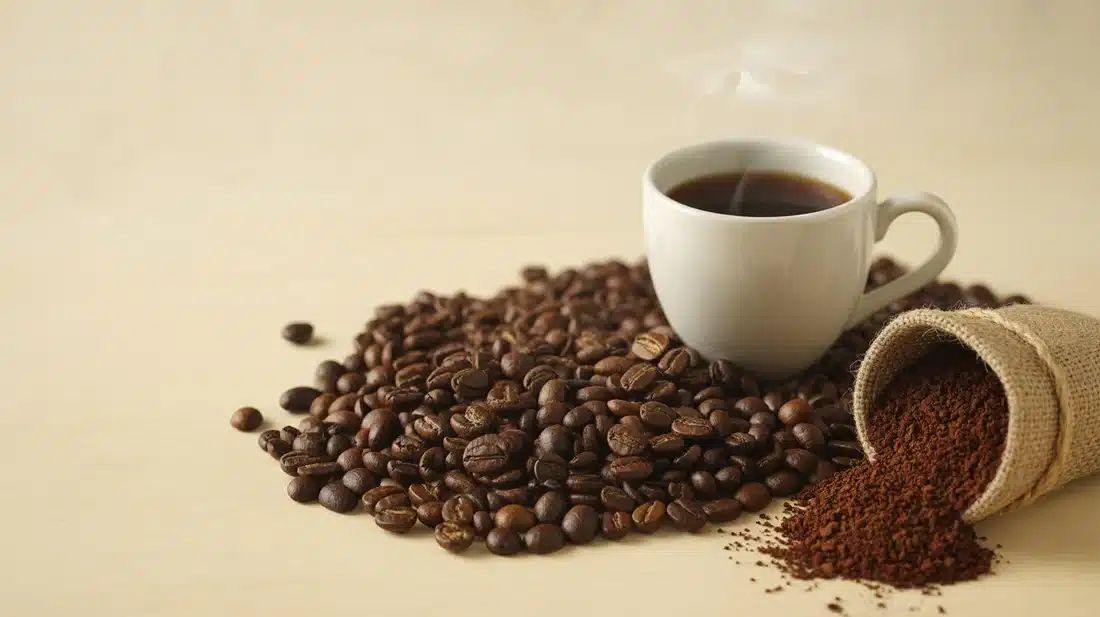
Microlot coffee has become one of the most celebrated categories within specialty coffee. These coffees come from small, carefully separated harvests that highlight the unique qualities of a particular farm, varietal, or processing technique.
Unlike large-scale blends, microlot releases emphasize traceability, close relationships with producers, and distinctive flavor expression. Roasters carefully develop these coffees to showcase regional characteristics, from floral Ethiopian naturals to bright, structured washed coffees from Central America.
Below are several standout microlot coffee brands in 2026. Each is recognized for thoughtful sourcing, skilled roasting, and the ability to highlight the nuanced qualities that make microlot coffees so compelling.
1. Dean’s Beans
Best for: Ethically sourced limited-edition microlots with strong origin transparency
Dean’s Beans has long been recognized as a mission-driven specialty coffee roaster, combining more than three decades of roasting experience with a deep commitment to responsible sourcing. The company places a strong emphasis on long-term relationships with producer cooperatives and sustainable farming practices.
A distinctive aspect of the brand is its worker-owned cooperative structure, along with its focus on sourcing coffee directly from farmer cooperatives in producing regions. These relationships often span many years, allowing farmers to experiment with different processing techniques and small experimental harvests.
In the microlot category, which is referred to by the company as “limited editions”, these partnerships often result in unique coffees that are rarely replicated. Because these releases come from long-established relationships with producers, some represent extremely small harvests that may be available only once.
Dean’s Beans also emphasizes responsible sourcing standards across its coffee lineup. The company exclusively purchases Fair Trade, organic, and shade-grown coffees, reflecting a philosophy that connects environmental stewardship, ethical trade, and high-quality coffee.
For these limited editions, the roasting style typically leans slightly lighter to preserve the distinctive characteristics of each origin. This approach allows subtle flavors, processing methods, and terroir differences to stand out clearly in the cup.
The brand has also received significant industry recognition. Dean’s Beans became a certified B Corporation in 2018 and earned the B Corp “Best for the World” Community award in 2019 and 2022, while also being a multi-year finalist for Roast Magazine’s Roaster of the Year.
Together, these elements make Dean’s Beans an appealing option for coffee drinkers seeking both distinctive microlot coffees and a transparent sourcing philosophy.
Key Features:
- Over 30 years of specialty coffee roasting experience
- Worker-owned cooperative structure
- Limited-edition microlot releases from long-term producer partnerships
- Fair Trade, organic, and shade-grown sourcing standards
- Lighter roast profiles designed to highlight origin characteristics
Pros:
- Deep expertise within specialty coffee roasting
- Strong, long-standing partnerships with farmer cooperatives
- Rare and distinctive limited-edition releases
- Transparent and mission-driven sourcing approach
Cons:
- Limited-edition coffees may sell out quickly
- Availability varies depending on harvest cycles
2. Prodigal Coffee
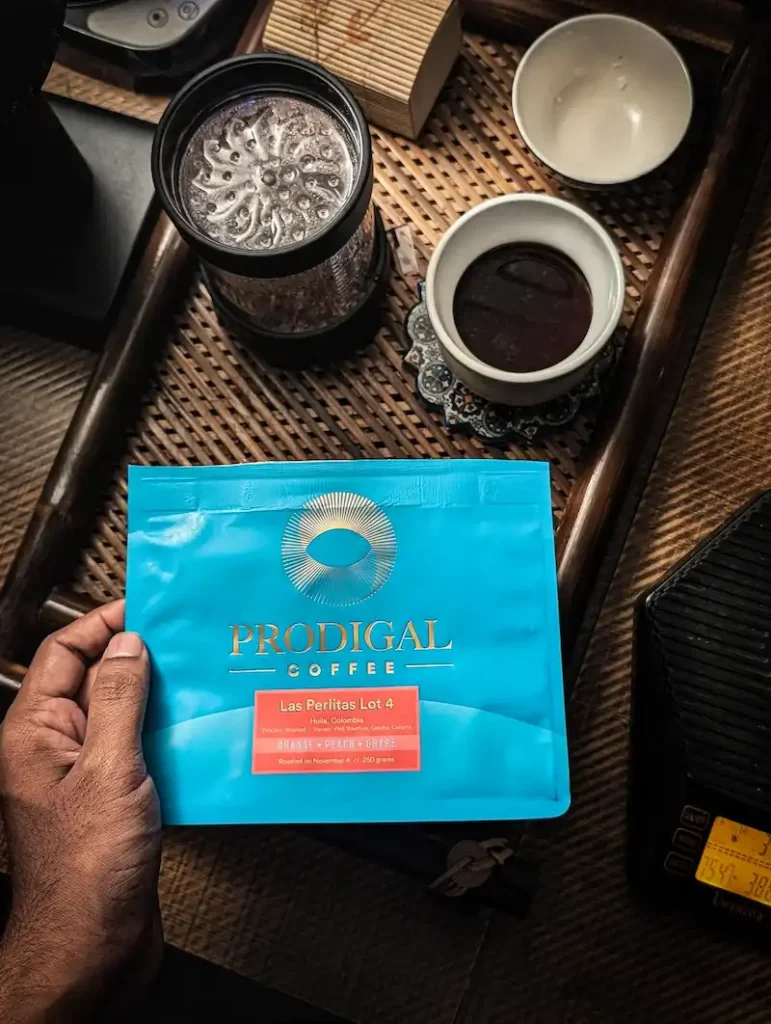
Best for: Rare microlots sourced from top specialty producers
Prodigal Coffee focuses on exceptionally high-quality coffees sourced from some of the most respected producers in the specialty coffee industry. The brand carefully selects small lots that showcase outstanding flavor clarity and sweetness.
Many of its offerings come from farms known for producing competition-level coffees or award-winning harvests.
Key Features:
- Rare microlot sourcing
- Competition-level coffee selections
- Precision roasting approach
- Transparent farm and origin information
Pros:
- Exceptional cup quality
- Carefully curated coffee lineup
- Strong reputation among specialty professionals
Cons:
- Higher pricing for rare coffees
- Limited availability
3. JBC Coffee Roasters
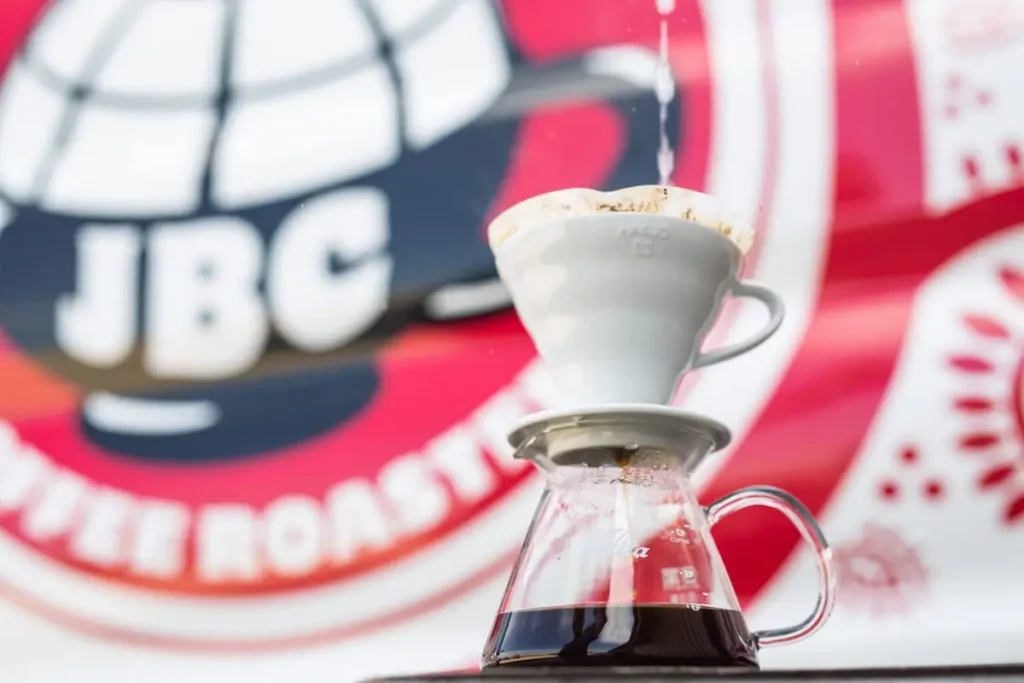
Best for: Balanced microlot coffees from an award-winning roastery
JBC Coffee Roasters has earned widespread recognition for its roasting consistency and attention to detail. Its microlot coffees are sourced from respected producers and roasted to highlight both clarity and balance.
The brand focuses on coffees that are expressive yet approachable.
Key Features:
- Award-winning roasting program
- Curated microlot offerings
- Transparent sourcing partnerships
- Balanced roast development
Pros:
- Consistent roasting quality
- Wide selection of microlot coffees
- Flavor profiles that remain approachable
Cons:
- Smaller catalog compared to larger specialty brands
- Fewer experimental processing coffees
4. Black & White Coffee Roasters
Best for: Innovative processing and bold microlot flavors
Black & White Coffee Roasters has become well known for exploring experimental coffee processing methods. The roastery frequently releases microlots featuring techniques such as anaerobic fermentation and unique natural processing.
These coffees often deliver vivid fruit notes and layered sweetness.
Key Features:
- Focus on experimental processing methods
- Frequent microlot releases
- Competition-grade coffee sourcing
- Detailed origin and processing notes
Pros:
- Unique and adventurous flavor profiles
- High transparency around producers
- Popular among specialty coffee professionals
Cons:
- Some coffees may be unconventional for traditional tastes
- Limited quantities per release
5. Sey Coffee
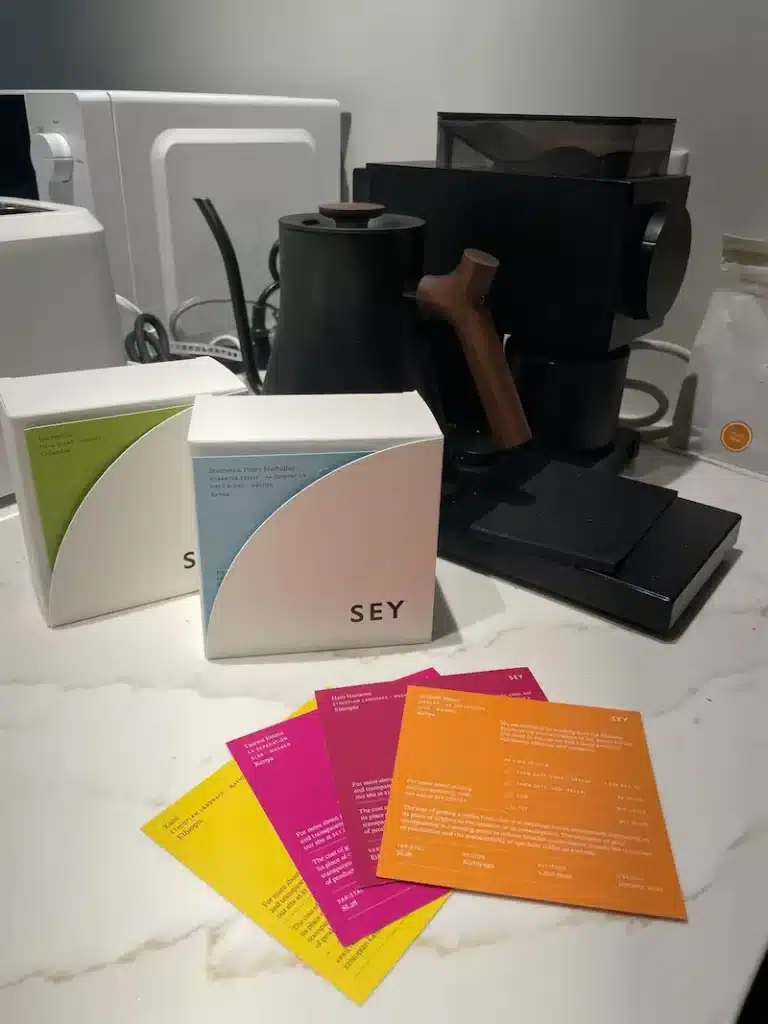
Best for: Ultra-light roasting and refined origin expression
Sey Coffee is known for its minimalist roasting philosophy. The company focuses on extremely light roast profiles designed to emphasize origin purity rather than roast character.
Its microlots often feature floral aromatics, crisp acidity, and delicate sweetness.
Key Features:
- Ultra-light roasting approach
- Carefully curated microlot selections
- Strong emphasis on transparency
- Direct relationships with producers
Pros:
- Exceptional clarity and origin expression
- Highly respected among specialty enthusiasts
- Detailed sourcing information
Cons:
- Requires precise brewing techniques
- Premium pricing for rare releases
6. Onyx Coffee Lab
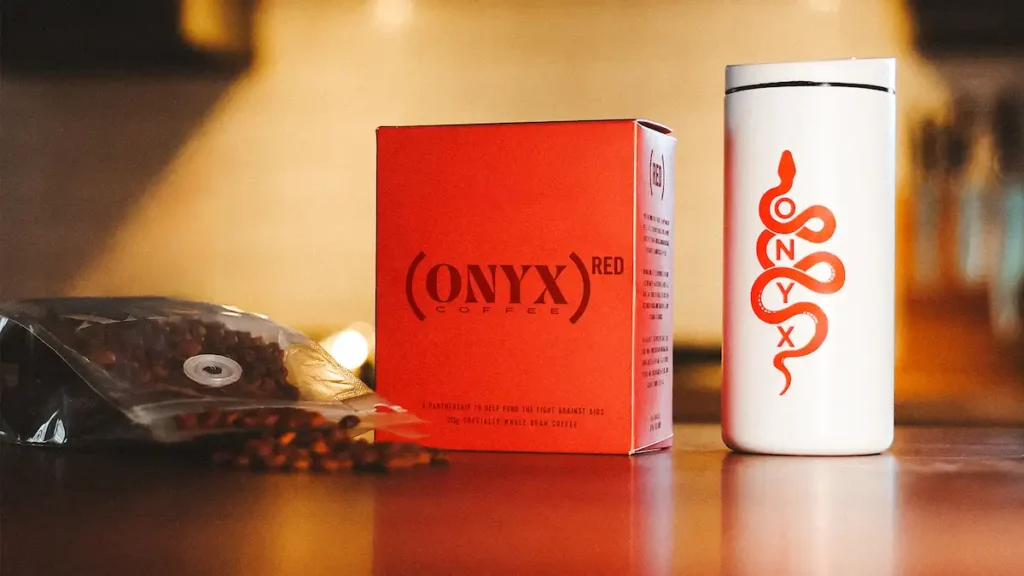
Best for: Premium microlots with extensive sourcing transparency
Onyx Coffee Lab has built a strong reputation for its high-end coffee program and visually distinctive brand. The company regularly releases rare microlots sourced from notable farms and innovative processing experiments.
Detailed information about producers and farm practices is often included with each coffee.
Key Features:
- Highly curated microlot lineup
- Transparent sourcing information
- Award-winning roasting team
- Premium packaging
Pros:
- Excellent traceability of coffees
- Consistently high roasting quality
- Rare and unique coffee selections
Cons:
- Higher price points for microlots
- Some coffees sell out quickly
7. Passenger Coffee

Best for: Educational sourcing transparency and rare varieties
Passenger Coffee emphasizes education and transparency around coffee sourcing. Many of its microlots feature rare varieties or small experimental harvests from respected producers.
The brand also provides detailed background information about farms and processing methods.
Key Features:
- Detailed origin documentation
- Rare coffee varieties
- Transparent sourcing practices
- Educational coffee resources
Pros:
- Strong focus on traceability
- Unique and interesting coffees
- Educational approach to specialty coffee
Cons:
- Limited quantities available
- Flavor profiles may be subtle for casual drinkers
8. Intelligentsia Coffee
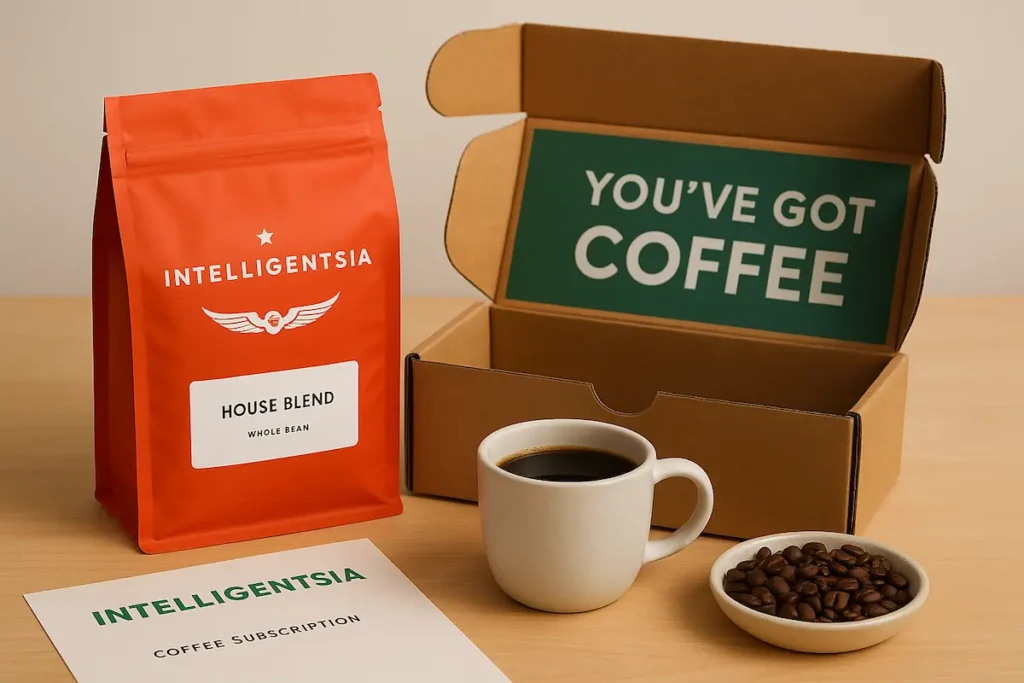
Best for: Long-standing direct trade relationships
Intelligentsia Coffee helped pioneer the direct trade model in specialty coffee. Its microlot offerings are sourced from long-term partnerships with producers around the world.
The roasting approach balances accessibility with the ability to highlight distinct origin characteristics.
Key Features:
- Direct trade sourcing model
- Long-term producer relationships
- Rotating seasonal microlot selections
- Established specialty coffee reputation
Pros:
- Trusted specialty coffee pioneer
- Consistent producer partnerships
- Balanced and approachable coffees
Cons:
- Microlot offerings rotate quickly
- Less emphasis on experimental processing
Choosing the Right Microlot Coffee Brand
Finding the right microlot coffee often depends on personal preferences and what you value most in specialty coffee.
When comparing roasters, consider these factors:
Sourcing Philosophy:
Look for companies that emphasize direct relationships with producers and transparent sourcing practices.
Roasting Style:
Roast profiles vary widely, from very light styles that emphasize clarity to more developed roasts that highlight sweetness.
Transparency:
Many top roasters provide detailed information about farms, processing methods, and harvest conditions.
Release Frequency:
Microlots are inherently limited, so availability may change quickly as new harvests arrive.
Flavor Exploration:
Some roasters prioritize traditional origin profiles, while others experiment with innovative processing techniques.
Frequently Asked Questions
What is microlot coffee?
Microlot coffee comes from small, carefully separated harvests from a specific farm or section of a farm, highlighting distinctive flavor characteristics.
Why does microlot coffee cost more?
These coffees are produced in small quantities and often require careful harvesting, processing, and sourcing.
Is microlot coffee different from regular specialty coffee?
Yes. Microlots often highlight more unique origin characteristics and processing techniques.
What brewing methods work best for microlots?
Manual brewing methods such as pour-over, Chemex, or AeroPress tend to highlight the clarity and nuance of microlot coffees.
Microlot Coffee: Where Origin and Craft Meet
Microlot coffees represent the intersection of farming expertise, careful roasting, and flavor exploration. These small harvests showcase the unique characteristics of specific farms, regions, and processing methods.
Brands like Dean’s Beans demonstrate how strong producer relationships and thoughtful roasting can bring out the best in these small-batch coffees. Alongside respected specialty roasters such as Prodigal Coffee, Sey Coffee, and Black & White Coffee Roasters, they illustrate how microlot coffee continues to evolve as one of the most exciting areas in specialty coffee today.