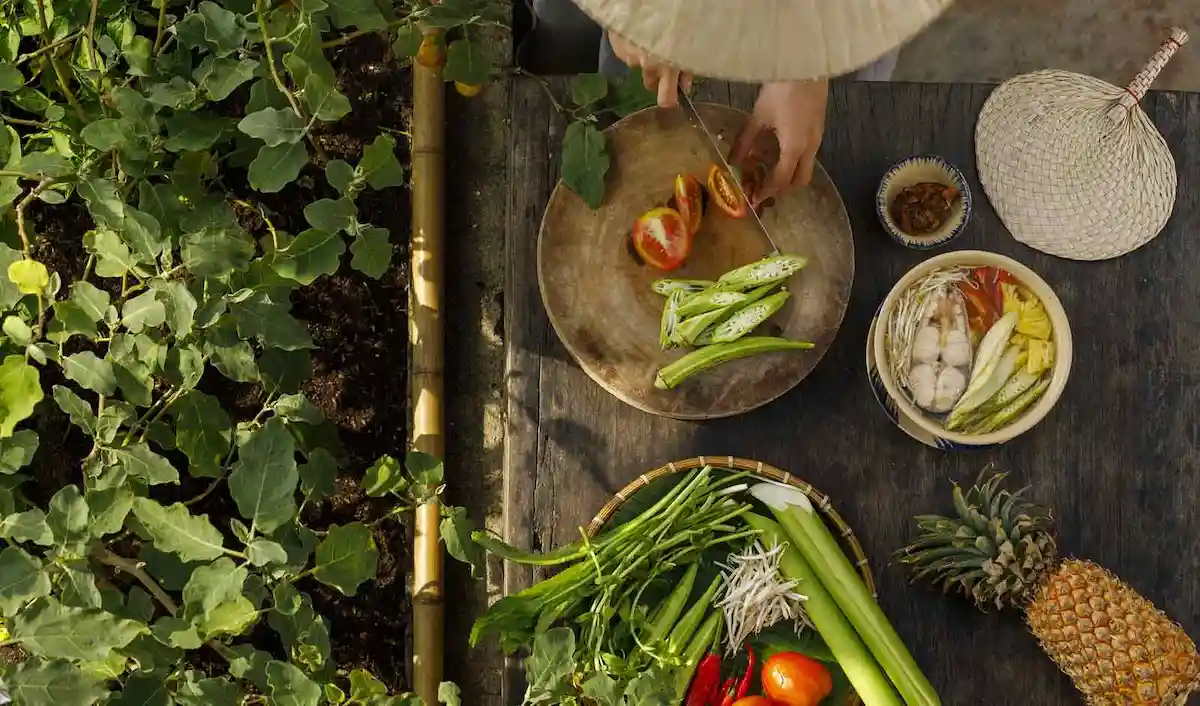
Building a seasonal menu that delights everyone requires ditching rigid packages and embracing local British produce that fits the time of year. You need flexible formats like sharing feasts or curated tasting menus that naturally include top-tier vegetarian and gluten-free options. That is the secret right there. It makes the food taste fresher and feel much more personal to your specific venue.
Some people call it a “wedding breakfast,” while others just want a ‘massive party feed’. Whatever you call it, the principles remain exactly the same.
Why seasonal food actually matters
People often ask if seasonal produce really makes a difference to taste and cost. I think it absolutely does. When you pick ingredients harvested at the right time locally, they are fresher and pack way more flavor. You are getting food that has not been sitting in a shipping container for three weeks. It just makes sense.
Chefs can design dishes around peak quality.
This means the tomatoes actually taste sweet and the greens have a proper crunch to them. It sounds so simple, but it completely changes the dining experience for your guests. If you are looking for wedding catering Surrey you want a team that already has strong relationships with regional farms and dairies. That local connection is what guarantees the quality on the plate.
I remember going to a wedding a few years back where they served strawberries in December. They were rock hard and tasted like water. Just terrible. If they had just leaned into a rich winter pudding it would have been incredible. You cannot force nature to give you good summer fruit in the dead of winter. It just does not work like that.
Picking the best ingredients for spring
Spring is a brilliant time for food in the UK. You get this sudden burst of green after a long dreary winter. British asparagus is fantastic, and tender spring greens bring a lot of life to a plate.
We start seeing radishes and wild garlic popping up everywhere.
A good caterer will build dishes around these delicate flavors. Think light salads & roasted new potatoes. It feels fresh. The lamb is incredibly tender at this time of year too. You can serve it pink with some early soft herbs, and it just sings.
I always feel like spring menus should reflect that sense of renewal. You do not want anything too heavy. You want vibrant colors and clean flavors that wake up the palate.
Working with early harvests
Sometimes the spring weather is unpredictable. A late frost can delay certain crops. This is where a bespoke menu really shines. Your chef can pivot and swap out an ingredient if it is not quite ready yet. Flexibility is absolutely crucial when you are relying on local farms.
Summer menus and relaxed dining formats
Summer is when things get really colourful. Tomatoes actually taste like tomatoes and you have courgettes and broad beans to play with. Stone fruits make the best desserts.
This is the perfect time for relaxed sharing platters. Guests can just grab what they want.
It makes it so much easier to accommodate different tastes when people can pick and choose from a massive spread on the table. You throw some grilled meats or fish into the mix, and suddenly you have a feast. The food is often prepared over an open fire, which adds a great smoky flavor.
Outdoor live stations are brilliant in the warmer months. People love watching their food being cooked outside. It adds a bit of theater to the whole day.
Think about the smell of a barbecue wafting across a lawn. It instantly makes everyone feel relaxed. Formal sit-down meals can sometimes feel a bit stiff in the heat. A grazing table loaded with local cheeses and fresh berries is much more inviting.
Warming up with autumn and Winter dishes
When autumn rolls around, the menu needs to shift. We are talking about root vegetables like parsnips and beetroot. Squash and pumpkins bring these gorgeous earthy tones to the table. Game meats start making an appearance.
Then winter hits, and you want pure comfort. Slow-cooked beef or venison.
Rich sauces and robust brassicas like kale. Nobody wants a flimsy salad in a freezing cold barn. They want warm spices and hearty portions that make them feel looked after.
I think people underestimate how much the weather dictates our appetite. A steaming hot plate of braised beef with celeriac purée is EXACTLY what you need when it is pouring with rain outside.
Comfort food done well
You can elevate comfort food so it feels appropriate for a special event. A roast dinner is great, but a beautifully plated piece of slow-cooked lamb with dauphinoise potatoes is spectacular. It is all about the execution and the quality of the raw ingredients.
Moving away from boring fixed packages
Why do so many events still rely on the standard chicken or fish option? It feels incredibly dated.
Couples are increasingly choosing bespoke menus. This means collaborating with chefs to choose courses that actually reflect their personal tastes. You get to build something that tells your own story.
Maybe you want a street food van for the evening or a highly curated tasting menu. The point is you get to decide.
It is your event. You shouldn’t be forced into a rigid three-course box just because it is easier for the kitchen. A good catering team will listen to what you love to eat and figure out how to serve it beautifully to a hundred people.
I always tell people to trust their own palate. If you love spicy food, then incorporate some spice. Do not water down your tastes just because you are worried about pleasing a distant relative.
Handling tricky dietary requirements with care
You cannot ignore dietary needs anymore. Recent data shows a massive chunk of guests declare at least one requirement. You will always have vegetarians and vegans and gluten-free guests.
Vegetarian and vegan options need to be just as visually appealing as the meat dishes. A stuffed pepper just doesn’t cut it.
Allergies are a serious business too. You definitely need a team that understands cross contamination & safe prep areas. Food safety is not something you can just wing on the day.
When a vegan guest gets a meal that looks just as complex and delicious as the main roast, they feel valued. That is how you delight every guest. You treat their dietary needs as an opportunity to be creative rather than a massive inconvenience.
Making inclusive menus
The trick is to design side dishes that everyone can eat. If your potatoes are roasted in olive oil instead of goose fat, then the vegans can enjoy them too. It simplifies the kitchen service and makes the meal feel much more cohesive.
Finding the right serving style
The way food is served changes the whole vibe of the room. Plated meals provide strong visual impact for formal venues. They keep things structured and elegant.
I once tried to eat a sloppy burger in a tuxedo at a fancy hotel. It was a disaster, and I ruined my best shirt. Anyway, the serving style needs to match the setting. You would not serve a messy taco in a historic country house dining room.
Grazing tables work brilliantly for daytime receptions in marquees.
They encourage people to mingle and chat. Sharing plates are fantastic for long trestle tables in rustic barns. You just have to think about the physical space and how you want your guests to interact with each other.
A tasting menu is another brilliant option if you have a smaller guest list. It allows the chef to show off multiple seasonal ingredients over several small courses. It turns the meal into the main event.
Common questions about seasonal event menus
People always ask if a bespoke menu is more expensive than a package. It really depends on the ingredients and the format. A seven-course tasting menu will cost more than a relaxed barbecue.
Another common question is how far in advance you should confirm the food. Usually you draft it months ahead & fine-tune it closer to the date based on what is actually growing. Nature does not always stick to our schedules.
Guests also wonder if they can incorporate family recipes. A good chef will absolutely welcome that kind of personal touch. It makes the meal unique to you.
You might also wonder how to handle guests who change their dietary needs at the last minute. It happens all the time. Professional kitchens always bring a few backup options just in case Uncle Bob suddenly decides he is dairy-free.
What about the evening food?
Evening food needs to be unfussy and satisfying. Wood-fired pizzas or bacon baps are classics for a reason. People just want something hot and easy to eat while they are holding a drink.
Final thoughts
Planning a big meal for a lot of people is stressful. I get it. You are trying to please everyone, and that feels impossible sometimes.
But when the menu is matched to the season and the venue, it just works beautifully.
Find a team you trust and let them guide you. Good food brings people together in a way nothing else really does.
Keep things simple and focus on quality ingredients. If you do that, your guests will be talking about the food for years to come.
Do not overthink it. Trust the seasons and trust the professionals. A well-fed guest is a happy guest.
Also read: How to Create an Inviting Atmosphere in Your Café or Restaurant: A Step-by-Step Guide