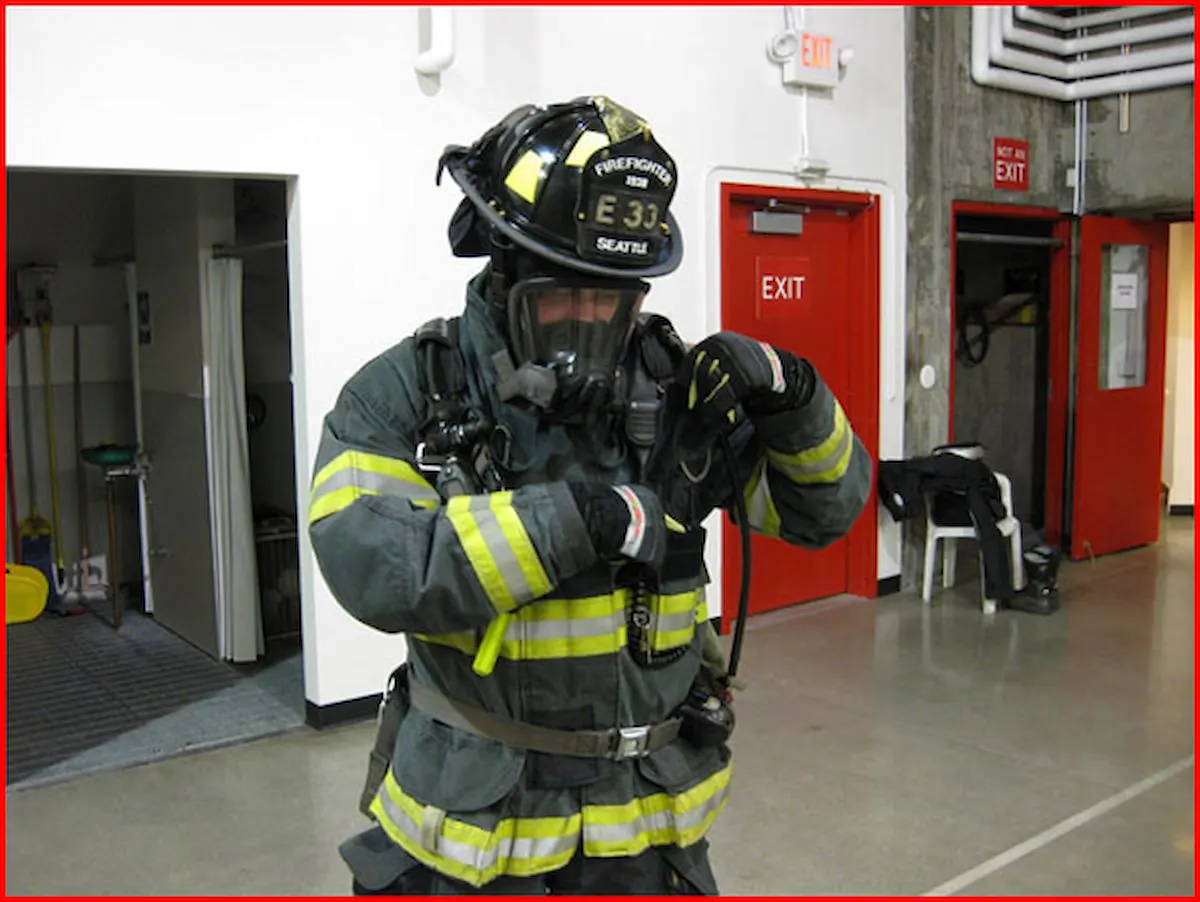
Professionals in law enforcement, security, emergency response, construction, and other hands-on industries consider holsters for their radios essential gear. A reliable holster keeps the radio accessible and secure and protects it, keeping you connected when it matters. But we should not take it for granted. The holster’s utility, as well as its comfort and fit, depends on a thoughtful design, good materials, and proper use.
Otherwise, it can become a source of discomfort or interference or damage the equipment. Putting on a radio holster isn’t just done for convenience. It’s about safety, efficiency, and professionalism. There are a few practical, common-sense reasons for this, the first of which is that if the radio is not physically secure, it is far more likely to fall and be damaged.
Additionally, using a radio holster improperly is likely to compromise the user’s body and the radio’s performance in a number of ways.
With this in mind, let’s take a look at a few of the “don’ts” when it comes to using the holster for your radio:
1. Choosing the Wrong Holster for Your Radio
A generic or incompatible holster that doesn’t properly fit your specific radio model is one of the most frequent mistakes made by users. The dimensions of portable radios vary widely; so do the size and layout of their buttons.
And then there’s antenna placement – radios with antennas mounted to the top tend to have a very different holster profile compared to radios with antennas mounted to the rear. Using a holster not designed for your specific model could result in a very poor fit or, worse, dropped equipment.
2. Wearing It in an Inaccessible Position
Putting your radio holster where it’s tough to get to – like the back of your belt or under layers of clothing—can slow down how fast you can get to it in a life-threatening situation. When emergencies strike, it’s all about how many seconds you can shave off your response time, and if you’re fumbling around just to get to your radio, you are actually losing precious time.
3. Neglecting Secure Attachment
Incorrectly attached holsters can slip or come loose during movement, increasing the chances that you’ll drop or damage your radio. This is especially a problem in high-activity roles like firefighting or security patrols. Verify that every strap, clip, and loop is secured tightly and correctly. If your holster frequently shifts, consider models that have reinforced clips, or adjustable straps that stay secure during dynamic movement.
4. Ignoring Comfort and Ergonomics
A radio holster that digs into your side, pinches when you move, or shifts your belt or vest around may be secure, but it’s a distraction. If you’re focused on your discomfort, you’re not focused on what really matters: command and control and the safety of you and your team. In fact, discomfort may lead you to adjust or even remove your gear while maintaining these essential functions.
Pick a holster that is not only adjustable but also has enough padding to keep it comfortable. Remember, you may be standing for long stretches of time, and the holster should not chafe or cause irritation. It should not be made of hot or itchy materials. You should be able to wear it and forget that it is there.
5. Forgetting to Secure the Radio Inside the Holster
You can’t just toss your radio into the holster and go. If it isn’t secured or held tightly, the radio can just as easily go in the other direction, falling out when you move suddenly and taking damage in the process. Look for holsters that have retention straps, snap closures, elastic bands, or molded compartments to keep the radio snug and not lose it while working under pressure.
6. Overloading One Side of Your Body
Wearing your radio holster along with other bulky equipment – like your keys, a flashlight, or any number of hand tools—on the same side of your body can throw off your balance and lead to problems with posture or strain in your muscles over time. Distributing your gear evenly across your body is key.
If you have your radio on the left, put other essentials on the right side of your body so you’re balanced. You might use chest and shoulder rigs for some of this, but a balance between what you’re wearing on your upper body and what’s on your lower body is important.
Even the Highest Quality Radio Holster Must be Used Properly
Although it might seem like a simple task, wearing a holster can go wrong in several ways and lead to big problems. Choosing the wrong fit, placing it in an awkward location, or simply not securing your radio properly are a few of the common mistakes that can compromise both safety and efficiency.
Fortunately, most of these errors are simple to fix once you know what to look for. You owe it to yourself and your team to fine-tune your setup – it’s a simple step with an important benefit every time you reach for your radio.
Also read: Top 10 Favorite Fire Force Characters (Based on Fan Votes)