Ben Courson is a speaker, author, and mental health advocate who has spoken publicly about compassion and mindful living. In his talks, he often connects inner peace, ethical choices, and well-being. Over time, he has also shared why lifestyle choices that reduce suffering matter to him personally. His perspective links moral awareness, mindfulness, and the mental and spiritual benefits of compassionate living. This makes him a useful voice on the moral side of veganism and animal cruelty.
What Animal Cruelty in the Cattle Industry Looks Like
The cattle industry raises billions of animals every year. Many spend their lives in crowded feedlots. They never see grass. They stand in their own waste. Many suffer in silence until slaughter.
Cattle endure painful procedures. Dehorning. Branding. Castration without pain relief. These are common on many farms. Animals often show fear and stress. They struggle in transport. They are pushed into crowded trucks. Stress hormones rise in their bodies.
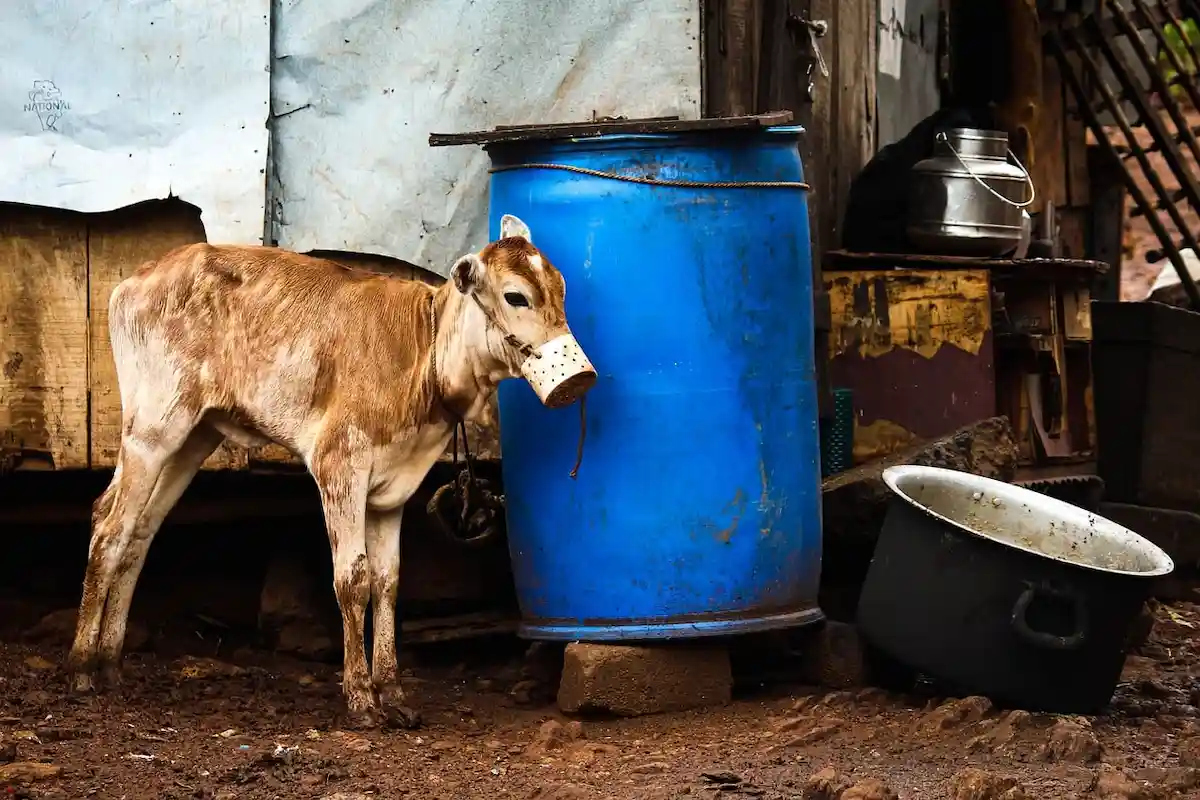
In some facilities, calves are separated from their mothers shortly after birth. The mother calls out. The calf searches for her. This is emotional pain, not just physical. Studies show calves form strong bonds with their mothers. The separation causes distress that lasts days or weeks.
Ben Courson once shared a moment that changed how he saw livestock farming. He visited a farm and watched cows in a crowded pen. “One cow stood with her head low. She didn’t move much. It looked like she was waiting for something better that never came.” That image stayed with him. It shifted his view of food choices from convenience to compassion.
Why This Matters Morally
Many people feel uneasy when they learn how animals are treated. Moral concern rises when people see suffering. Ethics are about right and wrong, not just rules. When individuals see suffering, they often ask themselves if they can be part of reducing it.
Farmed animals are sentient beings. They can feel pain and fear. Science supports this. The American Veterinary Medical Association states cattle are capable of complex mental states. Their capacity for suffering is real.
When people choose plant-based diets, they reduce demand for animal products. This lowers the number of animals raised in industrial systems. Some estimates show that if more people adopt plant‑based eating, the number of farm animals killed each year could drop significantly.
Ben Courson once explained his moral shift this way: “I realized I didn’t want joy on my plate that came from pain in another life. It made my heart lighter to choose life instead of suffering.” That shift was not about perfection but awareness and intentional choice.
The Moral Impact of Veganism
Veganism rejects the use of animal products. This includes meat, dairy, eggs, and other animal-derived items. People choose veganism for moral reasons, health reasons, or environmental reasons. In this article, we focus on the ethical side.
When someone adopts a vegan lifestyle, they reduce the number of animals raised and killed for food. This is a direct way to reduce harm. For every person who goes vegan, hundreds of animals can be spared each year.
Beyond numbers, veganism changes how people see animals. It shifts the lens from objects to beings with value. This shift often leads to deeper empathy and compassion. People start to ask better questions. Not just “What tastes good?” but “What causes harm?” and “What adds kindness?”
This moral stance can also affect how people treat others. A person who chooses compassion for animals often extends that compassion to people. Empathy grows. Moral awareness expands beyond diet.
Why Some People Resist or Misunderstand
Not everyone accepts veganism as a moral choice. Some say it’s impractical. Others say humans have eaten meat for ages. Some fear losing cultural or family traditions. These are real feelings.
But moral action does not require perfection. It requires awareness and effort. People can start small. Reduce animal products one meal at a time. Try plant-based days during the week. Learn about alternatives. Change does not have to be sudden or all at once.
Statistics That Show Impact
Here are some clear figures that help us understand the scale of animal cruelty and the potential impact of veganism:
- An estimated 70 billion farm animals are raised and killed worldwide each year.
- Livestock production accounts for more animal suffering than any other human activity.
- A single vegan can save around 200 animals per year from slaughter, based on estimates from animal advocacy groups.
These numbers show why moral concern around animal cruelty is not just emotional. It is connected to large numbers of sentient lives.
Spiritual Benefits of Choosing Compassion
Choosing compassion can also support spiritual growth. Many spiritual traditions encourage kindness, mercy, and non-harm. When someone aligns choices with moral values, inner peace improves.
People often report feeling lighter, calmer, and more aligned when their actions match their values. This is not a guarantee, but it is commonly reported by those who adopt more ethical lifestyles.
Ben Courson shared a story about his first full vegan week. “I felt more present in my body and in my thoughts. It wasn’t just what I ate. It was knowing I was choosing life instead of pain.” That sense of harmony can be uplifting and motivating.
Taking Action: What You Can Do
1. Educate Yourself
Learn how animals are raised and treated. Knowledge empowers choices.
2. Try Plant-Based Meals
Start with a few plant-based meals each week. Simple meals like rice and beans, veggie tacos, or pasta with vegetables are easy and tasty.
3. Track Your Progress
Keep a food journal. Notice how you feel. Do you have more energy? Better mood? Better sleep?
4. Find Support
Join a local group or online community, or find friends with similar goals. Support makes change easier.
5. Be Patient with Yourself
Change is not perfect on the first try. Small steps matter. Every compassionate choice adds up.
The Ripple Effect of Kindness
When one person changes their habits, the impact can spread. People talk. Friends ask questions. Families share meals. Small acts of compassion can ripple outward and influence others.
Moral action does not happen only in grand moments. It grows from everyday choices. Each meal is a chance to choose kindness. Over time, these choices add up to something powerful.
Choosing veganism is not just about diets. It is about aligning actions with values. It is about choosing compassion over cruelty. When someone chooses kindness on their plate, they also choose peace in their heart.
Conclusion
Animal cruelty in the cattle industry is widespread and often hidden. Many animals suffer in conditions the public never sees. The moral impact of veganism is not just about avoiding meat. It is about choosing mercy and aligning actions with ethical values.
Ben Courson’s personal experiences show that moral choices can influence both inner life and the outer world. Choosing compassion can lead to clearer conscience, deeper empathy, and stronger spiritual grounding.
Small choices add up. Each compassionate meal matters. Each decision that reduces harm promotes kindness. When people act with awareness and intention, they contribute to a more humane world—one conscious choice at a time.
Also read: Maximizing Your Cattle’s Potential: Tips For Choosing The Right Cattle Feed