Key Takeaways
- Mixed-use developments are shaped by community needs and unique local identities.
- Wellness features, green spaces, and active lifestyles are fundamental design priorities.
- Technology integration and flexible layouts are central to long-term adaptability.
- Public-oriented infrastructure boosts appeal for both residents and businesses.
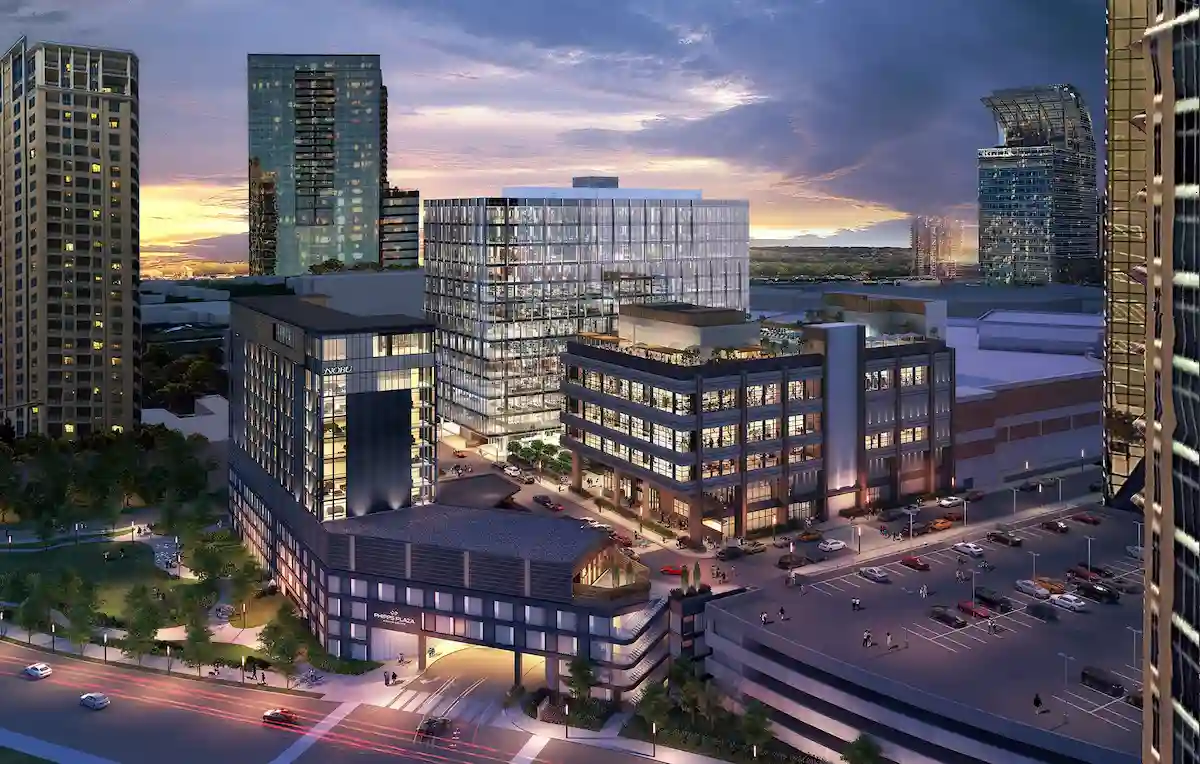
Mixed-use developments are rapidly redefining urban environments by artfully combining residential, commercial, and recreational areas into thoughtfully planned neighborhoods. These developments not only provide greater convenience for everyday life but also foster vibrant connections among residents, businesses, and visitors. The integration of these different elements into a single project showcases how innovative design can enhance the overall quality of life, setting a new standard for the future of urban spaces. An example of progressive construction in this sector is Tutor Perini, whose portfolio highlights the scale and ambition required to lead mixed-use projects.
From reflecting community identity to prioritizing wellness and smart technology, today’s mixed-use spaces are built for flexibility, resilience, and inclusivity. Understanding these trends is essential for developers, urban planners, and community leaders looking to create spaces that are both attractive and enduring.
Hyperlocal Ecosystems: Reinforcing Community Identity
One of the most significant trends is the emphasis on hyperlocal ecosystems. Developers increasingly recognize that a project’s success depends on how well it reflects and enhances its neighborhood’s identity. Mixed-use projects thoughtfully integrate local culture, demographics, and economic activity, creating destinations where people can fulfill daily needs within a short walk or bike ride. For instance, Abu Dhabi’s MiZa project revitalizes industrial land by preserving its architectural heritage while welcoming new creative and artistic enterprises. This approach builds deeper community engagement, leading to a genuine sense of belonging among both longtime residents and newcomers.
These hyperlocal perspectives mean that each mixed-use development becomes a unique reflection of its setting, creating sustainable value that transcends generic city-building. By engaging neighborhood stakeholders and supporting small, local businesses, these developments help maintain distinct urban identities.
Wellness-Centric Design: Prioritizing Physical and Mental Health
Another defining trend is the focus on wellness. Today’s mixed-use developments often incorporate state-of-the-art fitness centers, walking and cycling paths, community gardens, and ample green spaces. These features not only improve physical health but also promote mental well-being by fostering positive, active lifestyles.
The Rocks in Roeland Park, Kansas, is an illustrative example, integrating resort-inspired amenities, terraced green spaces, and outdoor communal areas that make the most of the site’s natural landscape. This connection to nature and wellness has become a central pillar of successful development projects.
Flexible, Experience-Driven Spaces: Adapting to Changing Demands
Flexibility is a hallmark of modern mixed-use architecture. Instead of rigidly assigned spaces, developments now feature multipurpose areas that can serve a variety of functions as community needs evolve. For example, a wellness studio may serve residents in the morning but be open to the public as a boutique fitness center or classroom in the afternoon.
Retail spaces are also designed for modularity, allowing them to seamlessly transform in response to tenant turnover or market shifts. This adaptability extends to event spaces, meeting rooms, and communal lounges. These programmable environments increase the longevity and appeal of a development by making it useful and inviting for various audiences throughout the day.
The Role of Technology: Smart Design for Enhanced Living
Technology is integral to the efficiency, adaptability, and satisfaction experienced in mixed-use developments. Smart building systems manage energy usage, monitor indoor air quality, optimize security, and enable tenants or property managers to control amenities through centralized apps. These digital features promote environmentally sustainable operations, improve comfort, and simplify daily routines for residents and commercial tenants alike.
Adaptable interiors with embedded sensors or infrastructure for future upgrades provide additional resilience, helping developments stay competitive even as technology or market preferences change. Embracing these innovations is quickly becoming essential in attracting forward-thinking investors and tech-savvy tenants.
Investing in Community Infrastructure
Mixed-use success increasingly depends on integrating infrastructure that directly serves residents and the broader community. By including schools, childcare centers, libraries, and cultural venues within their borders, developers create environments that are appealing for long-term residential tenants and draw consistent traffic to retail and service businesses.
These amenities not only support resident needs but also improve public perception and facilitate regulatory approvals by showing substantial public benefit. Local governments often view these projects as opportunities to create more complete, livable neighborhoods and are more likely to grant fast-track approvals or infrastructure incentives.
Conclusion
Mixed-use developments represent a powerful evolution in urban planning, offering comprehensive solutions that reflect the diverse and changing needs of today’s communities. By prioritizing hyperlocal identity, health and wellness, flexible and experience-driven spaces, technological integration, and robust community infrastructure, these projects offer more sustainable and engaging environments where residents, workers, and visitors thrive together. This innovative approach will continue to inspire new benchmarks in city living, aligning with the values of connectivity, wellness, and long-term resilience.
Also read: Restaurant Furniture Trends That Are Making Your Favorite Cafés Pop