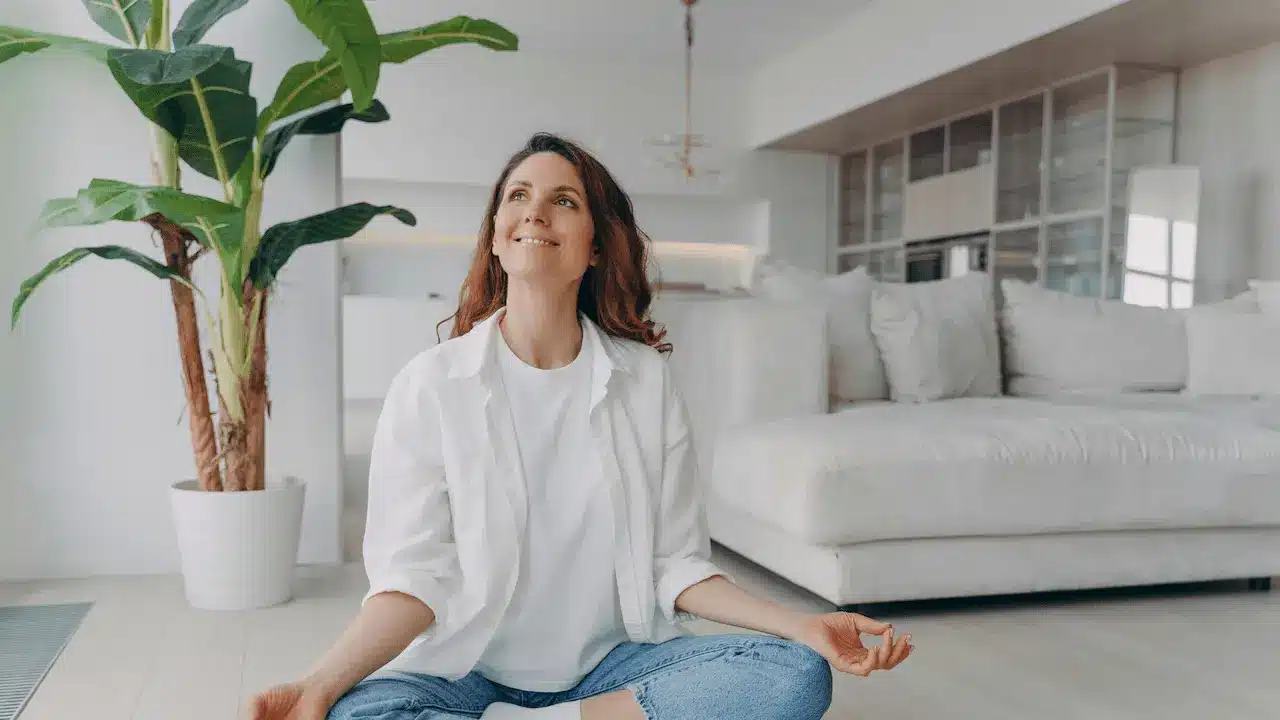
In modern American life, busyness has become a badge of honour and clutter has become so normal that many people hardly notice how it affects them. Closets overflow with clothes we rarely wear, garages are filled with boxes we never open, and our calendars are booked solid with commitments that do not actually add joy. This constant overload creates stress, financial strain, and a sense of being trapped. A minimalist lifestyle offers another path, one that focuses on stripping away the unnecessary so you can make room for what matters.
Minimalism is not about deprivation. It is about intention. It is not about stark white walls or owning nothing, but about choosing carefully what deserves space in your life.
Why Minimalism Matters
In a country where consumerism is deeply ingrained, minimalism feels almost radical. The United States is home to some of the largest houses in the world, yet storage units are a booming industry. This paradox highlights how more space often leads to more accumulation, not more satisfaction. Nearly one in eleven Americans pays to store excess belongings. That statistic alone reveals the scale of the clutter problem.
Beyond physical possessions, people face digital clutter, endless notifications, and packed schedules. Research shows that clutter is more than an inconvenience. A UCLA study of families found that mothers who lived in cluttered homes had higher levels of cortisol, the stress hormone. Less clutter often leads to less stress, better sleep, and improved focus. Minimalism offers a way to counteract the culture of excess and reclaim control of your home, your finances, and your peace of mind.
The Benefits of Decluttering Your Life
Minimalism has ripple effects in nearly every area of life. While the process begins with physical spaces, the benefits quickly expand into emotional, financial, and social wellbeing.
Better mental health
Clutter competes for your attention. Psychologists explain that too many visual stimuli overload the brain and reduce your ability to focus. A tidy environment fosters calm and increases productivity. For people dealing with anxiety or decision fatigue, fewer possessions can mean fewer choices and more clarity.
Stronger finances
Every item you own has a cost beyond the purchase price. It must be cleaned, stored, and eventually replaced. When you reduce consumption, you free up money for experiences or savings. Minimalist living can lead to debt reduction, stronger emergency funds, and investments in long term goals. Forbes has highlighted how decluttering not only saves money but helps you rethink spending patterns in a way that aligns with your values.
More time for relationships
Managing clutter consumes time. Americans spend hours each week cleaning, organizing, or shopping for items they don’t really need. By owning less, you reclaim those hours. Many minimalists report stronger family bonds and more meaningful social lives because they are less distracted by stuff and more intentional with time.
Environmental sustainability
Minimalism supports the planet. By consuming less, you reduce waste, packaging, and emissions associated with production. The US has one of the highest per capita rates of consumption in the world, and shifting toward minimalist habits has a measurable impact on reducing your carbon footprint. Research published in Science Direct has shown that conscious consumption practices like buying fewer but higher quality goods significantly reduce environmental harm.
How to Begin Your Minimalist Journey
Starting small is the most effective way to build lasting change. These steps help you ease into a simpler lifestyle without feeling deprived.
Identify your why
Minimalism is personal. Some people want to escape debt. Others want more time for family or to reduce stress. Before decluttering, write down the reasons you are drawn to this lifestyle. Keeping that list visible will help you stay motivated when it gets difficult to part with things.
Start with one space
Decluttering an entire home at once can feel impossible. Instead, choose one area such as a kitchen drawer, a shelf in your closet, or the top of your nightstand. Seeing progress in a small area encourages you to keep going.
Set clear rules
Ask yourself: Does this item add value to my life? Do I use it regularly or love it deeply? If the answer is no, consider donating, selling, or recycling it. Create boundaries such as “one in, one out” for new purchases to prevent clutter from creeping back in.
Create clutter free zones
Pick a few high impact areas like your desk, dining table, or bedroom floor and keep them consistently clear. These zones serve as visual reminders of the calm that comes with simplicity.
Reduce consumption
Minimalism is not only about decluttering what you already own but also about resisting the pull to accumulate more. When tempted to shop, wait 24 hours before buying. Often the urge passes, saving you money and space.
Simplify your digital life
Digital clutter is as draining as physical clutter. Unsubscribe from newsletters, delete unused apps, and set limits on social media time. Fewer digital distractions give you more mental space.
Challenges and Experiments That Strengthen Minimalism
Minimalism grows when you practice it. Consider trying these experiments to deepen your commitment.
- Project 333 encourages you to dress with only 33 items for three months. This challenge reveals how little you truly need to feel stylish and confident.
- The Mins Game involves letting go of one item on the first day, two items on the second, and so on for an entire month. By the end you have released hundreds of objects.
- Buy Nothing Month challenges you to pause discretionary spending for 30 days. This resets your relationship with shopping and teaches you how to enjoy life without constant purchases.
These small but powerful experiments help you discover your personal definition of enough.
Stories of Transformation
Minimalism looks different for everyone, but the stories share common threads of relief and freedom.
A young professional in New York described how donating half her wardrobe made her mornings easier. She no longer wasted time deciding what to wear, and her confidence grew from knowing every piece fit and felt good.
A family in Texas downsized their belongings to move into a smaller home. With lower expenses and less time spent cleaning, they now travel several times a year—something that was impossible when their money went into maintaining a larger house.
An older couple in California found peace by decluttering sentimental items. Instead of keeping dozens of boxes in the garage, they chose a few meaningful photos and heirlooms. They said the process helped them feel lighter and gave their adult children the gift of not inheriting piles of unnecessary items.
Common Pitfalls to Avoid
Even with the best intentions, people stumble on the path to minimalism. Being aware of common mistakes helps you stay steady.
- Going too fast: Getting rid of everything at once often leads to regret. Declutter gradually and test how you feel before letting go of more.
- Chasing the minimalist aesthetic: Buying new furniture or decor to look minimal defeats the purpose. Focus on function and meaning, not appearances.
- Confusing minimalism with deprivation: The goal is not to strip away joy. Keep items that truly matter to you even if others see them as unnecessary.
- Ignoring emotional clutter: Physical belongings are only part of the picture. Decluttering commitments, toxic relationships, and digital overload is equally important.
Minimalism in American Culture
Minimalism can be especially challenging in the US where advertisements encourage constant consumption. Black Friday sales, outlet malls, and buy now pay later options normalize overbuying. To practice minimalism here, you need strong boundaries.
Large houses and garages create the illusion that you can always keep more. Resist the temptation by setting limits regardless of space. Remember that filling rooms with unused items only creates stress.
Family expectations can also complicate things. If you live with children or a partner, minimalism must be a shared effort. Let kids choose what toys they truly love. Allow your partner to keep items that are meaningful. Minimalism works best when it is cooperative, not imposed.
Minimalism Beyond Possessions
The beauty of minimalism is that once you start with physical items, you begin to notice other areas that need simplification.
Calendar clutter
Overscheduled calendars drain energy. Review your weekly commitments and identify those that bring value versus those you accepted out of obligation. Saying no creates room for rest and intentional yeses.
Information clutter
Limit the constant news cycle, notifications, and digital noise. Curate your inputs so you focus on what matters without being overwhelmed by everything happening everywhere.
Relationship clutter
Some relationships are nurturing, while others drain energy. Minimalism invites you to choose people who support your wellbeing. This does not mean cutting ties harshly, but gradually investing more time in relationships that feel genuine and mutual.
Sustaining Minimalism Long Term
Adopting minimalism is easier than maintaining it, but small habits keep you on track.
- Practice the one in, one out rule. If you buy a new pair of shoes, donate an old pair.
- Schedule seasonal decluttering sessions. A quick sweep of closets, drawers, and digital devices keeps accumulation from snowballing.
- Revisit your why regularly. Life changes, and so do values. Minimalism should evolve with you.
- Celebrate progress rather than perfection. The goal is not to own the fewest items but to live the most intentional life.
A Practical 30-Day Plan
Here is a simple action plan you can follow in your first month.
- Week 1: Write down your why. Declutter one small area each day, such as a drawer or shelf.
- Week 2: Create one clutter free zone in your home. Start the one in, one out rule. Track purchases.
- Week 3: Declutter digital life. Unsubscribe, delete, and set screen time boundaries. Review your calendar and cancel one non-essential commitment.
- Week 4: Donate or sell items you no longer need. Reflect on what changes you noticed in mood, time, or finances. Set goals for the next three months.
The Bigger Picture
Minimalism is not about sacrifice. It is about choice. It is not about owning nothing but about owning what serves you. By decluttering your physical spaces, simplifying your commitments, and being mindful about consumption, you create space for freedom.
For US clients and readers, minimalism offers a way to push back against consumer culture and find joy in less. It saves money, reduces stress, and gives you time for the things that truly matter, whether that is family, travel, creativity, or simply breathing easier at home.
Take the first step today. Clear one drawer. Cancel one unnecessary meeting. Let go of one digital distraction. Each small step is an act of freedom. And over time, those steps lead to a life that feels lighter, calmer, and more aligned with who you want to be.
Read also:6 Reasons Pigeon Contraceptives Work Better Than Deterrent Devices