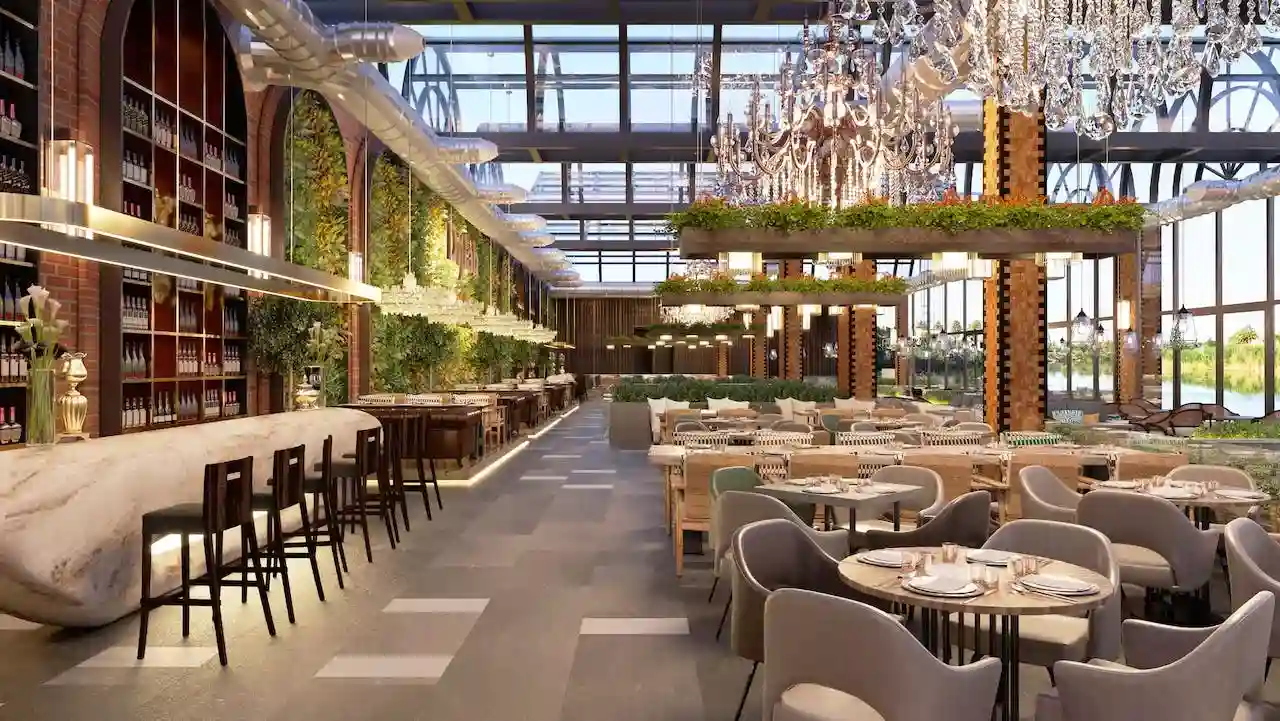
Restaurant design is evolving faster than ever, driven by a generation that values comfort, sustainability, and visual storytelling. Furniture is now at the center of that evolution, shaping how people experience dining, socializing, and even working. The restaurant of 2025 is more than a place to eat; it is a lifestyle environment, and every chair, table, and booth plays a part in defining its personality.
The coming year’s trends reflect a balance of innovation and authenticity. Owners are embracing design elements that blend form with function, creating spaces that feel as welcoming as they are efficient. From materials to layout, restaurant furniture in 2025 is about connection, versatility, and purpose.
Natural Elements Taking the Lead
Nature is returning to the forefront of restaurant interiors. Designers are using organic materials like solid wood, rattan, bamboo, and cork to bring warmth and serenity into dining spaces. These natural textures create an inviting contrast to modern metal or glass finishes, offering a sense of calm that guests crave.
Tables made from reclaimed wood and chairs wrapped in natural fibers reflect a shift toward sustainability and character. The imperfections in these materials are celebrated, not hidden, making every piece unique. This trend speaks to a deeper appreciation for authenticity and craftsmanship, values that align perfectly with contemporary lifestyle dining.
Modular Layouts for Flexible Dining
The modern diner expects adaptability, and furniture is following suit. Modular layouts are becoming standard as restaurants accommodate multiple functions within one space. Moveable tables, stackable chairs, and sectional booths allow layouts to change effortlessly between busy lunch hours, quiet afternoons, and evening events.
This flexibility also supports pop-up concepts, private gatherings, and hybrid café-work environments. Restaurant owners appreciate that modular furniture reduces downtime and makes it easier to adapt to customer preferences. It reflects a forward-thinking approach where design adjusts naturally to daily needs.
Statement Pieces as Focal Points
In 2025, every space needs a defining moment. Statement furniture pieces are becoming essential for creating memorable interiors. A bold bar stool design, an oversized booth, or a sculptural communal table can instantly capture attention and shape the mood of a room.
These eye-catching details are not just decorative; they express a brand’s personality. Whether through unexpected colors, unique silhouettes, or artistic craftsmanship, statement furniture turns restaurants into destinations that guests remember and talk about long after their meal.
Technology Blending with Design
Technology is quietly transforming furniture design. Wireless charging tables, smart lighting, and integrated sound systems are enhancing the dining experience without disrupting aesthetics. These subtle innovations make spaces more convenient while keeping them visually clean and inviting.
Smart furniture is also improving operations behind the scenes. Tables equipped with sensors can track occupancy and help manage flow, while digital menus built into surfaces reduce clutter. The fusion of technology and design is redefining functionality for a generation that expects efficiency and style in equal measure.
Sustainable Choices as the New Standard
Sustainability has moved from trend to expectation. Restaurant furniture in 2025 focuses on materials and production methods that reduce environmental impact. Recycled metals, eco-certified wood, and biodegradable finishes are becoming industry staples.
Many designers are also sourcing furniture locally to lower transportation emissions and support regional craftsmanship. Sustainability is now seen as part of good business rather than an optional feature, showing guests that a restaurant cares about more than just aesthetics.
Comfort-Driven Dining
The line between dining and lounging continues to blur. Guests increasingly prefer spaces where they can linger, relax, and enjoy conversation. Furniture that supports this lifestyle is becoming a top priority.
Ergonomic chairs, cushioned bar stools, and curved booths create comfort zones that invite guests to stay longer. The focus is on soft textures, balanced proportions, and materials that feel inviting to the touch. Comfort-driven design also enhances acoustics and atmosphere, leading to more enjoyable and memorable dining experiences.
The Return of Bold Colors and Textures
While minimalist interiors still have appeal, 2025 is bringing a renewed embrace of color and texture. Deep greens, burnt orange, gold accents, and textured fabrics like velvet and bouclé are replacing the cold grays of past years.
This shift reflects a desire for interiors that feel vibrant, expressive, and emotionally rich. Colorful upholstery, contrasting tabletops, and mixed material palettes allow restaurants to express personality and create distinct experiences in each zone of the space.
Blending Indoor and Outdoor Experiences
Designers are creating seamless transitions between indoor and outdoor dining areas. Furniture that works in both environments helps unify the look and feel of the entire property.
Lightweight aluminum frames, weather-resistant wood finishes, and cushions made from performance fabrics allow for easy movement between spaces. The goal is to create continuity, so guests feel the same level of comfort and style whether they are inside or on the patio.
Furniture That Reflects Brand Identity
In 2025, restaurant furniture is more than decor; it is branding. Every design choice, from materials to finishes, communicates something about the restaurant’s values. A rustic eatery may highlight handcrafted wood tables, while a contemporary bar might focus on polished metals and clean lines.
The best interiors tell a story that complements the menu, service style, and brand message. When furniture reflects identity, it turns a dining room into a cohesive experience that connects emotionally with guests.
The Future of Lifestyle Dining
The evolution of restaurant furniture in 2025 goes beyond aesthetics. It is about crafting experiences that feel personal, immersive, and connected to the way people live today. As dining continues to merge with leisure, work, and social interaction, furniture becomes the foundation of that transformation, setting the tone for how guests feel and engage within a space.
The future belongs to designs that balance sustainability, comfort, and innovation. Natural textures will keep spaces grounded, while technology will quietly enhance convenience. Statement pieces will give restaurants character, and flexible layouts will ensure they evolve with customer needs. Together, these elements form the blueprint for lifestyle dining in the modern era.
Restaurants that invest in thoughtful furniture choices are not just keeping up with trends. They are defining the next generation of hospitality. By embracing comfort, creativity, and conscience, they create spaces that invite guests to stay, connect, and return. In a world where design speaks louder than words, the furniture of 2025 will tell stories that last well beyond the final course.
Also read: What Makes a Dining Chair Comfortable for Long Meals?