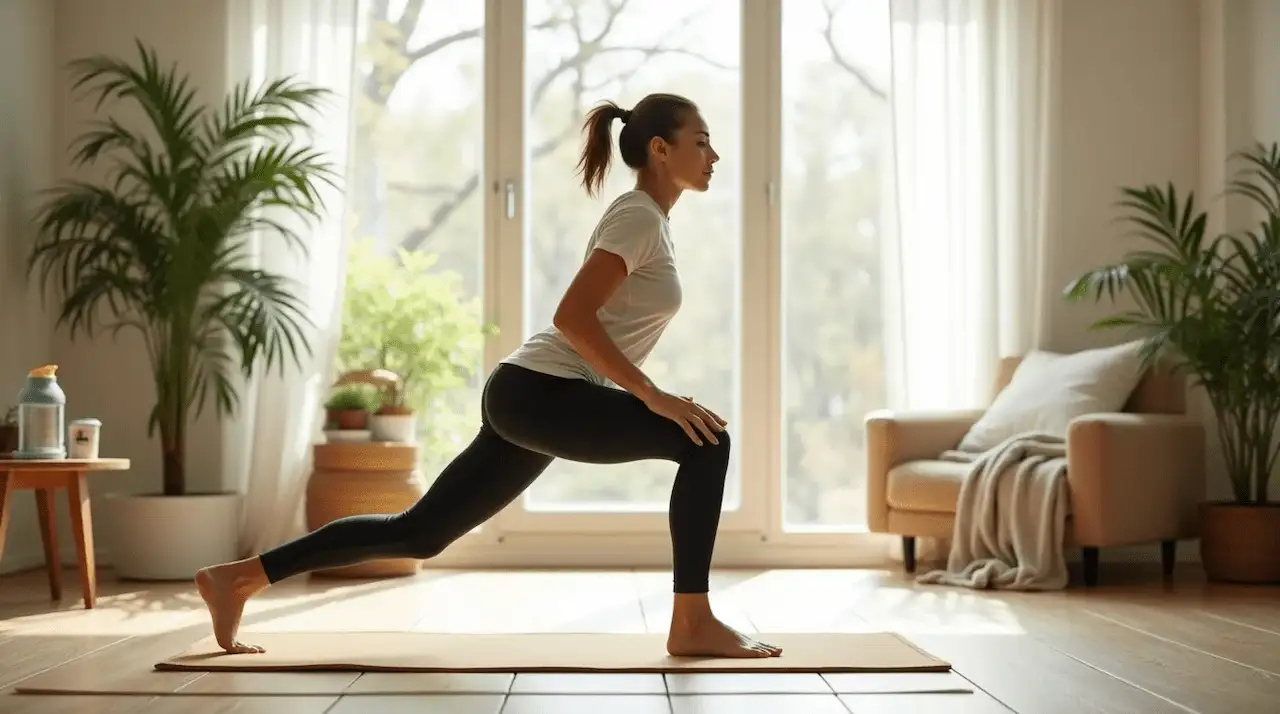
Staying active has become a challenge in today’s fast-paced world, where work, commuting, and digital distractions consume much of our daily lives. For many people in the US, going to a gym is not always convenient or affordable. The good news is that you can achieve excellent fitness results without ever stepping into a gym. By focusing on simple home workouts, you can build strength, improve endurance, enhance flexibility, and take better care of your mental health. This comprehensive guide explores why home workouts work, how to structure your exercise plan, and which routines bring the best results.
Why Simple Home Workouts Matter
Fitness is not about how much equipment you own or how often you visit a gym. It is about moving your body in ways that challenge your muscles and cardiovascular system while supporting overall health. The Centers for Disease Control and Prevention (CDC) recommend that adults aim for 150 minutes of moderate-intensity aerobic activity per week plus strength training at least two days per week. (CDC Guidelines)
This does not require treadmills, bench presses, or heavy machinery. It can be achieved through squats, push-ups, lunges, planks, jumping jacks, burpees, and even brisk walking or stair climbing around your home.
According to Harvard Health, bodyweight exercises can be just as effective as weighted exercises in developing strength and improving muscle endurance. They also highlight how convenience plays a key role in adherence to fitness routines. The easier it is to start and stick with a workout, the more likely you are to keep going. Home workouts remove barriers like commuting, gym fees, and intimidating environments.
Creating the Right Environment at Home
A major factor in the success of home workouts is creating a space that encourages exercise. While you do not need a dedicated home gym, a small, safe area can make a big difference.
- Clear space: Ensure the area is free from clutter and has enough room for movements like lunges or planks.
- Invest in a mat: A yoga or exercise mat protects joints, prevents slipping, and makes floor exercises more comfortable.
- Add optional tools: Resistance bands, light dumbbells, or even household objects like filled water bottles can serve as weights.
- Lighting and ventilation: Bright, airy spaces boost motivation. Working out near a window can increase energy levels.
By setting up even a small workout zone, you remove excuses and make fitness part of your daily environment.
The Four Essential Pillars of Home Fitness
To achieve lasting results, you need a balanced approach. An effective home workout routine should include the following four components.
1. Cardiovascular Endurance
Cardio exercises strengthen the heart and lungs, improve circulation, and burn calories. You can do cardio at home without machines:
- Jogging in place
- High knees
- Jumping jacks
- Stair climbing
- Dance sessions to your favourite music
- Burpees
Just 10 to 15 minutes of these moves raise your heart rate and deliver meaningful cardiovascular benefits.
2. Strength Training
Muscle-building is essential for boosting metabolism, protecting bones and joints, and improving everyday functional movements. Effective bodyweight strength exercises include:
- Push-ups (regular or knee)
- Squats and squat holds
- Lunges in all directions
- Glute bridges
- Plank variations
- Tricep dips using a sturdy chair
These exercises target all major muscle groups without requiring weights.
3. Flexibility
Flexibility reduces stiffness, improves posture, and prevents injury. Incorporating stretches or yoga poses into your daily routine can significantly improve recovery and long-term performance. Movements like downward dog, cat-cow, or hamstring stretches can be performed in minutes.
4. Balance and Stability
Balance exercises are crucial for coordination and injury prevention. They are especially valuable as people age. Simple moves like single-leg stands, bird-dog, or side planks build balance and strengthen stabilizing muscles.
Home Exercises That Work for Everyone
Whether you are a beginner or advanced, certain exercises provide universal benefits. These are recommended as staples:
- Squats: Strengthen the lower body and core
- Push-ups: Build upper-body strength
- Lunges: Enhance stability and leg endurance
- Planks: Improve core strength and stability
- Burpees: Provide full-body conditioning
- Glute bridges: Target the hips and lower back
These moves require no equipment and can be adapted for different fitness levels.
Sample Routines for Beginners and Intermediate Levels
To put it all together, here are two routines you can follow at home.
Beginner Circuit (20 Minutes)
- 12 squats
- 8 knee push-ups
- 10 bird-dog per side
- 12 glute bridges
- 30 second plank
- Repeat 2 rounds with rest between sets
Intermediate Circuit (30–40 Minutes)
- 15 jump squats
- 12 push-ups
- 12 forward lunges per leg
- 30 second plank to downward dog
- 10 burpees
- 20 bicycle crunches
- Repeat 3 rounds with short rests
These circuits provide a balance of strength and cardio while being simple enough to follow consistently.
The Role of Progression
One of the most common mistakes in home workouts is sticking to the same routine without challenging the body further. To progress and see results, apply the principle of progressive overload.
Ways to progress include:
- Increasing reps or sets gradually
- Shortening rest times between exercises
- Adding resistance with bands, weights, or weighted backpacks
- Trying advanced variations such as decline push-ups or pistol squats
By continuously challenging your muscles, you encourage growth, endurance, and adaptation.
Nutrition’s Place in Home Fitness
Exercise alone is not enough to achieve lasting results. Nutrition plays a central role in recovery, fat loss, and muscle gain. According to the Mayo Clinic, a well-balanced diet enhances exercise benefits and overall health.
Key nutrition guidelines include:
- Protein focus: Lean meats, beans, eggs, and tofu help muscle repair.
- Whole foods: Choose vegetables, fruits, whole grains, and healthy fats.
- Hydration: Drink water before, during, and after workouts.
- Portion control: Align calorie intake with your fitness goals.
By pairing home workouts with good nutrition, you set yourself up for sustainable health improvements.
Mental Health Benefits of Exercising at Home
Physical activity is as important for the mind as it is for the body. The National Institutes of Health (NIH) highlight that regular exercise reduces symptoms of depression and anxiety while improving mood and cognitive ability.
Exercising at home adds unique mental health advantages:
- Convenience reduces stress from commuting
- Privacy encourages beginners to stay consistent
- Flexibility allows you to work out when motivation is highest
- Combining workouts with mindfulness or yoga improves mental clarity
Designing a Weekly Workout Schedule
The biggest challenge people face is not starting but staying consistent. A structured weekly plan removes guesswork and makes fitness a habit. Here’s a sample schedule you can follow.
Beginner Weekly Schedule
- Monday: Full-body circuit (20 minutes)
- Tuesday: Low-impact cardio such as brisk walking, marching in place, or light dancing (20 minutes)
- Wednesday: Flexibility training with yoga or stretching (15–20 minutes)
- Thursday: Lower-body strength training (20 minutes)
- Friday: Core-focused workout with planks, bridges, and bicycle crunches (15 minutes)
- Saturday: Full-body circuit (25 minutes)
- Sunday: Rest or gentle mobility
Intermediate Weekly Schedule
- Monday: Strength circuit with squats, push-ups, and lunges (30 minutes)
- Tuesday: High-intensity cardio (20 minutes) such as burpees, jump squats, and mountain climbers
- Wednesday: Yoga or Pilates to improve flexibility and balance (30 minutes)
- Thursday: Upper-body and core strength training (30 minutes)
- Friday: Mixed cardio and strength circuit (30 minutes)
- Saturday: Endurance workout—longer session combining cardio and bodyweight exercises (40 minutes)
- Sunday: Rest or light recovery
This balanced mix ensures your muscles are challenged, your heart is trained, and your body recovers properly.
The Importance of Rest and Recovery
Many people assume more workouts always mean better results, but recovery is when the body grows stronger. After exercise, your muscles rebuild fibers, adapt to stress, and become more resilient. Without adequate rest, you risk fatigue, injury, and burnout.
Tips for better recovery:
- Sleep at least 7–9 hours per night
- Incorporate active recovery like light walking or stretching
- Eat protein-rich meals to support muscle repair
- Stay hydrated to reduce inflammation and support joint health
The National Sleep Foundation notes that deep sleep plays a key role in physical repair and hormone regulation, both critical for progress in fitness.
Safety Guidelines for Home Workouts
Training at home comes with unique challenges. Without a trainer or gym staff nearby, it is up to you to prioritize safety.
- Warm up first: Gentle cardio and dynamic stretches prepare muscles and joints.
- Use proper form: Watch tutorials or follow trusted trainers online to learn correct technique.
- Start slowly: If you are new to exercise, ease into it to avoid injury.
- Modify movements: Use easier variations when needed instead of forcing advanced ones.
- Listen to your body: Distinguish between good muscle burn and harmful pain.
If you have chronic conditions or recent injuries, consult a healthcare professional before starting a new program.
Common Mistakes and How to Fix Them
Even with the best intentions, beginners often make mistakes that hinder progress. Here are the most common errors in home workouts:
- Skipping warm-ups and cool-downs: Always start with mobility exercises and finish with stretching.
- Overtraining: Working out hard every day can backfire. Rest is essential.
- Neglecting balance and flexibility: Strength and cardio are not enough—flexibility protects joints.
- Poor nutrition: Without a balanced diet, exercise results stall.
- Doing the same routine endlessly: Your body adapts, so vary your workouts to keep improving.
Correcting these habits ensures better results and reduces injury risks.
Motivation Hacks to Stay Consistent
Motivation often fades after the initial burst of excitement. Here are strategies that help people in the US stick with home workouts for the long term.
- Set clear goals: Whether it’s losing weight, building strength, or increasing energy, write down specific and measurable targets.
- Track your progress: Use a notebook, app, or fitness tracker to log workouts and improvements.
- Join online communities: Platforms like Instagram and TikTok have thousands of fitness creators who share routines and motivation. Following trainers like Chloe Ting or Athlean-X adds accountability.
- Mix it up: Rotate routines to prevent boredom. Add dance workouts, yoga, or resistance bands to stay engaged.
- Reward yourself: Celebrate milestones like completing 30 days of consistent workouts.
Research from the American Psychological Association shows that habits formed through small daily actions are more sustainable than relying on bursts of willpower.
How Home Workouts Support Mental Health
Exercise is one of the most effective tools for boosting mental well-being. Studies from the National Institute of Mental Health indicate that regular movement reduces symptoms of anxiety and depression, improves concentration, and enhances resilience to stress.
Home workouts, in particular, provide unique psychological benefits:
- Privacy helps shy beginners exercise without fear of judgment
- Control over your environment allows you to choose lighting, music, and pacing
- Flexibility reduces the pressure of scheduling conflicts
- Exercise releases endorphins that improve mood and energy levels
For people balancing work, childcare, or studies, short at-home sessions can provide the mental reset needed to manage daily stress.
Affordable Tools to Enhance Home Workouts
While bodyweight exercises are highly effective, adding simple tools increases variety and intensity. Affordable options include:
- Resistance bands: Lightweight, portable, and versatile for strength training
- Dumbbells or kettlebells: Even one pair adds endless options for upper and lower body
- Skipping rope: Excellent for cardio and coordination
- Stability ball: Useful for core strengthening and flexibility training
- Household substitutes: Water jugs, heavy books, or backpacks can double as weights
Long-Term Benefits of Simple Home Workouts
Sticking to home workouts over months and years offers lasting benefits beyond physical appearance.
- Improved cardiovascular health: Lower risk of heart disease and high blood pressure
- Stronger muscles and bones: Resistance training improves bone density and reduces injury risk
- Better weight management: Consistent activity supports metabolism
- Enhanced mobility and balance: Reduces fall risk as you age
- Better sleep: Physical exertion helps regulate sleep cycles
- Mental resilience: Reduced stress, better mood, and improved focus
The American Heart Association confirms that even modest increases in activity bring measurable improvements in health outcomes.
Building a Lifestyle Around Home Fitness
The real key to long-term success is treating home workouts not as a temporary fix but as a lifestyle. That means:
- Creating consistent workout rituals
- Pairing exercise with healthy eating and hydration
- Staying active outside of workouts, taking stairs, stretching at work, or doing short movement breaks
- Viewing fitness as self-care rather than punishment
When fitness becomes part of your daily identity, results follow naturally.
Conclusion
Simple home workouts are not just a backup plan when the gym is unavailable; they are a powerful tool for lifelong health and fitness. By setting up a small space, following a structured weekly plan, prioritizing rest and nutrition, and staying motivated with clear goals, you can achieve impressive results without expensive equipment.
Whether your goal is to lose weight, build strength, improve endurance, or simply feel more energized, the combination of consistency and simplicity is what matters most. Over time, these workouts improve both physical and mental health, proving that fitness at home is not only possible but sustainable.
So, roll out a mat, put on your favourite playlist, and start moving today, the future version of yourself will thank you.