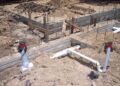
Building a home on your own land can be a dream come true for many people. Designing and building your perfect oasis from the ground up with new land release allows you to create a space that truly reflects your personal style and needs. There are important considerations to make before you start drawing up blueprints and choosing paint colors.
This article will provide tips and guidance on assessing your land to help you create the perfect oasis.
Assessing Your Land
1. Zoning Regulations
Start by checking with your local government to determine your property’s zoning designation. This information will determine the structures and features you can add to your land. For example, if your land is zoned for residential use, you may be limited to building a single-family home or a duplex.
It is also important to check for any building codes or restrictions in your area. These codes may dictate the size and height of your home, the materials you can use, and the distance between your home and the property line. Understanding the regulations and codes will ensure you build within legal limits and avoid costly mistakes.
2. Topography
Topography refers to the land’s natural features, including slopes, hills, and valleys. Understanding the topography of your land can help you plan the layout of your home and any outdoor living spaces.
Start by conducting a site survey to determine the exact contours of your land. This will provide valuable information for designing the foundation and grading your property. You may also need to consider drainage issues, especially if your land is prone to flooding.
3. Environmental Concerns
Start by conducting a wetland delineation survey to determine whether wetlands are on your property. Wetlands are protected by law, and any construction in or around them may require special permits.
You may also need to check for flood zones in your area, especially if your land is near a water body. Building in a flood zone may require additional construction, such as elevating your home above the flood level.
Finally, conduct a soil test to determine the quality and stability of your soil. This information can help you determine the type of foundation and drainage system you will need for your home.
Designing Your Dream Home

1. Determine Your Needs and Wants
Start by making a list of all the features and amenities that you want in your home. This can include the number of bedrooms and bathrooms, the size of the kitchen, the type of flooring, and any outdoor living spaces you desire.
2. Consider Your Lifestyle
Your home should be a reflection of your lifestyle. Think about how you live your daily life and what features would make your home more functional and enjoyable. For example, consider incorporating a large, open-concept kitchen and living area if you love to entertain.
3. Focus on the Flow
A well-designed home should have a natural flow allowing easy movement from room to room. Consider how you will move throughout your home and how each space connects to the next. This will help you create a cohesive design that is both practical and aesthetically pleasing.
4. Embrace Natural Light
Natural light is one of the most important design elements in a home. It can make a space feel larger, more inviting, and even boost your mood. When designing your home, consider the placement of windows and doors to maximize natural light throughout the day.
5. Don’t Forget About Storage
Ensure you incorporate plenty of storage solutions throughout your home, including built-in cabinets, closets, and shelving.
Building Your Home
1. Choose the Right Builder
Your builder will play a significant role in the success of your project. Take the time to research and interview multiple builders before making your final decision. Look for a builder with experience building custom homes and a track record of delivering quality work.
2. Stay Involved
Building a home is a big project, and it is crucial to stay involved throughout the process. Make sure to attend regular meetings with your builder, review progress reports, and ask questions.
3. Be Prepared for Unexpected Expenses
No matter how well you plan, unexpected expenses can arise during the building process. Make sure to have a contingency fund in place to cover any unforeseen costs that may arise.
4. Don’t Rush the Process
Building a custom home takes time, and taking your time with the process is essential. Quality work takes time, and it is important to give your builder the time they need to ensure that your home is built to your specifications.
Creating Your Outdoor Space
1. Consider Your Needs and Lifestyle
Your outdoor space should be an extension of your indoor living space. Consider how you will use the area and activities you enjoy. If you have children or pets, allocate a yard section for play and activities.
2. Incorporate Nature
One of the best things about owning your land is that you have the freedom to incorporate natural elements into your outdoor space. Use plants, trees, and flowers to create a beautiful, calming environment. Consider incorporating a water feature like a fountain or pond to add a peaceful element.
3. Lighting
Proper lighting can create a warm and inviting atmosphere while also adding an element of safety and security. Use a combination of ambient, task, and accent lighting to create a well-lit and comfortable outdoor space.
4. Privacy
Privacy is an essential factor to consider when designing your outdoor space. If you have neighbors, consider using fencing, hedges, or trees to create a barrier between your property and theirs. Alternatively, you could create a natural barrier using plants and shrubs.
Adding Your Personal Touch

1. Decor
Whether you prefer a contemporary, traditional, or eclectic style, choose decor pieces that complement your aesthetic and personal taste. Incorporate artwork, textiles, and accessories that bring warmth and character to your space.
2. Color
Color plays a significant role in setting the tone and mood of your home. Consider using a color palette that reflects your personal style and taste. Don’t be afraid to use bold colors to make a statement, or opt for a more muted palette for a calming and soothing effect.
3. Custom Finishes
Consider adding custom features such as built-in bookcases, unique lighting fixtures, or custom cabinetry to add character and functionality to your space.
Conclusion
Designing and building your dream home on your own land can be a rewarding experience. With the right mindset, planning, and guidance, you can create your perfect oasis that meets your needs and reflects your style. Remember to appreciate the beauty and serenity of your property, and share it with your loved ones. Happy building!
Also read: Building a House Step by Step: A Guide from Start to Finish