

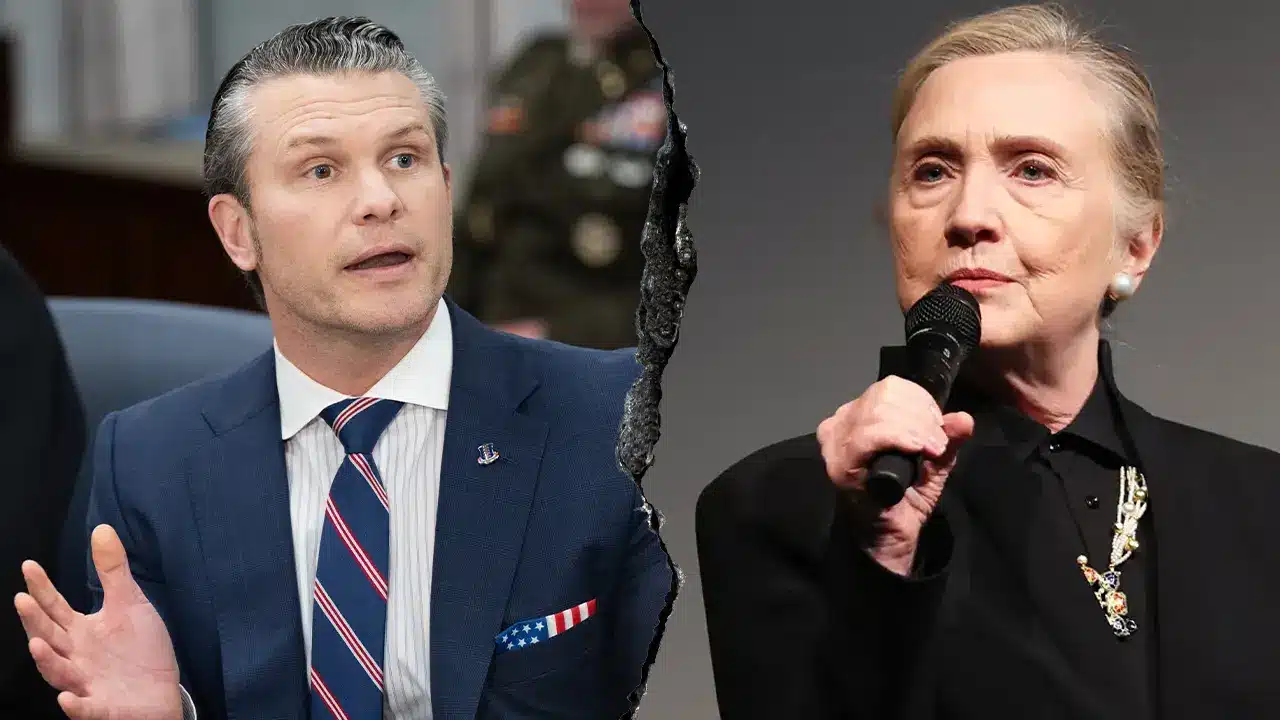
When it comes to American politics, few moments pass without stirring public debate. Recently, Hillary Clinton delivered a pointed remark about Fox News host Pete Hegseth’s deep enthusiasm for “warfighters,” igniting a fresh wave of discussions on social platforms and in the press. Clinton, known for her sharp wit and extensive resume, rarely lets a moment slip without layering it in meaning. Her comment was more than just a quip—it offered a lens into the complex relationship between media personalities, military service, and the values they champion in front of millions.
The Spark That Lit Up Social Media
At a speaking event covered by The Daily Beast, Hillary Clinton directly referenced Pete Hegseth’s frequent tributes to combat veterans. She praised the courage displayed by America’s warfighters but did so while highlighting how Hegseth’s obsession might romanticize the adrenaline and heroism of combat without really grappling with its psychological and societal costs. The moment instantly gained traction on social media.
Pete Hegseth, an Army veteran and popular Fox News personality, has cultivated a brand around supporting those in uniform. His style—equal parts patriotic and provocative—aims to shine a light on the sacrifices made by service members, though critics, including Clinton, argue that it sometimes glosses over the nuance and pain underlying those experiences. This tension came to a head in Clinton’s recent remarks, which many interpreted as a call for more honest, grounded discussions about warfare.
The Hidden Costs of War: Beyond the Public Narrative
Clinton’s quick-witted commentary opens up a broader, often overlooked conversation: what happens to “warfighters” when the cameras turn off? The reality is complicated. Recent data from the Department of Veterans Affairs reveal that thousands of veterans struggle with PTSD, depression, and other mental health challenges long after leaving the battlefield. According to the RAND Corporation, nearly one in five veterans who served in Iraq or Afghanistan report symptoms of post-traumatic stress.
While Hegseth’s message resonates with many Americans, especially those proud of their nation’s military tradition, Clinton’s nudge is a reminder to look deeper. Patriotism need not mean selective storytelling. Real support involves advocating for better resources for veterans, challenging the simplistic narratives often played out in media, and acknowledging that heroism can coexist with vulnerability.
Public figures, especially those with vast platforms, play a significant role in shaping how people perceive service and sacrifice. Clinton’s moment with Hegseth was more than just political theatre; it was an invitation for viewers to move beyond sound bites and think critically about what honouring veterans should really entail.
Read also: California’s Bold Counter to Texas GOP Redistricting Plan


